
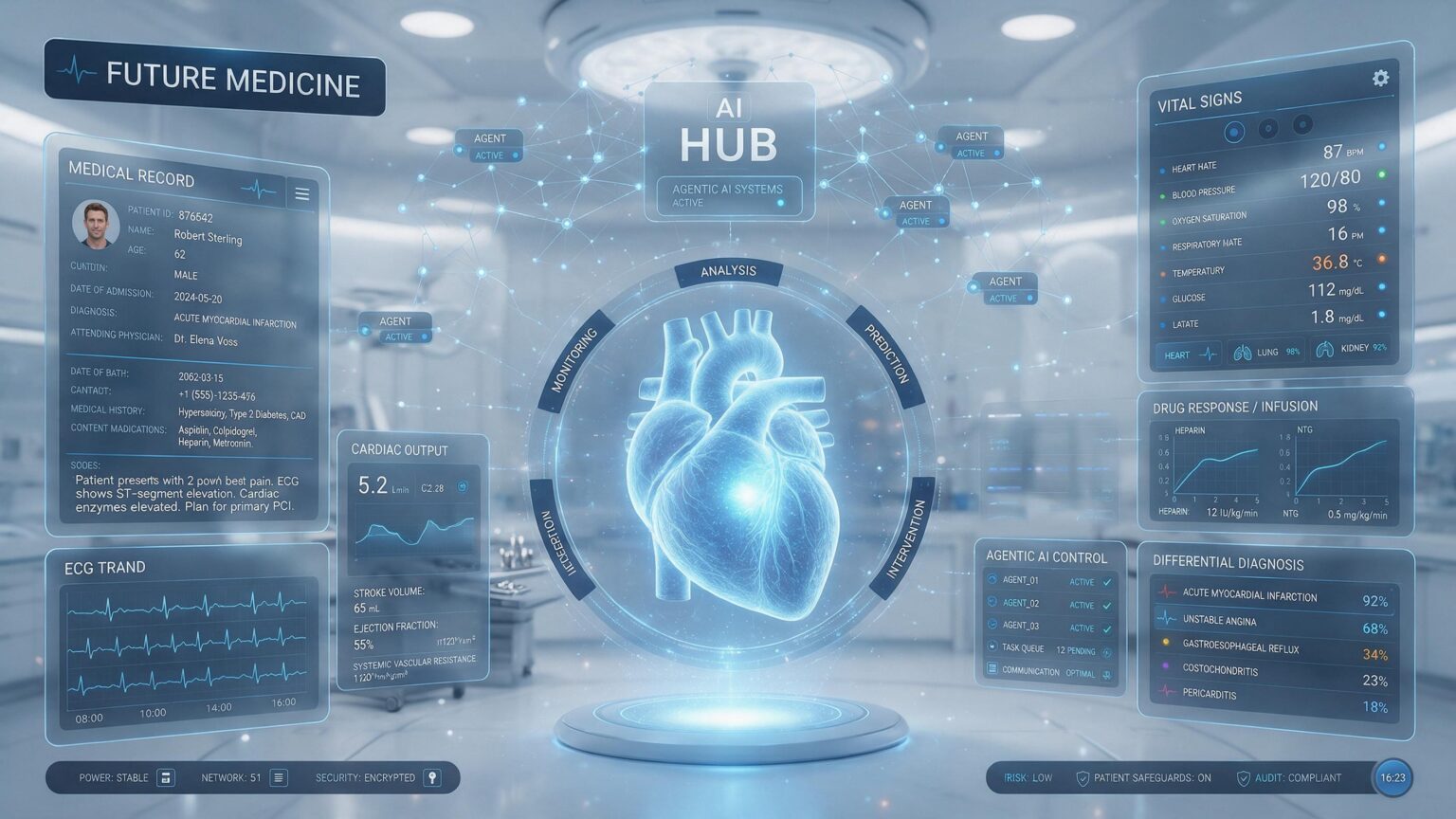
Artificial intelligence now runs enterprise healthcare operations. Clinical tools use AI to speed up work and guide decisions. Many hospitals have already bought advanced AI tools. But older EHR setups cannot support this software.
Legacy platforms fail to share structured data or connect with modern APIs. They hide the context that smart applications need. This technical gap forces healthcare leaders to act. Many organizations now evaluate an experienced EHR software development company.
They do this to successfully expand AI projects. Success depends on building an open, API-first EHR setup. The right data connection matters more than the specific AI model.
Why Older EHR Setups Block Enterprise AI
Healthcare leaders can easily find AI use cases. They struggle to run them in daily practice. Most enterprise EHR platforms use closed, single-block designs. These setups rely on custom, one-to-one data links. That old method worked for small data exchanges. It fails under the demands of AI.
Smart software needs constant data access. It requires structured records, medication histories, lab results, and schedules. Disconnected systems keep this data split into pieces. Then AI gives bad recommendations, even with a great model.
This problem changes executives’ spending priorities. Leaders look for upgrades that combine software engineering with open data systems. Many organizations reach this point. They recognize that an experienced EHR software development company contributes more than software delivery.
These partners bring deep knowledge in health architecture, open standards, cloud upgrades, and data security. Executives no longer want to replace entire EHR platforms. They want to rebuild the structure around them.
The New Design for AI-Ready EHR Platforms
Modern medical applications cannot work alone. Clinical tasks require constant communication between EHRs, labs, pharmacies, and patient monitors. Custom links cannot support these complex networks. Health systems need an API-first design.
Microservices, API gateways, and central data repositories now form the base of AI setups. These tools open up access to trusted clinical facts across the enterprise.
Upgrading these systems is hard work. Data sharing is the toughest technical hurdle. That is why many healthcare providers invest in specialized EHR EMR integration services that connect legacy infrastructure with modern AI-enabled platforms. They keep data secure and obey regulations. A smart design does not destroy old tools. It lets them talk through standard links.
FHIR as the Database for Enterprise AI
FHIR does more than share data now. It serves as the organized layer that feeds smart software. Old HL7 messages lacked structure. FHIR shares facts via standard formats. AI tools read these formats easily in any clinic.
Data models for patients, medications, and care plans give software a shared language. Tools like Bulk FHIR and CDS Hooks allow instant updates during clinical tasks. Structured data gives AI the proper context. Smart software stops searching ten different systems. It pulls organized data through tight APIs. This method cuts complexity and aids automation.
How Model Context Protocol Reshapes Healthcare AI
Large language models need accurate context to work well. Medical systems make this requirement hard to meet. Patient facts sit in scattered databases. Departments use different security rules. Doctors follow unique workflows.
Shoving all this data into text prompts fails. It compromises security and runs up costs. The Model Context Protocol solves this issue. It establishes a standard way for AI models to interact with databases and health tools.
AI agents no longer copy patient data into prompts. They pull approved data straight from core systems. The protocol respects user permissions. AI tools read lab results or book visits without breaking security rules. This protocol marks a major change for CIOs. Teams stop building custom links for every tool. They create repeatable context services for all corporate AI agents.
The Enterprise AI Architecture
Smart health systems organize their technology stack into clear layers.
| Enterprise Layer | Primary Technologies |
| Experience Layer | Clinician portals, patient applications, dashboards |
| Intelligence Layer | LLMs, clinical copilots, Agentic AI |
| Context Layer | Model Context Protocol, RAG, tool setup |
| Data Layer | FHIR R4, Bulk FHIR, CDS Hooks, USCDI |
| Integration Layer | HL7 v2, API Gateway, Event Bus, Service Bus |
| Security Layer | SMART on FHIR, OAuth 2.0, RBAC, Zero Trust |
This layered setup separates daily workflows from AI services. It protects corporate healthcare data. It supports new AI tools later. Teams do not have to rebuild their code for new models.
Agentic AI Beyond Copilots
Early healthcare AI only assisted doctors. Copilots wrote summaries and pulled quick records. They raised speed but stayed reactive.
Now, health leaders try a new path. Agentic AI uses software agents to plan tasks and open corporate tools. These agents gather context via MCP, use FHIR APIs, and finish long workflows under human supervision. This shifts the digital strategy for leaders. The goal is no longer just text generation. It is the safe control of workflows across the company.
Automating Clinical Documentation
Documentation is a ready use case for Agentic AI. It cuts paperwork. It leaves final clinical choices to doctors.
- Overview: Smart systems combine speech recognition, ambient data retrieval, and workflow tools. AI agents gather lab data, drug histories, and allergy lists. Then they write structured notes.
- The Problem: Doctors spend hours typing notes. Delays hurt coding accuracy and slow down payments. Disconnected applications force providers to click through many screens.
- Business Impact: Smart workflows reduce repetitive typing. Human oversight remains intact. Hospitals lower chart backlog and speed up the revenue cycle without hiring more staff.
- Enterprise Example: Imagine a health network with 25 hospitals. A patient visits a clinic. The AI agent retrieves drug data via FHIR APIs and monitors lab trends via MCP. It prepares the clinical note. The doctor reviews and signs the chart inside the EHR. Typing happens during the visit, not late at night.
Automating Care Coordination
Care coordination usually requires endless calls between doctors, specialists, and clerks. Modern medicine demands a tighter system.
- Overview: Agentic AI runs workflows across scheduling, referrals, and payer software. Agents track patient status. They suggest swift operational steps.
- The Problem: Patients move constantly between clinics, labs, and rehab centers. Records arrive late or go missing. Delays drive up costs and hurt the quality of care.
- Business Impact: Smart tools stop manual coordination, speed up visits, and deliver full patient files. Organizations pursuing these upgrades combine system modernizations with advanced EHR EMR integration services to support secure interoperability. These services link older databases with new AI tools.
- Enterprise Example: Imagine a regional cancer network with clinics, labs, and imaging centers. An AI agent tracks patient milestones. It pulls new pathology data via FHIR APIs. It books appointments and alerts the medical team. The doctors focus on treatment, not paperwork.
Predictive Population Health
Health groups recognize that AI must protect entire populations, not just individual patients.
- Overview: Population tools combine historical data, claims data, and home monitor data. They spot medical risks early. Agentic AI triggers active workflows instead of just printing static reports.
- The Problem: Old analytics show trends too late. Medical teams waste hours reading spreadsheets and manually calling patients.
- Business Impact: Agentic tools rank patients as high risk. The software suggests treatments, schedules checks, and tracks health outcomes. This creates proactive care and balances staffing.
- Enterprise Example: An accountable care group manages 1,000,000 lives. AI agents monitor disease progression, medication adherence, and wearable data. The system flags passed thresholds. It triggers patient outreach and schedules telehealth visits. The group shifts from reactive fixes to proactive health.
Trust Over Model Accuracy
Executives know that accurate models do not guarantee safe corporate systems. Governance determines whether AI becomes a trusted tool or a legal risk.
Hospitals must write strict rules for validation, prompt audits, and human approval paths. These rules align with federal requirements such as HIPAA, TEFCA, and ONC HTI-1. They rely on Zero Trust setups, role-based access, and strict logs.
Model speed matters. Operational trust matters more for long-term use. Forward-thinking groups build LLMOps teams. These teams monitor model drift, check hallucination risks, and confirm safety paths before patient care.
Building vs. Partnering
Many health groups have strong internal development teams. Few teams hold great skills in FHIR, MCP setups, AI rules, and clinical paths all at once. Creating these mixed teams demands high capital. Maintaining them grows harder as standards change.
This reality shifts buying plans. Executives look past basic vendors. They want implementation partners to upgrade systems for long-term AI use. An experienced EHR software development company contributes architectural expertise spanning API-first modernization. They bring skills in cloud engineering, open standards, and security setups.
Large upgrades demand extra support. Top groups complement these projects with specialized EHR/EMR integration services that connect existing clinical infrastructure to emerging AI capabilities. These services ensure compliance and support daily hospital operations.
A Checklist for Healthcare CIOs
Leaders must look ahead ten years. Do not focus on just one budget cycle. Evaluate your technical setup against these core needs:
- FHIR setup and API plans
- SMART on FHIR and OAuth 2.0 readiness
- Model Context Protocol support
- Agent orchestration tools
- AI rules and LLMOps setups
- Enterprise data-sharing design
- Identity tracking and Zero Trust security
- Growth capacity across multiple hospital regions
Addressing these fields early cuts deployment risks. It builds a strong base for future updates.
Final Perspective
Healthcare enters a fresh design era. Artificial intelligence will advance. Still, long-term value depends on the underlying infrastructure, not the models alone.
FHIR APIs serve as the operational data layer. The Model Context Protocol creates safe paths for sharing context. Agentic AI spreads automation across enterprise workflows. These technologies reshape how hospitals build smart digital systems.
CIOs must map out long-term updates. Selecting an experienced EHR software development company is becoming less about replacing existing platforms. It focuses on building an AI-ready foundation to support open data, safety rules, and smart clinical tools for years to come.
