
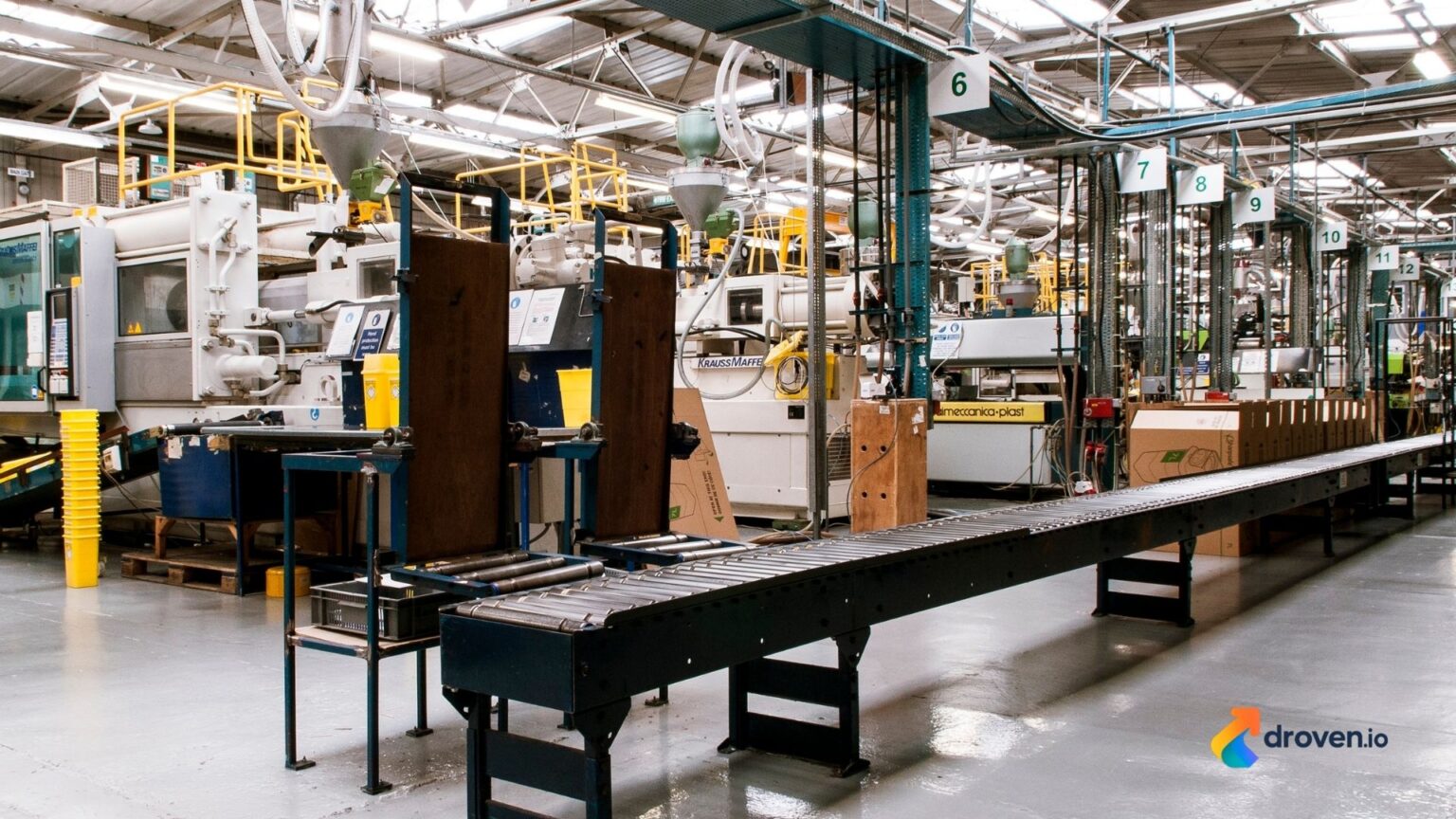
Electrical power distribution systems depend on precision-manufactured components to ensure reliable performance and safe operation. One of the most important pieces of equipment in electrical panel manufacturing is the busbar machine. Designed to cut, bend, punch, and process copper or aluminum busbars, these machines help manufacturers produce accurate components while improving productivity and reducing manual labor.
From switchgear manufacturers to transformer production facilities, busbar machines play a key role in creating high-quality electrical distribution systems. This guide explains how busbar machines work, the different types available, their applications, maintenance requirements, and important factors to consider before purchasing one.
What Is a Busbar Machine?
A busbar processing equipment is industrial equipment designed to process metal busbars used in electrical power distribution. These machines perform operations such as cutting, punching, bending, embossing, and notching to prepare busbars for installation in electrical systems.
Depending on the model, a busbar machine may support:
- Copper busbar processing
- Aluminum busbar processing
- Precision cutting
- Hole punching
- Angle bending
- Multi-function operations
Modern machines may also include CNC technology and programmable controls for increased accuracy and repeatability.
Why Busbar Machines Are Important
Manual busbar fabrication can be time-consuming and may increase the likelihood of measurement errors.
Busbar machines help manufacturers achieve:
- Higher production efficiency
- Consistent accuracy
- Reduced material waste
- Improved workplace safety
- Faster production cycles
- Better product quality
These advantages make them valuable in both small workshops and large-scale manufacturing facilities.
Types of Busbar Machine
Hydraulic Busbar Machine
Hydraulic machines use hydraulic pressure to perform cutting, punching, and bending operations.
Advantages include:
- High processing force
- Stable operation
- Suitable for heavy-duty applications
- Reliable performance
These machines are commonly used in industrial production environments.
CNC Busbar Machine
Computer Numerical Control (CNC) busbar machines automate processing through programmable software.
Key features may include:
- Automated positioning
- High precision
- Repeatable production
- Complex processing capabilities
CNC systems are often preferred for high-volume manufacturing.
Portable Busbar Machine
Portable machines are designed for on-site electrical work and field installations.
They are generally:
- Lightweight
- Easy to transport
- Suitable for maintenance projects
- Convenient for smaller production tasks
Multi-Function Busbar Machine
Some machines combine multiple operations into a single unit.
Common functions include:
- Cutting
- Punching
- Bending
Multi-function machines can help reduce floor space requirements while improving workflow efficiency.
How a Busbar Machine Works
A typical busbar processing workflow includes several stages.
Cutting
The machine cuts busbars to precise lengths according to engineering specifications.
Accurate cutting helps reduce waste and improves assembly quality.
Punching
Punching creates mounting holes required for electrical connections.
Modern machines can produce multiple hole sizes with high precision.
Bending
The bending function shapes busbars to meet installation requirements.
Accurate bending is important for proper alignment within electrical panels.
Additional Processing
Depending on the equipment, additional operations may include:
- Embossing
- Chamfering
- Notching
- Marking
Available functions vary by machine model.
Applications of Busbar Machine
Electrical Panel Manufacturing
Electrical fabrication machinery is widely used in the production of:
- Control panels
- Distribution boards
- Switchboards
- Power distribution cabinets
Precision fabrication supports efficient electrical assembly.
Switchgear Production
Manufacturers use busbar machines to prepare conductors for low-voltage and medium-voltage switchgear systems.
Transformer Manufacturing
Busbars are commonly used within transformer assemblies to distribute electrical current.
Accurate processing helps ensure proper fit and reliable electrical performance.
Renewable Energy Systems
Busbars are also used in:
- Solar power systems
- Wind energy installations
- Battery energy storage systems
As renewable energy infrastructure expands, demand for precision busbar fabrication continues to grow.
Benefits of Using a Busbar Machine
Increased Productivity
Automation reduces manual work and speeds up production.
This can help manufacturers meet larger production demands more efficiently.
Improved Accuracy
Precision machining supports consistent dimensions and repeatable manufacturing processes.
Reduced Material Waste
Accurate cutting and processing help minimize scrap material, improving cost efficiency.
Enhanced Workplace Safety
Automated equipment can reduce manual handling during certain fabrication tasks, contributing to safer manufacturing environments when operated according to safety guidelines.
Factors to Consider Before Buying a Busbar Machine
Production Volume
Determine whether the machine matches your expected production requirements.
High-volume facilities may benefit from CNC automation, while smaller workshops may prefer compact or multi-function machines.
Material Compatibility
Verify that the machine supports the busbar materials and dimensions used in your manufacturing process.
Processing Functions
Consider whether you require:
- Cutting
- Punching
- Bending
- Marking
- Embossing
Choosing equipment with the right capabilities can improve workflow efficiency.
Automation Level
Businesses should evaluate whether manual, semi-automatic, or fully automated systems best meet their operational needs.
After-Sales Support
When selecting equipment, consider:
- Technical support
- Spare parts availability
- Maintenance services
- Operator training
- Warranty terms
Reliable support can reduce downtime over the equipment’s lifecycle.
Busbar Machine Maintenance
Regular maintenance helps maintain performance and extend machine life.
Recommended practices include:
- Cleaning the machine after use
- Inspecting hydraulic systems where applicable
- Lubricating moving components
- Checking tooling for wear
- Verifying alignment and calibration
- Following the manufacturer’s maintenance schedule
Preventive maintenance can reduce unexpected equipment failures.
Safety Guidelines
Operators should follow established workplace safety procedures.
Important practices include:
- Wearing appropriate personal protective equipment (PPE)
- Receiving proper operator training
- Inspecting the machine before operation
- Following manufacturer instructions
- Keeping work areas clean
- Disconnecting power before maintenance
Safety requirements may vary depending on the machine and workplace regulations.
Future Trends in Busbar Machine Technology
Advances in manufacturing continue to influence busbar processing equipment.
Emerging developments include:
- Greater CNC automation
- Smart manufacturing integration
- Digital monitoring systems
- Improved energy efficiency
- Enhanced production accuracy
- Industry 4.0 connectivity
Manufacturers may adopt these technologies to improve operational efficiency and production quality.
Frequently Asked Questions
1. What is a busbar machine?
A busbar machine is industrial equipment used to cut, punch, bend, and process copper or aluminum busbars for electrical power distribution systems.
2. What industries use busbar machines?
Busbar machines are commonly used in electrical panel manufacturing, switchgear production, transformer manufacturing, renewable energy, and industrial electrical equipment production.
3. What materials can a busbar machine process?
Many machines are designed to process copper and aluminum busbars, although supported materials and dimensions vary by model.
4. What is the difference between hydraulic and CNC busbar machines?
Hydraulic machines use hydraulic force for processing, while CNC machines use computer-controlled automation for higher precision and repeatability.
5. How often should a busbar machine be maintained?
Maintenance intervals depend on usage and the manufacturer’s recommendations. Regular cleaning, inspection, lubrication, and preventive servicing are generally recommended.
6. How do I choose the right busbar machine?
Consider production volume, material compatibility, required processing functions, automation level, maintenance requirements, and available technical support before making a purchase.
Conclusion
A busbar machine is an essential investment for manufacturers involved in electrical power distribution, switchgear production, and industrial panel fabrication. By combining precision cutting, punching, and bending capabilities, these machines help improve productivity, reduce material waste, and support consistent manufacturing quality. Whether you operate a small fabrication workshop or a large-scale production facility, selecting the right busbar machine based on your production needs, material requirements, and automation preferences can contribute to more efficient operations and reliable electrical components over the long term.
