
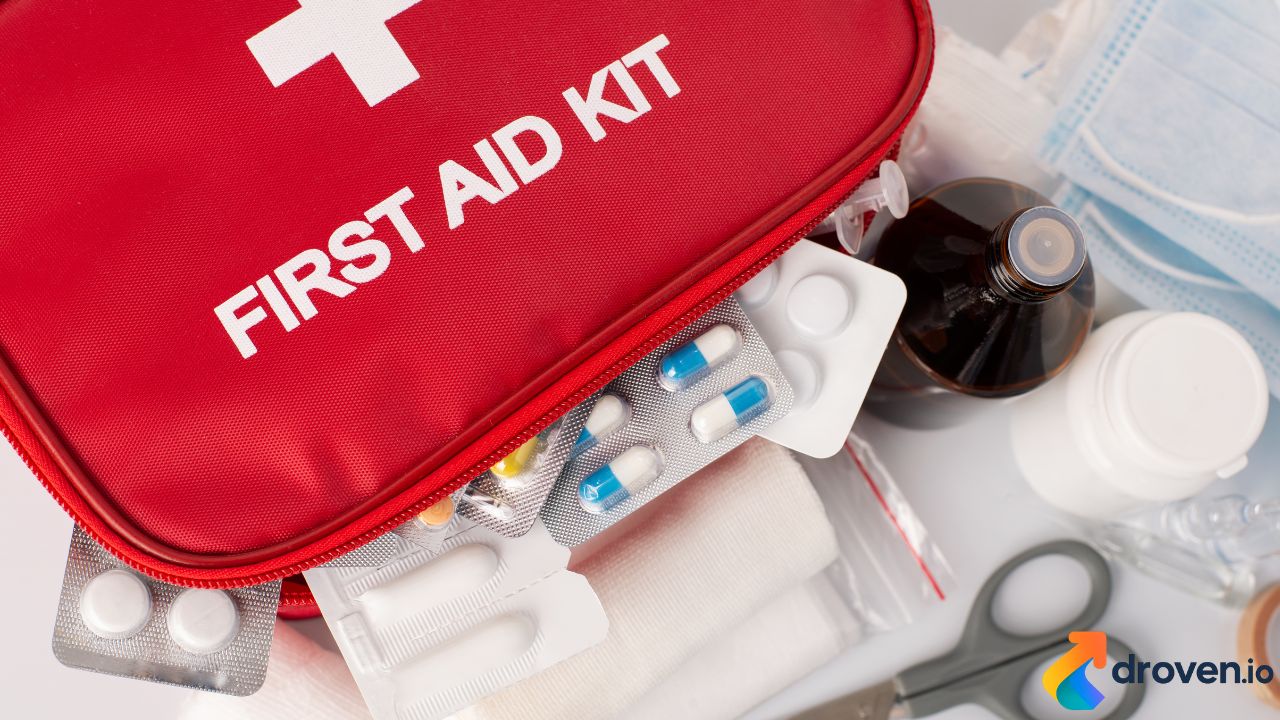
When planning an outdoor adventure, one item should always be on your packing checklist: camping first aid kits. These kits provide essential medical supplies that help treat minor injuries, manage health issues, and stabilize emergencies while you’re far from medical facilities. Whether you are camping in the mountains, forests, or national parks, having a properly stocked first aid kit ensures that you are prepared for unexpected situations.
Outdoor activities expose campers to risks such as cuts, burns, insect bites, sprains, dehydration, and allergic reactions. A well-prepared first aid kit allows you to quickly treat these problems before they become serious. Since emergency medical services may be far away in wilderness environments, immediate treatment with the right supplies is critical.
Why Camping First Aid Kits Are Important
Camping takes you away from the convenience of nearby hospitals and pharmacies. Even small injuries can become serious if they are not treated quickly or properly.
First aid kits help campers handle common outdoor injuries such as:
- Cuts and scrapes
- Burns from campfires or cooking
- Insect bites and stings
- Sprains and strains
- Blisters from hiking
- Mild allergic reactions
Having these supplies available reduces the risk of infection and helps stabilize injuries until professional medical help is available.
Essential Items in Camping First Aid Kits
A well-stocked camping first aid kit should include several categories of supplies. These items help address different types of injuries and medical situations.
Wound Care Supplies
Cuts and abrasions are among the most common camping injuries. Essential wound care items include:
- Adhesive bandages in multiple sizes
- Sterile gauze pads and rolls
- Medical tape
- Antiseptic wipes or solution
- Antibiotic ointment
These supplies help clean wounds, stop bleeding, and prevent infections in outdoor environments.
Medications and Treatments
Camping first aid kits should also include medications for common health issues:
- Pain relievers such as ibuprofen or acetaminophen
- Antihistamines for allergic reactions
- Anti-diarrheal medication
- Eye drops
- Oral rehydration salts
Including basic medications ensures that minor illnesses or discomforts can be managed while camping.
Emergency Tools and Equipment
In addition to bandages and medications, camping kits should contain tools that help provide effective treatment.
Important tools include:
- Tweezers for removing splinters or ticks
- Medical scissors
- Disposable gloves
- CPR mask or face shield
- Thermometer
- Emergency blanket
These tools assist in safely administering care and protecting both the injured person and the caregiver.
Specialized Items for Wilderness Trips
For longer camping trips or remote wilderness adventures, additional supplies may be necessary.
Advanced camping first aid kits may include:
- Elastic wrap bandages for sprains
- Splints for stabilizing fractures
- Burn treatment gel
- Instant cold packs
- Sterile saline solution
- CPR barrier mask
These items provide extra preparedness when medical help may be hours away.
Choosing the Right Camping First Aid Kit
Selecting the right kit depends on several factors related to your camping trip.
Group Size
Larger groups require larger kits with additional bandages, medications, and emergency supplies.
Trip Duration
Longer trips increase the likelihood of injuries or illness. Ensure your kit contains enough supplies for the entire duration.
Activity Type
Different outdoor activities may require additional items. For example:
- Hiking trips may require blister treatments and ankle wraps.
- Remote wilderness trips may require splints and trauma supplies.
- Family camping trips may require child-friendly medications.
Adapting your first aid kit to your trip ensures you are properly prepared for potential risks.
Tips for Organizing Your Camping First Aid Kit
Proper organization helps ensure that supplies are easy to find during emergencies.
Helpful organization tips include:
- Use waterproof containers to protect supplies.
- Label medication clearly.
- Keep frequently used items easily accessible.
- Check expiration dates before each trip.
- Replace used or expired items immediately.
Maintaining an organized kit allows for quick and effective response during emergencies.
Maintaining and Updating Your First Aid Kit
First aid kits should be inspected before every camping trip. Over time, medications may expire and supplies may run out.
Regular maintenance includes:
- Replacing expired medications
- Restocking used bandages and gauze
- Inspecting tools for damage
- Updating the kit for different environments or seasons
Keeping your kit updated ensures it remains reliable when you need it most.
Camping Safety Beyond First Aid Kits
While first aid kits are essential, they are only part of a complete outdoor safety plan. Campers should also carry emergency communication devices, maps, proper clothing, and survival equipment.
Taking a wilderness first aid course can also help campers learn how to properly use medical supplies in emergency situations.
Preparation and knowledge together create a safer camping experience for everyone involved.
FAQs
What should be included in camping first aid kits?
Camping first aid kits should include bandages, gauze, antiseptic wipes, medications, tweezers, scissors, gloves, and emergency supplies like blankets or splints.
Why are camping first aid kits important?
They allow campers to treat injuries and illnesses immediately when medical help is not nearby.
How big should a camping first aid kit be?
The size depends on the number of campers and the length of the trip. Larger groups and longer trips require more supplies.
Should camping first aid kits include medications?
Yes. Basic medications such as pain relievers, antihistamines, and anti-diarrheal treatments are commonly included.
How often should a camping first aid kit be checked?
First aid kits should be checked before every camping trip to ensure supplies are complete and medications have not expired.
