

Think about the last time you chatted with a company’s website bot. You probably typed your name, maybe your phone number, and explained your problem. Did you wonder where that chat went afterwards? Most people don’t. But under India’s DPDP Act, businesses have to.
So can chatbots and automation tools follow the law? Yes, they can. But you have to set them up properly. Let’s break it down.
Why These Tools Create Privacy Trouble
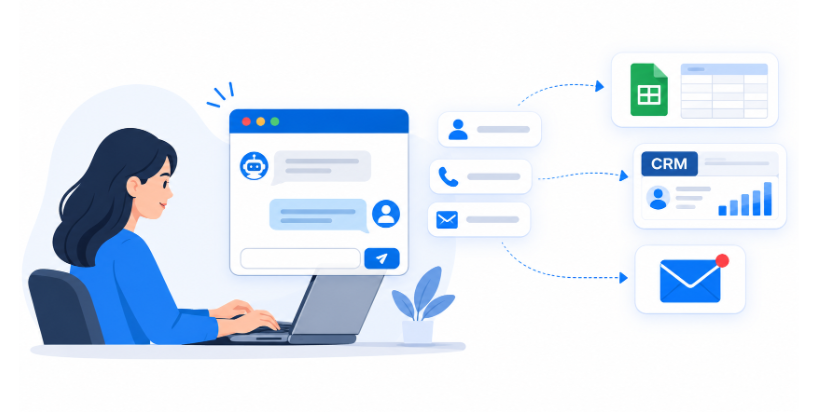
Chatbots are friendly, so people overshare. A customer asking about a refund might drop their address, order number and bank details without a second thought.
Automation tools have a different problem. Say someone fills in a contact form. That one action might add them to a spreadsheet, send an email, ping your sales team and update your CRM. Now their data sits in four places, and nobody remembers setting it all up.
Here’s what usually goes wrong:
- The bot asks for more details than it needs
- Chat history stays on a vendor’s server forever
- Data gets passed to other apps without anyone keeping track
- There’s no proof the customer ever said “yes” to anything
What the DPDP Act Wants From You
The law calls your business a “Data Fiduciary.” That’s just a fancy way of saying you decide what happens to people’s data. And here’s the catch: using a third-party AI tool doesn’t make you less responsible. If the tool slips up, it’s still on you.
In simple terms, you need to:
- Tell people what you’re collecting and why, before you collect it
- Get clear consent. No pre-ticked boxes and no confusing wording
- Use data only for the reason you gave. If someone shared their email for order updates, you can’t suddenly use it for ads
- Collect only what you need, and delete it when you’re done
- Keep data safe from leaks
- Report breaches to the Data Protection Board and the people affected
- Let people see, fix or delete their data, and give them a way to complain
The fines aren’t small. If you fail to keep data secure, the penalty can go up to ₹250 crore.
Common Chatbot Mistakes
The bot starts talking before asking permission
Many bots greet you and start asking questions right away. If you type your phone number in the first message, the business has already collected your data without telling you anything. The fix is easy. Show a short notice and ask for a “yes” before the chat starts.
Chats are used to train the AI
Some AI tools learn from the conversations they have. If your customers never agreed to that, you’re using their data for something they didn’t sign up for. Look at your tool’s settings and turn this off where you can.
Kids end up chatting with your bot
The Act says you need a parent’s verified consent before using a child’s data. Anyone under 18 counts as a child. It also doesn’t allow tracking children or showing them targeted ads. A chatbot can’t tell if a 15-year-old is typing, so think about how you’ll handle that.
Nobody can delete the data
Imagine a customer writes, “Please delete my data.” Can you actually do it? You’d have to remove it from the chatbot, the CRM, the email tool, the spreadsheet and the backups. If you don’t know where the data went, you’re stuck.
Common Automation Mistakes
Automation rarely breaks rules on purpose. It just moves data around faster than anyone can follow.
- Old workflows keep running long after the project ended
- Too many people on the team can see customer data
- A vendor abroad handles your data, and there’s no written agreement
- Nobody knows which tool holds which data
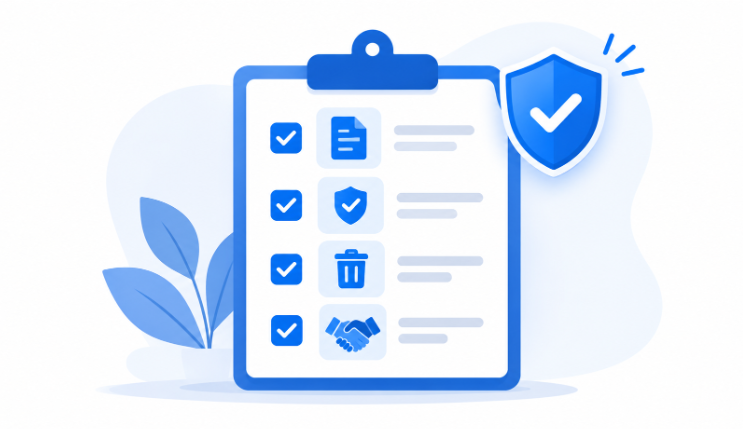
A Simple Checklist You Can Follow
You don’t have to give up these tools. Just do this:
- List everything. Write down every bot and automation you use and what data each one touches.
- Add a notice and consent box at the start of every chat or form.
- Cut the extra questions. If you don’t need it, don’t ask for it.
- Set a deletion timer. For example, wipe chat logs after 90 days if you don’t need them.
- Check your vendors. Ask where they store data and who can see it. Get an agreement in writing.
- Limit who has access. Your intern probably doesn’t need to see every customer chat.
- Practise a deletion request. Pick a test customer and see if you can erase their data everywhere.
- Plan for a breach. Decide now who will report it and how.
- Review every few months. Tools change their settings and policies often.
When a Spreadsheet Isn’t Enough
When you have one or two tools, a spreadsheet works fine. But once you have several bots, dozens of workflows and thousands of customers, it gets messy fast. That’s where a DPDP Compliance Platform can help. It keeps your consent records, data maps and customer requests in one place, so you’re not digging through ten different apps when someone asks for proof.
Whether you use a platform or do it by hand, the goal is the same. Know where your data is, control who uses it, and be able to show what you did.
Final Thoughts
The DPDP Act doesn’t say you can’t use AI. It just says you have to treat people’s data with respect. Ask permission, take only what you need, keep it safe, and delete it when you’re done.
If this feels like a lot, start small. Pick one chatbot, fix its notice and consent, and move on to the next. Every tool you tidy up makes your business safer, and your customers will notice.
