
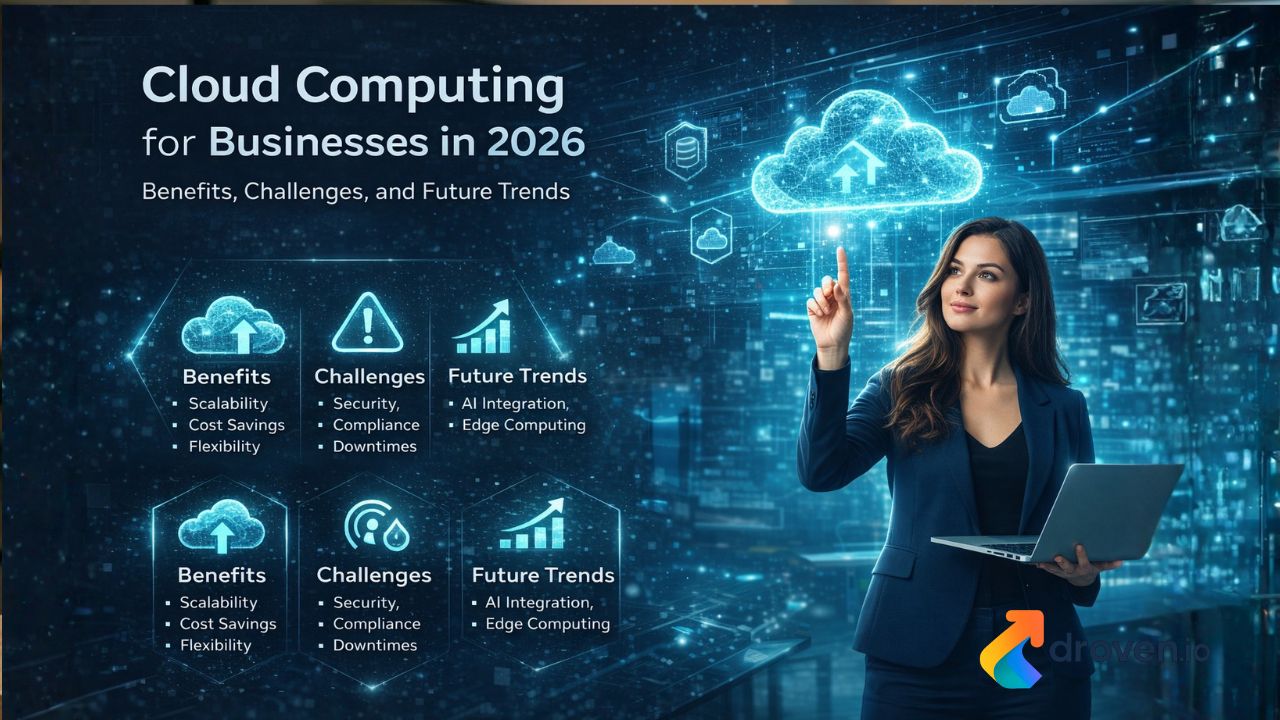
Cloud computing has become one of the most important technologies shaping modern business. From startups to global enterprises, companies now rely on cloud platforms to store data, run applications, improve collaboration, and scale operations faster than ever before.
In 2026, cloud computing is no longer just a technical upgrade. It is a business strategy. Organizations use cloud services to reduce infrastructure costs, increase flexibility, and speed up digital transformation. Whether a company is building a new app, managing customer data, or enabling remote teams, the cloud plays a central role.
If you are exploring digital innovation, cloud technology is one of the most practical and impactful areas to understand.
What Is Cloud Computing?
Cloud computing refers to the delivery of computing services over the internet. These services can include servers, storage, databases, networking, analytics, and software. Instead of buying and maintaining physical infrastructure, businesses can access these resources on demand from cloud providers.
The biggest advantage is simplicity. Businesses only pay for what they use and can expand or reduce capacity as needed. This makes cloud computing ideal for companies that want speed, efficiency, and scalability.
Major cloud providers such as Amazon Web Services (AWS), Microsoft Azure, and Google Cloud continue to dominate the market because they offer flexible tools for businesses of all sizes.
Why Cloud Computing Matters in 2026
The business landscape has changed rapidly. Remote work, AI-powered systems, digital customer experiences, and real-time analytics all require flexible and reliable infrastructure. Cloud computing supports these needs better than traditional on-premise systems.
Here are some reasons cloud computing matters more than ever:
1. Scalability
Businesses can scale resources up or down depending on traffic, demand, or growth. This is especially important for eCommerce stores, SaaS companies, and digital platforms.
2. Cost Efficiency
Cloud computing reduces the need for expensive physical servers, maintenance teams, and hardware upgrades. Companies can move from large capital expenses to more manageable operational costs.
3. Faster Innovation
Development teams can launch products faster using cloud-native tools, DevOps workflows, and managed services.
4. Better Collaboration
Cloud-based systems allow employees to access data and applications from anywhere, improving teamwork and productivity.
5. Stronger Business Continuity
With cloud backups, disaster recovery, and distributed systems, businesses are better prepared for outages and disruptions.
Key Benefits of Cloud Computing for Businesses
Cloud computing provides more than just storage space. It changes how businesses operate.
Improved Flexibility
Companies can test new products, launch services, and enter new markets without heavy infrastructure investment.
Enhanced Security Features
Top cloud providers invest heavily in security, encryption, identity management, and compliance frameworks. While no system is risk-free, many businesses find the cloud more secure than outdated local systems.
Access to Advanced Technologies
Cloud platforms make it easier to use AI, machine learning, big data analytics, and automation tools without building everything from scratch.
Automatic Updates
Cloud services are regularly updated by providers, reducing the burden on internal IT teams.
Global Reach
A business can deploy websites and applications closer to users in different regions, improving speed and customer experience.
Types of Cloud Computing Models
Understanding cloud models helps businesses choose the right setup.
Public Cloud
Resources are hosted by third-party providers and shared across customers. This is the most common and cost-effective model.
Private Cloud
Infrastructure is dedicated to one organization. It offers more control and is often used in industries with strict compliance requirements.
Hybrid Cloud
A mix of public and private cloud environments. This model allows businesses to keep sensitive workloads private while using public cloud resources for flexibility.
Multi-Cloud
Some companies use more than one provider, such as AWS for storage and Azure for enterprise apps. This can reduce vendor dependency and improve resilience.
Common Business Use Cases for Cloud Computing
Cloud computing can support almost every department in a modern business.
- Website and app hosting
- Customer relationship management
- File storage and backup
- Collaboration platforms
- Data analytics and dashboards
- Software development and testing
- AI and machine learning applications
- Cybersecurity monitoring and threat detection
For many organizations, the move to the cloud begins with simple storage or hosting, then expands into broader digital transformation.
Challenges of Cloud Adoption
While the advantages are strong, cloud adoption also comes with challenges.
Migration Complexity
Moving systems from legacy environments to the cloud takes planning, time, and technical expertise.
Cost Control
Although cloud can reduce costs, poor resource management can lead to unexpected bills. Businesses need proper monitoring and optimization.
Security Misconfiguration
Cloud providers secure the platform, but companies still need to manage access permissions, settings, and user behavior correctly.
Compliance Requirements
Industries such as healthcare, finance, and government may face strict rules around where data is stored and who can access it.
Skills Gap
Businesses often need employees or partners with cloud architecture, cybersecurity, and DevOps experience.
AWS vs Azure vs Google Cloud
When businesses compare providers, the choice usually depends on goals and existing systems.
AWS
AWS is known for its wide range of services, mature ecosystem, and strong support for startups, developers, and enterprise workloads.
Microsoft Azure
Azure is popular among businesses already using Microsoft products like Windows Server, Microsoft 365, and enterprise tools.
Google Cloud
Google Cloud is often praised for data analytics, AI, Kubernetes, and developer-friendly infrastructure.
There is no single best provider for every company. The best choice depends on budget, technical needs, compliance requirements, and growth plans.
Cloud Computing Trends to Watch in 2026
Cloud computing continues to evolve quickly. These trends are especially important in 2026:
1. AI-Powered Cloud Services
Cloud providers are integrating AI into infrastructure management, analytics, security, and customer-facing applications.
2. Edge Computing Growth
Businesses increasingly process data closer to the source, especially in IoT, manufacturing, retail, and real-time systems.
3. Serverless Computing
More companies are adopting serverless models to reduce infrastructure management and pay only for actual execution.
4. Sustainable Cloud Infrastructure
Green computing and energy-efficient data centers are becoming more important for enterprises focused on sustainability.
5. Stronger Cloud Security and Zero Trust
As cyber threats grow, businesses are investing in zero trust architecture, identity controls, and continuous monitoring.
6. Industry-Specific Cloud Solutions
Providers are creating specialized cloud environments for healthcare, finance, logistics, media, and government.
How Small Businesses Can Start with Cloud Computing
Small businesses do not need a massive migration plan to benefit from the cloud. A smart approach is to begin with a few high-impact areas:
- Move file storage and backup to the cloud
- Use cloud-based collaboration tools
- Host websites or online stores on scalable platforms
- Implement basic cloud security practices
- Monitor usage and costs regularly
This phased approach helps businesses reduce risk while building experience.
The Future of Cloud Computing
The future of cloud computing is closely tied to AI, automation, cybersecurity, and data-driven decision-making. Businesses that adopt cloud technology strategically will be better positioned to innovate, adapt, and compete in the digital economy.
Cloud is not just about technology infrastructure anymore. It is about business agility. It helps companies respond faster to change, support distributed teams, and create better digital experiences for customers.
As the technology matures, businesses that understand cloud fundamentals today will gain a major advantage tomorrow.
Final Thoughts
Cloud computing is one of the core pillars of modern digital transformation. It enables businesses to scale faster, operate more efficiently, and stay competitive in a fast-changing market.
For startups, SMEs, and enterprise organizations alike, cloud technology offers the flexibility needed to build smarter operations in 2026 and beyond.
If your business is investing in innovation, cybersecurity, analytics, or AI, cloud computing should be part of the conversation from the start.
