
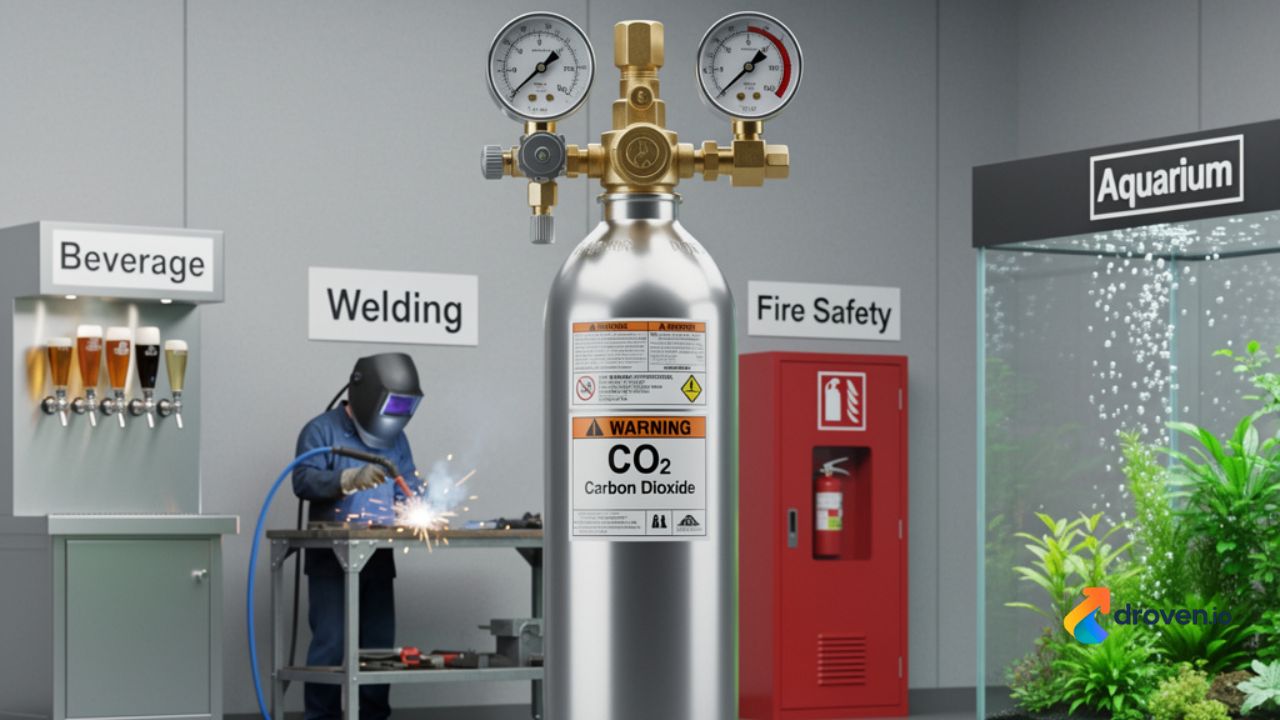
A CO2 Cylinder is an essential piece of equipment used across numerous industries to store and transport compressed carbon dioxide gas safely. From beverage dispensing and fire suppression systems to welding, medical applications, aquariums, and industrial manufacturing, CO2 cylinders provide a reliable source of carbon dioxide for a wide variety of purposes. Understanding how these cylinders work, how to use them safely, and how to choose the appropriate size and type can help ensure efficient operation while minimizing potential risks.
What Is a CO2 Cylinder?
A CO2 cylinder is a specially designed pressure vessel used to store carbon dioxide gas in a compressed and, under typical storage conditions, partially liquefied state. The cylinder is manufactured to withstand high internal pressure and is fitted with a valve that controls the release of the gas.
CO2 cylinders are available in multiple sizes and capacities to accommodate different applications, ranging from small portable cylinders to large industrial tanks.
How a CO2 Cylinder Works
Carbon dioxide inside the cylinder exists as both liquid and gas under pressure. When the valve is opened, pressure decreases, allowing carbon dioxide gas to flow through a regulator to the connected equipment.
A pressure regulator controls the gas flow and pressure according to the specific requirements of the application.
As gas leaves the cylinder, additional liquid carbon dioxide evaporates to maintain pressure until most of the liquid has been used.
Common Uses of CO2 Cylinders
CO2 cylinders serve many industries because carbon dioxide has numerous practical applications.
Common uses include:
- Beverage carbonation
- Draft beer dispensing
- Welding and metal fabrication
- Fire suppression systems
- Greenhouse plant cultivation
- Aquariums
- Food packaging
- Laboratory research
- Medical applications where appropriate
- Industrial manufacturing
The specific cylinder size and regulator vary depending on the intended use.
Types of CO2 Cylinders
Aluminum CO2 Cylinders
Aluminum cylinders are lightweight, corrosion-resistant, and commonly used in beverage systems, aquariums, and portable applications.
Steel CO2 Cylinders
Steel cylinders offer excellent durability and are frequently used in industrial environments where rugged construction is important.
Food-Grade CO2 Cylinders
These cylinders contain carbon dioxide suitable for approved food and beverage applications. Users should verify that the gas meets applicable standards for the intended use.
Industrial CO2 Cylinders
Industrial cylinders are used in manufacturing, welding, and other commercial processes where carbon dioxide supports production activities.
Benefits of Using CO2 Cylinders
Reliable Gas Supply
CO2 cylinders provide a dependable source of carbon dioxide for continuous operation across various applications.
Portable Storage
Many cylinder sizes are designed for convenient transportation while maintaining high storage capacity.
Cost-Effective Solution
Refillable cylinders can be used repeatedly, making them a practical option for businesses and individuals with ongoing carbon dioxide requirements.
Wide Range of Applications
CO2 cylinders are compatible with numerous industries and specialized systems, making them highly versatile.
Choosing the Right CO2 Cylinder
Selecting an appropriate cylinder depends on several factors.
Consider:
- Intended application
- Required gas volume
- Cylinder size
- Material (steel or aluminum)
- Operating pressure
- Regulator compatibility
- Portability needs
- Refill availability
Consulting with a qualified supplier can help ensure compatibility with your equipment.
CO2 Cylinder Sizes
CO2 cylinders are available in a variety of capacities.
Common sizes include:
- Small portable cylinders
- Medium-capacity commercial cylinders
- Large industrial cylinders
The best choice depends on expected gas consumption and available storage space.
Safe Handling Practices
Because CO2 is stored under high pressure, proper handling is essential.
Recommended safety practices include:
- Store cylinders in an upright position.
- Secure cylinders to prevent tipping.
- Keep protective valve caps in place during transport when applicable.
- Avoid dropping or striking cylinders.
- Use approved regulators and fittings.
- Keep cylinders away from excessive heat.
- Follow manufacturer and supplier safety instructions.
Proper handling helps reduce the risk of equipment damage or accidental gas release.
Proper Storage Guidelines
Safe storage extends cylinder life and promotes workplace safety.
Storage recommendations include:
- Keep cylinders in well-ventilated areas.
- Protect from direct sunlight and excessive temperatures.
- Store away from combustible materials where required by applicable safety guidance.
- Secure cylinders to prevent movement.
- Inspect storage areas regularly.
Ventilation is especially important because carbon dioxide can displace oxygen in enclosed spaces if released.
Maintenance and Inspection
Routine inspection helps ensure safe operation.
Regular maintenance includes:
- Checking for corrosion or physical damage.
- Inspecting valves for leaks.
- Verifying regulator condition.
- Reviewing hydrostatic test dates where required.
- Cleaning external surfaces.
- Replacing damaged components through qualified service providers.
Cylinders should only be serviced by trained professionals following applicable regulations.
Refilling a CO2 Cylinder
When a cylinder becomes empty, it should be refilled only by qualified gas suppliers using approved equipment and procedures.
The refill process generally includes:
- Cylinder inspection
- Pressure testing when required
- Filling with carbon dioxide
- Leak testing
- Safety verification
Users should never attempt to refill high-pressure cylinders without appropriate training and equipment.
Environmental Considerations
Carbon dioxide plays an important role in many industrial and commercial processes. Responsible handling, proper storage, and efficient use help reduce unnecessary gas loss.
Businesses should also follow applicable environmental and safety regulations governing compressed gas storage and transportation.
Common Safety Risks
While CO2 cylinders are generally safe when handled properly, potential hazards include:
- High-pressure gas release
- Frostbite from rapidly expanding gas
- Oxygen displacement in poorly ventilated areas
- Physical injury from unsecured cylinders
- Equipment damage from incorrect regulators
Following manufacturer instructions and workplace safety procedures significantly reduces these risks.
Future Developments in CO2 Cylinder Technology
Advancements in compressed gas technology continue to improve cylinder performance and safety.
Emerging developments include:
- Lighter composite materials
- Improved valve technology
- Enhanced pressure monitoring
- Smart cylinder tracking
- Better corrosion resistance
- Digital inventory management
These innovations aim to improve operational efficiency while supporting safer gas storage and transportation.
FAQs
What is a CO2 cylinder used for?
CO2 cylinders are used for beverage carbonation, welding, fire suppression, aquariums, greenhouse cultivation, food processing, laboratories, and various industrial applications.
Are CO2 cylinders refillable?
Yes. Most CO2 cylinders are designed to be refilled by qualified gas suppliers following appropriate inspection and safety procedures.
How should a CO2 cylinder be stored?
CO2 cylinders should be stored upright, secured to prevent tipping, kept in a well-ventilated area, and protected from excessive heat and physical damage.
How do I know when a CO2 cylinder is empty?
Many users monitor cylinder weight or observe pressure behavior during use. Because pressure alone may not accurately indicate remaining liquid CO2 until much of it has been consumed, weighing the cylinder is often a more reliable method. Follow the guidance provided for your specific equipment.
Can I use any regulator with a CO2 cylinder?
No. Always use a regulator designed for carbon dioxide and compatible with your cylinder valve and intended application.
Is carbon dioxide dangerous?
Carbon dioxide can present hazards if used improperly. High concentrations may displace oxygen in enclosed spaces, and compressed gas requires careful handling. Following appropriate safety procedures helps reduce these risks.
Conclusion
CO2 cylinders are essential components in a wide range of industrial, commercial, scientific, and recreational applications, providing a dependable source of compressed carbon dioxide when used correctly. Selecting the right cylinder, following proper storage and handling practices, using compatible regulators, and arranging professional refills and inspections all contribute to safe and efficient operation. Whether supporting beverage dispensing, welding, greenhouse cultivation, or other specialized uses, understanding the characteristics and safety requirements of CO2 cylinders helps users maximize performance while protecting people, equipment, and the surrounding environment.
