
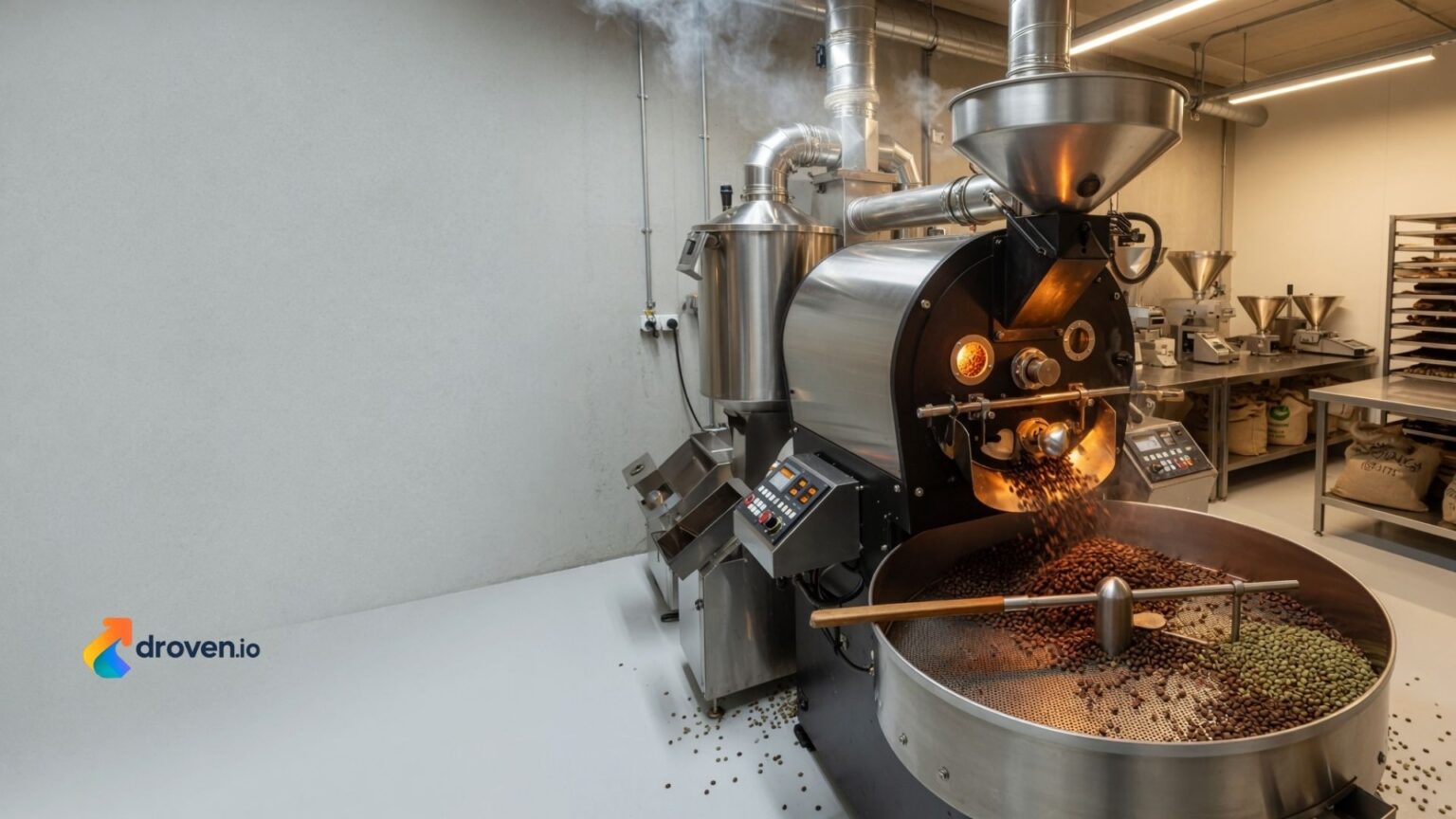
Coffee lovers know that the roasting process plays a major role in the flavor, aroma, and character of every cup. Green coffee beans develop their unique taste only after they are roasted under carefully controlled conditions. Whether you own a coffee shop, operate a roasting business, or enjoy roasting beans at home, coffee roaster machines provide the control and consistency needed to produce high-quality roasted coffee.
Today’s roasting equipment ranges from compact home models to large commercial systems capable of processing significant quantities of coffee. Choosing the right machine depends on production goals, available space, and the level of control you want during roasting.
This guide explains how coffee roaster machines work, the different types available, key features to consider, and best practices for achieving consistent roasting results.
What Are Coffee Roaster Machines?
Coffee roaster machines are specialized equipment designed to roast green coffee beans by applying controlled heat over a specific period. During roasting, the beans undergo physical and chemical changes that create the flavors and aromas associated with brewed coffee.
Depending on the machine, users can control variables such as:
- Temperature
- Roasting time
- Airflow
- Drum speed
- Cooling process
The available controls vary by manufacturer and model.
How Coffee Roaster Machines Work
Although designs differ, most coffee roasters follow a similar process.
First, green coffee beans are loaded into the roasting chamber. The machine then applies heat while keeping the beans moving to promote even roasting. Once the desired roast level is reached, the beans are transferred to a cooling tray where they cool quickly to stop the roasting process.
This controlled approach helps produce more consistent results from batch to batch.
Why Coffee Roasting Matters
Roasting transforms green coffee beans into the flavorful beans used for brewing.
During the roasting process:
- Moisture evaporates from the beans.
- Natural sugars begin to caramelize.
- Aromatic compounds develop.
- Bean color changes from green to brown.
- Oils may appear on darker roasts.
Small changes in roasting time or temperature can significantly affect the final flavor profile.
Types of Coffee Roaster Machines
Different machines are designed for different production needs.
Drum Coffee Roasters
Drum roasters are among the most common types used by specialty coffee businesses.
The beans rotate inside a heated drum, allowing heat to distribute gradually and evenly.
Advantages include:
- Consistent roasting
- Excellent flavor development
- Suitable for many roast profiles
- Available in multiple capacities
Fluid Bed Roasters
Fluid bed roasters use heated air instead of a rotating drum to roast the beans.
Benefits include:
- Faster roasting
- Even heat distribution
- Cleaner roasting process
- Efficient cooling
Some roasters prefer this style for lighter roast profiles.
Home Coffee Roasters
Home roasting machines are compact and designed for smaller batches.
They are suitable for coffee enthusiasts who enjoy experimenting with roast levels without requiring commercial equipment.
Choosing the Right Coffee Roaster Machines
Selecting the right machine depends on your roasting goals.
Roasting Capacity
Think about how much coffee you plan to roast.
Small machines work well for home users, while cafés and commercial roasters often require larger batch capacities.
Temperature Control
Precise temperature control helps create repeatable roast profiles.
Machines with adjustable settings allow greater flexibility during roasting.
Cooling System
Rapid cooling helps stop the roasting process at the desired point.
An efficient cooling system supports consistent quality across batches.
Ease of Operation
Look for machines with intuitive controls, clear displays, and accessible maintenance points.
These features can improve the overall roasting experience.
Features to Look For
Modern coffee roaster machines may include a range of advanced features.
Popular options include:
- Digital temperature controls
- Programmable roast profiles
- Airflow adjustment
- Variable drum speed
- Data logging
- Touchscreen displays
- Automatic cooling systems
- Safety monitoring
Available features vary depending on the model and manufacturer.
Coffee Roast Levels
Different roast levels produce different flavor characteristics.
Light Roast
Light roasts often highlight the coffee’s original flavor characteristics and acidity.
Medium Roast
Medium roasts balance acidity, sweetness, and body.
They are commonly used for a wide range of brewing methods.
Dark Roast
Dark roasts develop deeper caramelized flavors and lower acidity.
Longer roasting times create a bolder flavor profile.
The ideal roast level depends on personal preference and the coffee’s origin.
Maintaining Coffee Roaster Machines
Regular maintenance helps maintain performance and extends equipment life.
Recommended practices include:
- Clean chaff collectors regularly.
- Remove coffee oils from roasting surfaces.
- Inspect moving parts.
- Check temperature sensors.
- Follow the manufacturer’s maintenance schedule.
- Keep ventilation systems clean.
Proper maintenance also contributes to more consistent roasting results.
Safety Tips for Coffee Roasting
Roasting coffee involves high temperatures, so safety is important.
Follow these best practices:
- Operate the machine according to the manufacturer’s instructions.
- Keep the roasting area well ventilated.
- Clean the equipment regularly.
- Never leave a roasting machine unattended.
- Keep combustible materials away from the roaster.
- Perform routine equipment inspections.
These steps help support safe operation.
Who Uses Coffee Roaster Machines?
Coffee roasting equipment serves a wide range of users.
Common users include:
- Specialty coffee shops
- Commercial coffee roasters
- Home coffee enthusiasts
- Coffee retailers
- Hospitality businesses
- Training centers
Each group has different production requirements and roasting preferences.
Best Practices for Consistent Coffee Roasting
Achieving consistent results requires attention to detail.
Consider these recommendations:
- Use high-quality green coffee beans.
- Roast similar batch sizes.
- Monitor temperature carefully.
- Record roast profiles.
- Cool beans quickly after roasting.
- Clean the machine regularly.
- Allow beans to rest before brewing when appropriate.
Consistency improves with experience and careful process control.
Frequently Asked Questions
What are coffee roaster machines?
Coffee roaster machines are equipment designed to roast green coffee beans using controlled heat to develop flavor, aroma, and color.
Which type of coffee roaster is best?
The best option depends on your production needs, budget, available space, and preferred roasting style. Drum and fluid bed roasters are among the most common choices.
Can beginners use coffee roaster machines?
Yes. Many home coffee roasters are designed with simple controls, making them suitable for beginners while still offering room to develop roasting skills.
How often should a coffee roaster machine be cleaned?
Cleaning frequency depends on usage. Many manufacturers recommend routine cleaning after roasting sessions and more detailed maintenance at regular intervals.
Do coffee roaster machines affect coffee flavor?
Yes. Roasting time, temperature, airflow, and cooling all influence the final flavor, aroma, and body of roasted coffee.
How do I choose the right coffee roaster machine?
Consider roasting capacity, temperature control, ease of use, maintenance requirements, safety features, and your long-term roasting goals before making a purchase.
Conclusion
Coffee roaster machines are essential tools for transforming green coffee beans into flavorful, aromatic coffee ready for brewing. Whether you’re roasting small batches at home or producing coffee on a commercial scale, the right equipment helps improve consistency, control, and overall quality. By selecting a machine that matches your production needs, maintaining it properly, and refining your roasting process over time, you can create coffee that meets your preferred flavor profile while supporting reliable and efficient roasting operations.
