
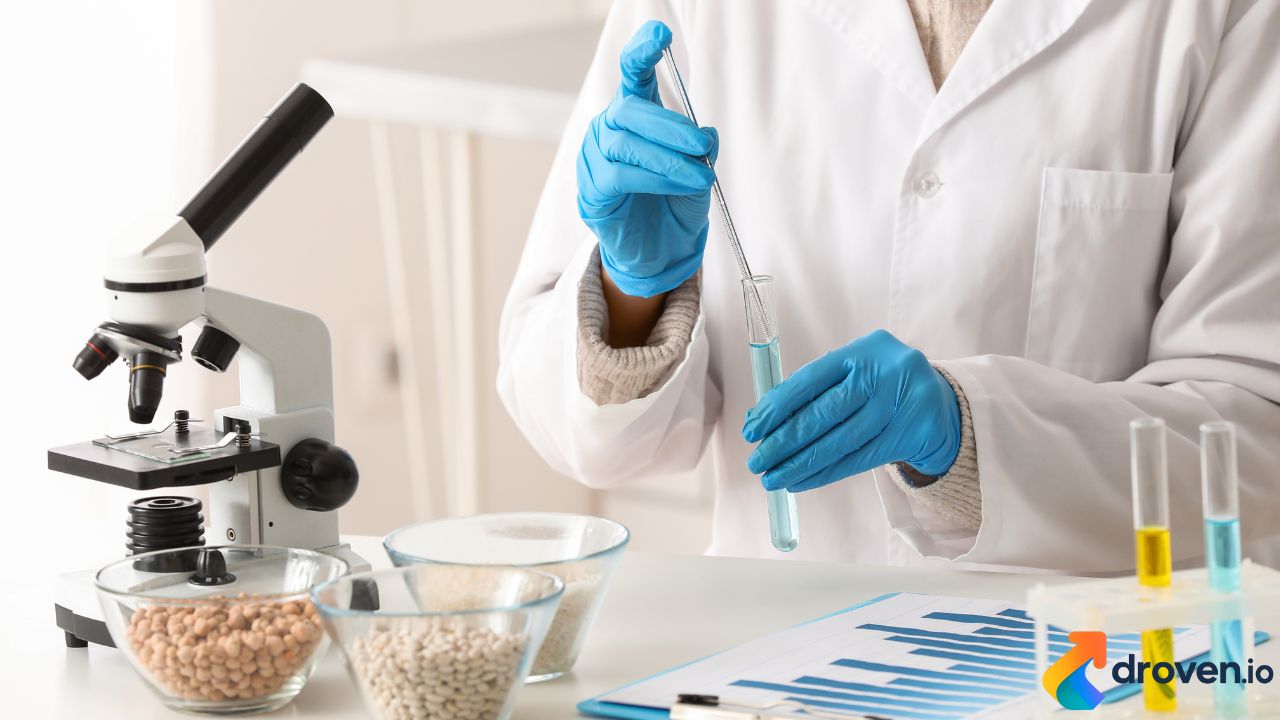
The beauty and skincare industry is one of the fastest-growing markets in the world, with new products launching every year. Behind these products are specialized companies known as cosmetics manufacturers, responsible for developing, producing, and packaging beauty items such as skincare, makeup, and personal care products.
Cosmetics manufacturers work with beauty brands, retailers, and entrepreneurs to transform product ideas into market-ready items. From formulation and ingredient sourcing to packaging and regulatory compliance, these companies handle many aspects of cosmetic product production.
Understanding how cosmetics manufacturers operate can help businesses and entrepreneurs choose the right partner for launching or expanding their beauty brands.
What Is a Cosmetics Manufacturer?
A cosmetics manufacturer is a company that produces cosmetic and personal care products for brands, retailers, or private label businesses. These manufacturers handle the formulation, production, quality control, and packaging of products such as:
- Skincare products
- Makeup items
- Hair care products
- Fragrances
- Personal care products
Cosmetics manufacturers often operate large production facilities equipped with specialized laboratories, mixing equipment, and automated packaging lines.
Many brands rely on manufacturers to produce their products rather than operating their own factories.
Types of Cosmetics Manufacturers
Different types of cosmetic manufacturers offer different services depending on the needs of a brand.
Private Label Manufacturers
Private label manufacturers produce ready-made formulas that brands can sell under their own labels. Businesses choose from existing formulas and customize packaging and branding.
This is one of the fastest ways to launch a beauty brand.
Contract Manufacturers
Contract manufacturers create custom formulas based on a brand’s specifications. They develop unique products tailored to specific market needs.
These manufacturers often provide research and development (R&D) services.
Full-Service Manufacturers
Full-service cosmetic manufacturers handle the entire product development process, including:
- Product formulation
- Ingredient sourcing
- Manufacturing
- Packaging design
- Regulatory compliance
This type of manufacturer is often ideal for startups or businesses launching new product lines.
The Cosmetics Manufacturing Process
Producing cosmetic products involves several stages that ensure safety, quality, and performance.
Product Development
The process begins with research and development. Scientists and formulators develop product formulas based on ingredients, product type, and desired results.
Testing ensures the product meets safety and performance standards.
Ingredient Sourcing
Manufacturers source ingredients such as natural extracts, oils, vitamins, and active compounds used in skincare and beauty products.
High-quality ingredients are essential for product effectiveness and consumer safety.
Production and Mixing
Once a formula is finalized, ingredients are mixed in specialized equipment. Temperature, mixing time, and consistency are carefully controlled to ensure uniform quality.
Quality Control
Quality control testing ensures that products meet safety and regulatory standards before they are packaged and distributed.
Packaging and Labeling
After production, cosmetic products are filled into containers such as bottles, jars, or tubes and labeled with branding and product information.
Packaging is an important part of product presentation and marketing.
Services Offered by Cosmetics Manufacturers
A professional cosmetics manufacturer may provide a wide range of services for beauty brands.
Common services include:
- Custom formulation development
- Private label product manufacturing
- Packaging design and sourcing
- Stability and safety testing
- Regulatory compliance support
- Product scaling and mass production
These services help brands bring products to market efficiently.
Benefits of Working with a Cosmetics Manufacturer
Partnering with a cosmetics manufacturer offers several advantages for beauty brands and entrepreneurs.
Industry Expertise
Manufacturers employ chemists and product developers who specialize in cosmetic formulation and product safety.
Cost Efficiency
Operating a manufacturing facility requires expensive equipment and regulatory compliance. Outsourcing production reduces these costs.
Faster Product Launch
Experienced manufacturers can streamline product development and reduce time to market.
Scalability
As demand grows, manufacturers can increase production capacity to meet larger orders.
These benefits make cosmetic manufacturing partnerships essential for many beauty companies.
Choosing the Right Cosmetics Manufacturer
Selecting the right manufacturing partner is critical for product quality and brand success.
Important factors to consider include:
Manufacturing Capabilities
Ensure the manufacturer has experience producing the type of product you plan to launch.
Certifications and Compliance
Reputable manufacturers follow industry standards such as Good Manufacturing Practices (GMP) and comply with cosmetic safety regulations.
Product Development Support
Some manufacturers offer research and development support for custom formulations.
Minimum Order Quantities
Manufacturers often require minimum production orders, which can vary depending on the company.
Carefully evaluating these factors helps businesses choose a reliable cosmetics manufacturer.
Trends in Cosmetics Manufacturing
The beauty industry continues to evolve, and cosmetic manufacturers are adapting to new trends.
Popular industry trends include:
- Natural and organic ingredients
- Sustainable and eco-friendly packaging
- Vegan and cruelty-free formulations
- Personalized skincare products
- Advanced skincare technologies
Manufacturers that adopt these trends can help brands stay competitive in the growing beauty market.
Conclusion
Cosmetics manufacturers play a vital role in the beauty industry by transforming product ideas into market-ready skincare, makeup, and personal care products. From formulation and ingredient sourcing to packaging and distribution, these companies handle many aspects of product production.
Partnering with a professional cosmetics manufacturer allows beauty brands to focus on marketing and brand development while relying on experienced experts for safe and efficient product manufacturing.
As the demand for innovative beauty products continues to grow, cosmetics manufacturers will remain key partners in helping brands bring high-quality products to consumers.
FAQs
What does a cosmetics manufacturer do?
A cosmetics manufacturer develops, produces, and packages beauty products such as skincare, makeup, and personal care items.
What is private label cosmetic manufacturing?
Private label manufacturing allows brands to sell ready-made cosmetic formulas under their own brand name.
Do cosmetics manufacturers create custom formulas?
Yes, many manufacturers offer custom formulation services for brands that want unique products.
What certifications should a cosmetics manufacturer have?
Manufacturers should follow Good Manufacturing Practices (GMP) and comply with cosmetic safety regulations.
How do beauty brands choose a cosmetics manufacturer?
Brands typically evaluate manufacturing capabilities, product quality, certifications, and minimum order requirements before selecting a partner.
