
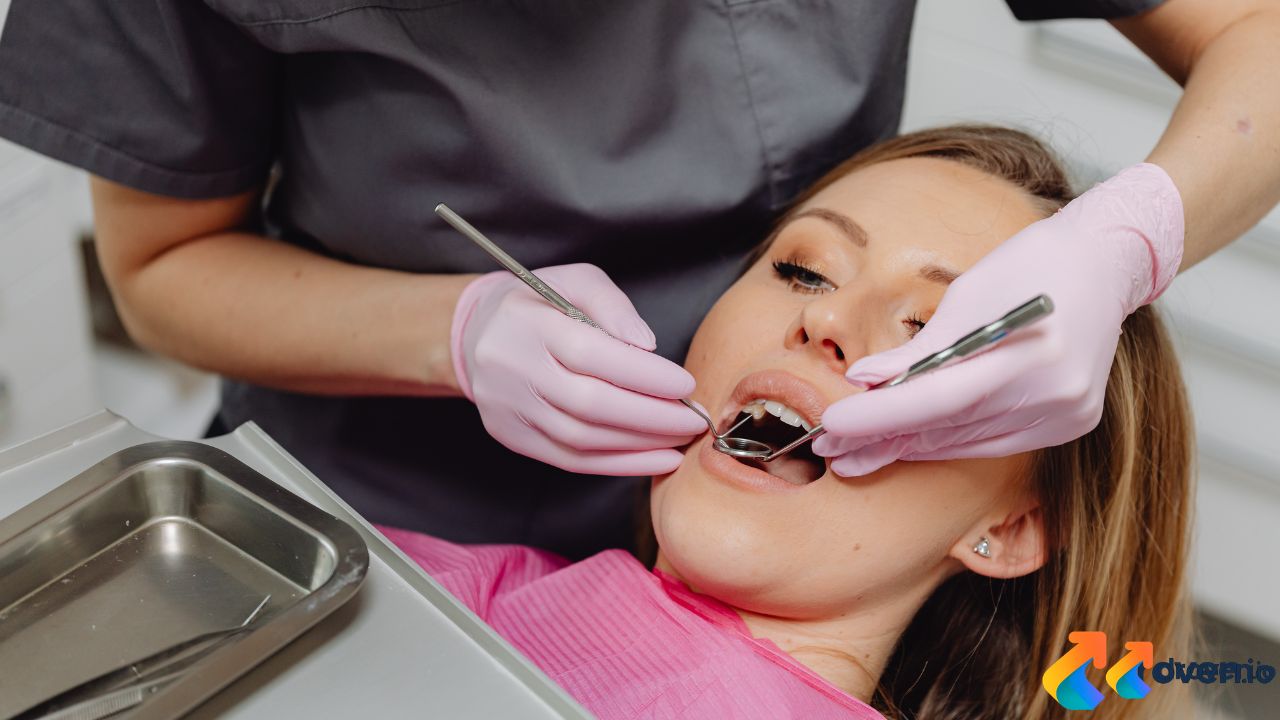
Dental health plays an important role in overall well-being, and modern dentistry offers many solutions for restoring damaged teeth. One of the most common restorative treatments is dental crowns, which are designed to cover and protect weakened or damaged teeth.
Dental crowns restore both the function and appearance of teeth, making them a popular option for individuals with cracked teeth, severe cavities, or teeth that have undergone root canal treatment. With advancements in dental materials and techniques, crowns can now closely match the natural look of surrounding teeth.
This guide explains what dental crowns are, the different types available, and what patients can expect during the treatment process.
What Are Dental Crowns?
A dental crown is a custom-made cap placed over a damaged tooth. The crown covers the visible portion of the tooth above the gum line and restores its shape, size, and strength.
Dentists recommend dental crowns for several reasons, including:
- Protecting weak or cracked teeth
- Restoring broken teeth
- Covering teeth after root canal treatment
- Supporting dental bridges
- Improving cosmetic appearance
Crowns are designed to function like natural teeth while providing long-lasting protection.
Types of Dental Crowns
Several types of crowns are available, and the choice often depends on factors such as durability, appearance, and budget.
Porcelain Crowns
Porcelain crowns are popular because they closely resemble natural teeth in color and transparency.
These crowns are commonly used for front teeth where appearance is especially important.
Ceramic Crowns
Ceramic crowns provide excellent aesthetics and are often recommended for individuals with metal allergies.
They blend naturally with surrounding teeth.
Metal Crowns
Metal crowns are made from alloys such as gold or platinum. They are extremely durable and resistant to wear.
Although less commonly used for visible teeth, they remain a strong option for back molars.
Porcelain-Fused-to-Metal Crowns
These crowns combine a metal base with a porcelain outer layer.
They offer both strength and a natural tooth appearance.
Zirconia Crowns
Zirconia crowns are known for their durability and modern design. They provide both strength and aesthetic appeal.
Many dental practices now recommend zirconia crowns for long-term restorations.
When Are Dental Crowns Needed?
Dentists may recommend crowns in various situations where a tooth needs additional support or protection.
Common reasons include:
Severe Tooth Decay
When a cavity becomes too large for a standard filling, a crown may be needed to restore the tooth.
Cracked or Broken Teeth
Crowns help hold the tooth together and prevent further damage.
Root Canal Treatment
Teeth that have undergone root canal therapy often become weaker and may require crowns for protection.
Cosmetic Improvements
Crowns can improve the appearance of discolored, misshapen, or worn teeth.
The Dental Crown Procedure
Receiving dental crowns typically requires two dental visits, although some clinics offer same-day crowns using advanced technology.
Initial Examination and Preparation
The dentist examines the tooth and prepares it by removing damaged areas. The tooth is then reshaped to allow the crown to fit properly.
Impressions
A dental impression or digital scan is taken to create a custom crown that matches the patient’s bite and surrounding teeth.
Temporary Crown
While the permanent crown is being made in a dental laboratory, a temporary crown may be placed to protect the tooth.
Permanent Crown Placement
During the second visit, the dentist removes the temporary crown and bonds the permanent crown to the tooth.
Benefits of Dental Crowns
Dental crowns provide several advantages for both oral health and aesthetics.
Strength and Protection
Crowns protect weakened teeth from further damage and restore normal chewing function.
Natural Appearance
Modern materials allow crowns to match the color and shape of natural teeth.
Long-Lasting Solution
With proper care, crowns can last many years.
Improved Confidence
Restoring damaged teeth can significantly improve the appearance of a smile.
Caring for Dental Crowns
Proper care helps extend the lifespan of dental crowns.
Helpful maintenance tips include:
- Brushing teeth twice daily
- Flossing regularly
- Avoiding chewing hard objects such as ice
- Visiting the dentist for regular checkups
- Using a night guard if grinding teeth
Maintaining good oral hygiene protects both the crown and surrounding teeth.
How Long Do Dental Crowns Last?
The lifespan of dental crowns depends on several factors, including the material used and oral hygiene habits.
On average, crowns can last 10 to 15 years or longer with proper care.
Regular dental visits help ensure crowns remain secure and functional.
Advances in Dental Crown Technology
Modern dentistry continues to improve crown materials and techniques.
Some recent innovations include:
- Digital scanning and 3D imaging
- Same-day crown fabrication using CAD/CAM technology
- Stronger ceramic materials
- Improved bonding techniques
These advancements make dental crown procedures faster, more comfortable, and more precise.
Conclusion
Dental crowns are one of the most effective restorative treatments available in modern dentistry. By covering and protecting damaged teeth, dental crowns help restore function, strength, and appearance.
With a variety of materials and advanced dental technologies available today, patients can receive crowns that are both durable and natural-looking.
For individuals with damaged or weakened teeth, dental crowns offer a reliable solution that supports long-term oral health and a confident smile.
FAQs
What is a dental crown?
A dental crown is a cap placed over a damaged tooth to restore its shape, strength, and appearance.
How long does it take to get a dental crown?
Traditional crown procedures usually require two dental visits, although some clinics offer same-day crowns.
Are dental crowns painful?
The procedure is typically performed under local anesthesia, so patients usually experience minimal discomfort.
How long do dental crowns last?
Most dental crowns last between 10 and 15 years with proper care.
Can dental crowns look natural?
Yes, modern crowns made from porcelain or ceramic are designed to closely match natural teeth.
