
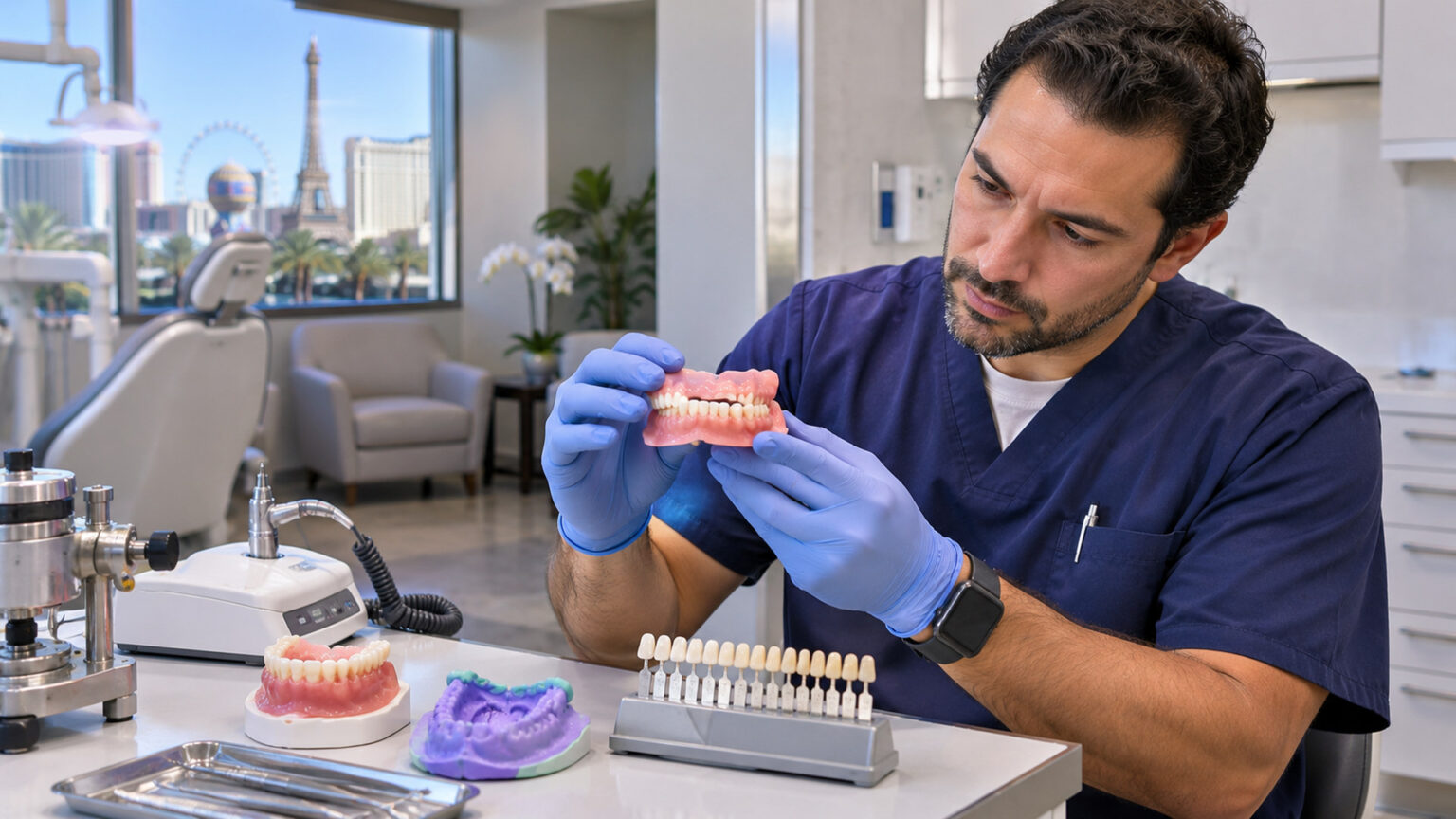
Finding dentures in Las Vegas means making choices about fit, function, appearance, and long term care. Modern dentures can replace several missing teeth or a complete arch, but the right option depends on your oral health, budget, and daily needs. A careful dental assessment matters more than an advertised starting price. This guide explains the available types, the fitting process, common costs, and the questions to ask before choosing a provider.
Missing teeth can affect chewing, speech, confidence, and the way remaining teeth work together. Replacing them may improve everyday comfort, but no denture feels exactly like natural teeth. Most people need time to adapt, and many need adjustments as the mouth changes. Knowing what to expect can make treatment less stressful.
Types of Dentures in Las Vegas and How They Differ
Dentures are removable or implant supported replacements for missing teeth. Some replace every tooth in one jaw. Others fill spaces while healthy natural teeth remain. A dentist should first examine your gums, remaining teeth, bite, and jawbone before recommending a design.
Complete Dentures for a Full Arch
Complete dentures replace all the teeth in an upper or lower arch. A removable base rests on the gum tissue and supports artificial teeth. The upper denture may cover much of the palate, while the lower one is shaped around the tongue.
Upper dentures often achieve suction more readily than lower ones, although results vary. The lower denture may move more during eating or speaking. Your dentist can explain how the shape of your mouth affects retention and stability.
Partial Dentures for Several Missing Teeth
A removable partial denture replaces selected teeth while retaining suitable natural teeth. It may use a resin base, metal framework, or other approved materials. Some designs include clasps or precision attachments for support.
Keeping remaining teeth healthy is essential. Your dentist may recommend periodontal treatment or repairs before fitting a partial. Regular cleaning around the supporting teeth helps reduce the risk of new dental problems.
Immediate Dentures After Extractions
Immediate dentures are prepared before planned tooth removal and placed soon after the procedure. They can reduce the time someone spends without replacement teeth, but the gums and underlying bone change during healing.
That change means the fit may become loose. Adjustments, temporary liners, or a later reline may be needed. Ask whether the initial price includes these visits and when a more definitive prosthesis might be considered.
Implant Supported Dentures
Implant supported options use dental implants placed in the jawbone to provide added retention or support. Some dentures snap onto attachments and can be removed for cleaning. Other implant restorations are fixed and are removed only by a dental professional.
Implants require adequate medical and oral assessment, treatment planning, and sometimes additional procedures. They are not suitable for everyone. A dentist should discuss surgical risks, maintenance needs, and alternatives before treatment begins.
Seven Important Checks Before Choosing a Denture Provider
Choosing a clinic for dentures in Las Vegas is easier when every provider answers the same questions. Focus on the clinical process and the final written treatment plan rather than a single promotional price.
1. Verify the Dentist’s Nevada License
Check the professional license of the dentist responsible for the evaluation and treatment. Nevada’s dental licensing system provides a public verification process. A licensed dentist can explain the clinical assessment, recommended prosthesis, and who will provide adjustments.
Ask Who Manages Your Follow Up Care
The person who takes the initial impression may not be the person who sees you after delivery. Ask who handles sore spots, bite changes, and repairs. Easy access to follow up visits can be particularly important for new denture wearers.
2. Request a Complete Oral Examination
A quote for dentures in Las Vegas without an exam cannot account for gum disease, tooth decay, oral lesions, or bone changes. A proper assessment may include dental images when clinically indicated. The dentist should explain whether existing teeth can be preserved and what needs treatment first.
Discuss Other Tooth Replacement Options
A partial denture is not always the only way to replace a missing tooth. Depending on your situation, a bridge, an implant restoration, or another approach may be appropriate. Ask for a balanced explanation of costs, risks, and maintenance.
3. Review the Materials and Design
Denture bases and teeth vary in material, appearance, and durability. Acrylic is widely used, while certain partial dentures use metal frameworks. A more expensive product does not automatically fit better if impressions and bite records are poor.
Ask to see realistic examples of tooth shape and shade. Discuss whether the design supports your speech, facial appearance, and preferred foods. The finished result should match your clinical needs rather than a photograph in an advertisement.
4. Understand the Fitting Appointments
New dentures usually require a sequence of visits. Your dentist may take impressions or digital scans, record how your jaws meet, and arrange a trial stage to review appearance and tooth position.
Ask when you will have a chance to comment on the smile, bite, and comfort. Clear feedback during the fitting process can reduce surprises at delivery, although later adjustments may still be necessary.
5. Compare All Fees in Writing
The price of dentures in Las Vegas can depend on the type of prosthesis, the number of arches, materials, laboratory work, and procedures required beforehand. Extractions, imaging, temporary dentures, implants, and repairs may be billed separately.
Request an itemized estimate. Confirm whether adjustment visits, relines, warranties, and replacements are included. Be cautious of offers that highlight a low starting price without describing the finished treatment.
6. Check Accessibility and Appointment Availability
A provider near your home or workplace may be easier to visit during the adjustment period. Las Vegas traffic, work schedules, and transport needs can affect how quickly you return when a denture causes discomfort.
Ask about appointments for urgent repairs, evening scheduling, and the expected turnaround time for laboratory changes. Convenient follow up may matter more than saving a small amount on the first appointment.
7. Look for Clear Explanations, Not Guarantees
A responsible dental team explains expected benefits and limitations. It should not promise that dentures will never move, that you can immediately eat every food, or that a particular design will last forever.
Good communication includes written care instructions, a clear repair policy, and an invitation to report problems. You should feel able to ask questions before agreeing to treatment.
How the Denture Fitting Process Works
The process for dentures in Las Vegas varies by oral condition and denture type, but it usually follows several stages. Understanding them helps you plan time away from work and anticipate follow up care.
Initial Consultation and Treatment Plan
The dentist examines your mouth and asks about your health, medications, past dental care, and goals. They may discuss tooth preservation, extractions, or treatment for oral disease. You should receive an explanation of suitable options and their likely costs.
Impressions, Scans, and Bite Records
Accurate records help the dental team build a denture that fits the contours of your mouth. Conventional impressions use a dental material in a tray. Some clinics also use digital technology for parts of the process.
Bite records establish how the upper and lower jaws meet. This step affects chewing, speech, and tooth position. Skipping careful records can create problems that are difficult to correct after the final denture is made.
Trial Fit and Appearance Review
Some treatments include a wax trial or another review stage. This allows the dentist to check tooth placement and bite relationships. You may have an opportunity to discuss the shape, shade, and general appearance of the teeth.
Give Specific Feedback
Instead of saying that the smile looks wrong, explain whether the teeth seem too long, too bright, or uneven. Share speech concerns or areas that feel crowded. Clear feedback helps the team understand what needs attention.
Final Placement and Adjustments
At delivery, the dentist checks pressure areas, bite contacts, retention, and the ability to insert and remove the denture. Early soreness can occur as your mouth adjusts, but persistent pain needs professional assessment.
Never try to reshape the denture with household tools. A small change to the wrong area can weaken the prosthesis or damage its fit. Contact the dental office when discomfort continues.
How Much Do Dentures Cost in Las Vegas?
There is no reliable citywide price because treatment plans differ. Basic removable dentures, precision partials, and implant supported options can involve very different costs. The price also depends on whether your mouth needs preparatory care.
Factors That Affect the Final Price
The number of missing teeth, chosen material, complexity of the bite, laboratory services, and clinician’s treatment plan all influence cost. Some patients need gum treatment or extractions before a denture can be made.
Implant supported dentures in Las Vegas add surgical evaluation, implant components, possible imaging, and continuing maintenance. Request the total estimated cost for the entire treatment sequence, not only the denture appliance.
Insurance, Medicare, and Payment Plans
Dental insurance may cover part of certain removable dentures, subject to deductibles, waiting periods, annual limits, and network rules. Original Medicare generally does not pay for routine dentures. Some Medicare Advantage plans offer dental benefits, but coverage varies.
Nevada Medicaid may provide denture benefits for eligible members under specific program requirements. Confirm current eligibility, authorization rules, and participating providers before assuming coverage. Financing plans can help spread costs, but compare interest, fees, and repayment terms carefully.
Compare Long Term Costs
An inexpensive initial denture may still need relines, repairs, or replacement. A higher initial fee may include some follow up services, or it may simply reflect a different product. Ask every clinic what the fee actually covers.
For a fair comparison, request estimates using similar treatment goals. A removable lower denture should not be compared directly with a complex implant restoration as though they were identical products.
Getting Used to New Dentures
Adjusting to dentures in Las Vegas or anywhere else takes practice. New appliances can feel bulky, change your speech, or affect the way you chew. These sensations often improve, but everyone adapts at a different pace.
Start With Manageable Foods
Begin with soft foods and smaller bites as directed by your dentist. Chew slowly and try to distribute pressure evenly. Gradually reintroduce other textures as your comfort and control improve.
Hard, sticky, or especially tough foods may remain challenging for certain denture designs. Ask your dentist what is realistic for your particular appliance rather than forcing yourself to eat through pain.
Practise Speaking Clearly
Certain sounds may feel unfamiliar because your tongue meets a different surface. Reading aloud for short periods can help you practise. Speak slowly while adapting, and ask for an assessment if persistent speech problems occur.
Know Which Symptoms Need Attention
Minor tenderness at the start is different from sharp pain, repeated ulcers, or a denture that frequently dislodges. Contact your dental team when symptoms persist. Swelling, fever, or significant bleeding should receive prompt professional attention.
Daily Cleaning and Care for Removable Dentures
Good care for dentures in Las Vegas protects your oral tissues and helps the appliance remain usable. Dentures collect food debris and biofilm just as natural teeth do. Cleaning also helps you notice cracks or loose components early.
Clean With Suitable Products
Remove and rinse dentures as instructed, and brush them gently with a suitable denture brush and nonabrasive cleaner. Use care over a towel or basin of water to reduce the chance of breakage if they slip.
Ordinary abrasive toothpaste may scratch denture surfaces. Very hot water can distort some materials. Always use products and temperatures recommended for your appliance, particularly if it contains metal or special attachments.
Remove Them for Recommended Rest Periods
Many patients are advised to take removable dentures out during sleep, allowing oral tissues to rest. Follow your dentist’s instructions, particularly after extractions or when special treatment conditions apply.
Store dentures appropriately when not worn. The recommended storage method depends on the material and cleaning product. Do not leave them where children or pets can reach them.
Care for Gums and Remaining Teeth
Clean your gums, tongue, and any natural teeth with suitable oral hygiene tools. A partial denture does not replace brushing and flossing around supporting teeth. Regular dental visits remain important even when you have no natural teeth.
Watch for Persistent Changes
Sore spots, bleeding, persistent bad breath, or unusual tissue changes should not be ignored. A dentist can check whether the cause involves denture fit, hygiene, infection, or another concern.
When Do Dentures Need Relining, Repair, or Replacement?
Your gums and supporting bone can change over time, especially after extractions. Dentures can also wear, crack, or lose their original fit. A loose denture is not always ready for complete replacement, but it needs evaluation.
Relining Versus Remaking
Relining changes the surface of a removable denture that rests against the gums. It may improve the fit when the rest of the prosthesis remains suitable. A replacement may be necessary when teeth are badly worn, the bite has changed, or the base is damaged.
Your dentist must examine the appliance and mouth before recommending either option. An adhesive can sometimes help with retention, but it is not a permanent solution for a badly fitting denture.
Avoid At Home Repair Kits
Household glue and do it yourself adjustments can damage denture materials or introduce unsafe substances. A cracked base may also indicate problems with the bite or the underlying fit.
Keep broken pieces together and contact your provider. Do not keep wearing a sharp or unstable appliance that injures your mouth.
Special Considerations for Las Vegas Residents
Las Vegas residents may prioritize easy follow up, flexible scheduling, and predictable costs. People who work irregular shifts or travel frequently can find repeated adjustment appointments difficult. Discuss the expected visit schedule before treatment begins.
Dry Mouth and Desert Living
Las Vegas has a dry climate, but dry mouth can also relate to medication, medical conditions, or other factors. Saliva helps with oral comfort and some denture retention. If your mouth often feels dry, tell your dentist rather than assuming it is simply the weather.
Your dental team may suggest appropriate hydration habits, saliva substitutes, or evaluation of possible causes. Avoid making medication changes without medical advice.
Travel and Emergency Repairs
If you travel between Nevada cities or spend time away from home, ask how the provider handles adjustments and repairs. Keep a secure copy of your treatment records and the dental office’s contact information.
For implant supported dentures, ask which parts are used and how a different dental professional could identify them if needed. Consistent maintenance makes future care easier.
Common Mistakes to Avoid When Buying Dentures
One mistake when shopping for dentures in Las Vegas is choosing a clinic solely because it advertises the lowest price. Another is assuming that a full denture will feel exactly like natural teeth immediately. Both expectations can lead to disappointment.
Do Not Skip Necessary Oral Treatment
Untreated gum disease, decayed supporting teeth, or oral lesions may complicate denture care. Treating problems before fabrication can protect your health and support better long term results.
Do Not Expect Adhesive to Fix Every Problem
Adhesives can help some people with retention, but they cannot correct every fit or bite problem. If you need increasing amounts to keep the appliance in place, schedule a professional evaluation.
Do Not Ignore Regular Dental Visits
An annual or otherwise recommended review can assess oral tissues, remaining teeth, denture condition, and fit. Your dentist may recommend a different recall schedule based on your health and treatment history.
Frequently Asked Questions
What types of dentures in Las Vegas can I choose from?
Common options include complete, partial, immediate, and implant supported dentures. A dentist can recommend the right type after examining your mouth and treatment goals.
How much do dentures cost in Las Vegas?
Prices vary by design, materials, preparatory treatment, and follow up services. Ask for an itemized estimate covering the entire treatment plan.
Does Original Medicare pay for dentures?
Original Medicare generally does not cover routine dentures. Some other dental plans may provide benefits, subject to their terms.
How long does it take to get used to new dentures?
Adaptation varies. Many patients need practice with eating and speaking, plus adjustments to address persistent sore spots or fit concerns.
Can dentures be repaired when they become loose?
Sometimes. A dentist may recommend adjustment, relining, or replacement depending on the condition of the appliance and mouth.
How do I choose a qualified Las Vegas denture dentist?
Verify Nevada licensure, ask about denture experience and follow up care, and compare detailed written treatment plans before deciding.
Conclusion
Choosing dentures should start with a careful dental exam and a clear discussion of your everyday needs. Compare the full treatment cost, understand how the appliance will be fitted, and plan for follow up visits. Daily cleaning and professional adjustments help protect comfort as your mouth changes over time. With realistic expectations and the right dental team, you can make a confident decision about replacing missing teeth.
