
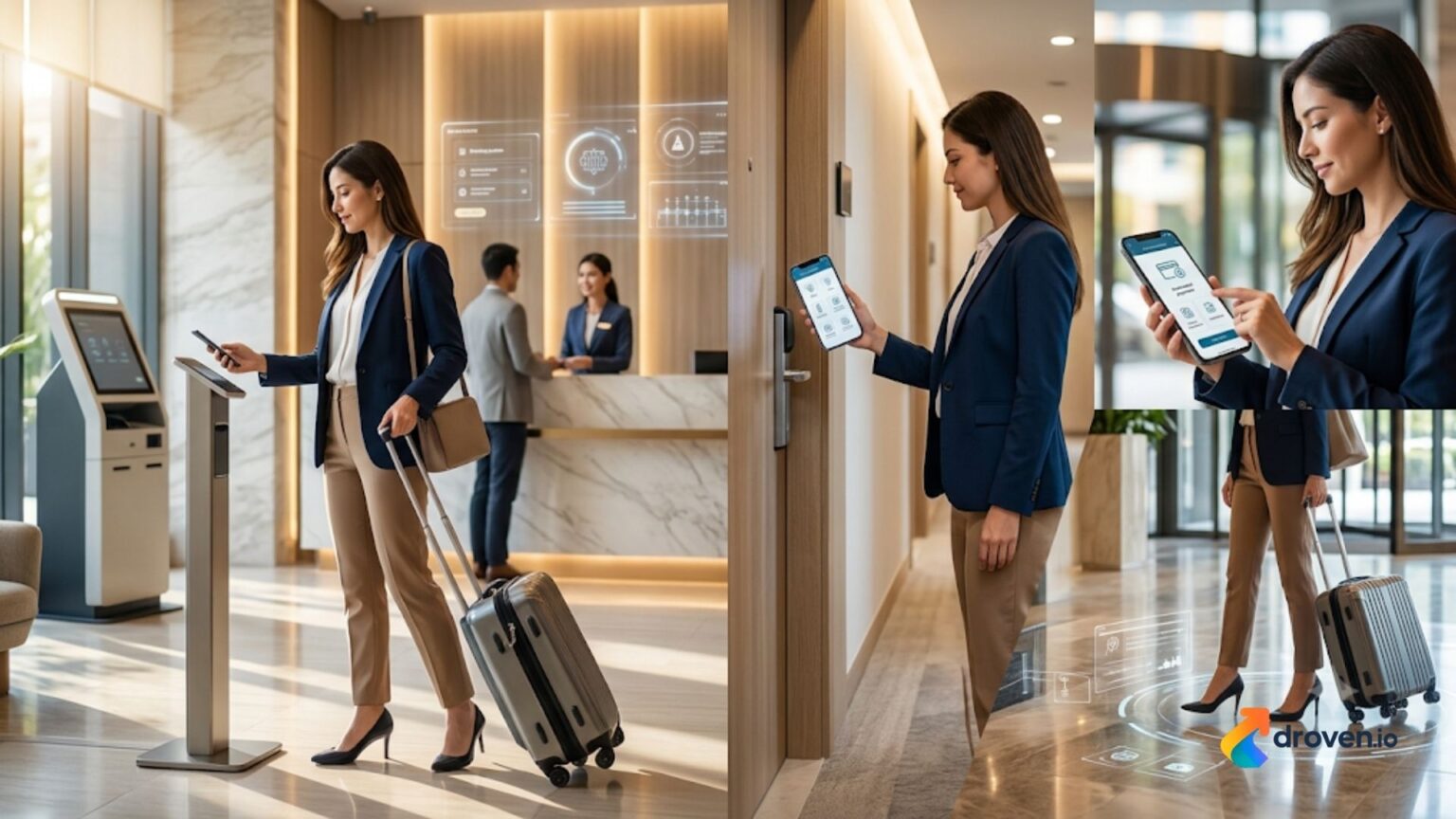
A hotel stay now begins before the guest reaches the lobby. Booking details, arrival times and room preferences may already be moving through several connected systems.
The useful technology is often invisible. Guests notice a ready room, a quick payment and a request answered without repeating their name or booking number.
What Hotel Managers Now Need to Understand
Running a digitally connected property requires more than installing kiosks or issuing mobile keys. Managers need to understand how reservations, housekeeping, payments and guest communication affect one another.
Students comparing masters in hospitality management can review programmes covering hotel operations, guest experience, digital leadership, revenue management and related specialisations. The choice deserves a close look because technology decisions now influence almost every department in a hotel.
A failed integration can create practical problems within minutes. Reception may see a room as available while housekeeping still has it marked for cleaning, leaving staff to solve the mismatch in front of a waiting guest.
The Stay Starts Before Arrival
Pre-arrival messages can confirm the booking, request an arrival time and offer early check-in. Hotels can also collect identification details before the guest reaches reception, subject to local rules and secure data handling.
Oracle’s mobile guest tools can begin the registration process by email several hours before arrival. Its guidance on contactless hotel check-in also covers digital payments, document checks and mobile room-key creation.
The practical benefit appears at busy times. A family arriving after a delayed evening flight may complete most formalities in advance and collect access without joining a long queue.
One System Behind Several Moments
A cloud property management system can hold the reservation, room status, payment record and known preferences in one place. Housekeeping updates room readiness, reception sees the change, and staff handling requests work from the same current record.
During a typical stay, connected tools may support:
- Mobile registration before arrival.
- Self-service check-in at a lobby kiosk.
- A digital key stored on the guest’s phone.
- Room-service orders sent through an app or chatbot.
- Controls for lighting, temperature and curtains.
- Contactless payment and automatic check-out.
These functions remove repeated administrative steps. They also give employees more time for situations that need judgement, explanation or personal attention.
Technology cannot calm an upset guest by itself. A chatbot may record that an air-conditioning unit has failed, but an employee still needs to arrange another room, explain the timing and handle the conversation properly.The same consolidation applies to shared commercial kitchens too, where operators running commissary or ghost-kitchen facilities rely on Shared kitchen management software to handle hour-by-hour access, equipment reservations, and member invoicing without adding front-desk headcount.
The Phone Becomes the Hotel Remote
Many travellers already use their phones for boarding passes, restaurant reservations and local transport. Managing a hotel stay from the same device feels familiar rather than experimental.Behind the scenes, businesses can also use restaurant bookkeeping services to manage dining-related expenses and keep their financial operations organized.
An Oracle and Skift survey found that 73% of respondents wanted to manage their digital hotel guest experience through a mobile device. The study included check-in, check-out, payments and food orders among the expected functions.
Smart-room controls can add another layer. A guest may adjust the temperature before returning upstairs, close the curtains from bed or connect personal entertainment accounts without calling reception.
Convenience Still Needs Safeguards
Every new digital touchpoint collects or transfers information. Hotels must secure identity documents, card details, door credentials and records of guest preferences.
Accessibility also needs attention. A mobile-only check-in process may exclude someone without a suitable device, reliable internet access or confidence using an app.
Staff training completes the system. Employees should know how the technology works, what information they may access and how to continue the stay when a kiosk, mobile key or payment connection fails.
Check-Out Is No Longer the Ending
Automatic check-out can send the final bill by email and release the room without another visit to reception. The property management system then updates room status so housekeeping can prepare for the next arrival.
After departure, a short feedback request can identify a maintenance issue or recognise helpful staff. When the hotel stores that information carefully, a future visit may begin with the guest’s known preferences already available to the team.
Digital hospitality works best when routine actions become quicker while staff remain easy to reach. Guests gain control over simple tasks, and employees keep responsibility for the moments that require an actual conversation.
