
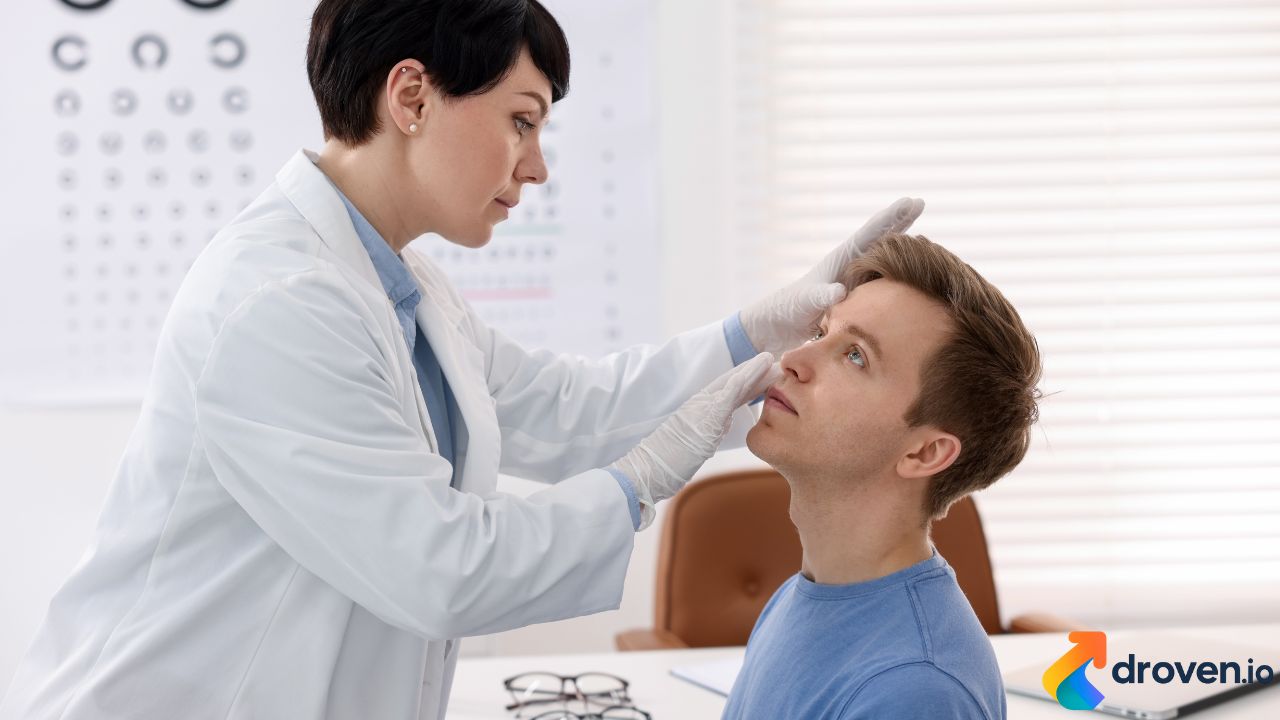
Healthy vision plays a critical role in everyday life, allowing people to perform daily activities such as reading, driving, working, and enjoying entertainment. However, millions of individuals worldwide experience eye-related problems that affect their vision and overall quality of life. Understanding the effective treatment for various eye-related conditions is essential for preventing vision loss and maintaining long-term eye health.
Eye disorders can develop due to aging, genetics, lifestyle habits, environmental factors, and underlying medical conditions. Some eye issues may cause mild discomfort, while others can lead to serious vision impairment if left untreated. Fortunately, advances in ophthalmology and medical technology have made it possible to diagnose and treat many eye conditions effectively.
From common issues such as dry eye and conjunctivitis to more serious diseases like glaucoma and macular degeneration, modern eye care provides a wide range of treatment options. Early detection, proper medical care, and healthy lifestyle habits are essential for protecting vision and preventing complications.
Understanding Eye Health and Vision
The human eye is a complex organ that works similarly to a camera. Light enters through the cornea, passes through the lens, and focuses on the retina at the back of the eye. The retina converts light into signals that are transmitted to the brain through the optic nerve, allowing us to see.
When any part of this system becomes damaged or affected by disease, vision problems can occur.
Maintaining eye health requires proper care of several components, including:
- Cornea
- Retina
- Optic nerve
- Lens
- Eye muscles
Proper treatment and regular eye examinations help ensure these structures remain healthy and functional.
Common Eye Conditions Affecting Vision
Several eye conditions affect people worldwide. Understanding these conditions is the first step toward finding the effective treatment for various eye-related conditions.
Refractive Errors
Refractive errors occur when the shape of the eye prevents light from focusing properly on the retina.
Common types include:
- Myopia (nearsightedness)
- Hyperopia (farsightedness)
- Astigmatism
- Presbyopia
These conditions are typically corrected using eyeglasses, contact lenses, or refractive surgery.
Dry Eye Syndrome
Dry eye occurs when the eyes do not produce enough tears or when tear quality is poor.
Symptoms may include:
- Burning sensation
- Redness
- Blurred vision
- Eye fatigue
Treatment options include lubricating eye drops, prescription medications, and lifestyle adjustments.
Conjunctivitis (Pink Eye)
Conjunctivitis is inflammation of the conjunctiva, the membrane covering the white part of the eye.
It may be caused by:
- Viral infections
- Bacterial infections
- Allergies
Treatment depends on the cause and may include antibiotics, antihistamines, or supportive care.
Cataracts
Cataracts occur when the eye’s natural lens becomes cloudy, leading to blurred vision.
Symptoms include:
- Blurry vision
- Difficulty seeing at night
- Sensitivity to light
Cataract surgery is one of the most effective treatments, replacing the cloudy lens with an artificial lens.
Glaucoma
Glaucoma is a group of eye diseases that damage the optic nerve, often caused by increased eye pressure.
Without treatment, glaucoma can lead to permanent vision loss.
Treatment options include:
- Prescription eye drops
- Laser therapy
- Surgical procedures
Age-Related Macular Degeneration
Macular degeneration affects the central portion of the retina and is a leading cause of vision loss in older adults.
There are two types:
- Dry macular degeneration
- Wet macular degeneration
Treatment may involve medications, injections, and lifestyle changes.
Understanding these conditions helps identify the most effective treatment for various eye-related conditions.
Importance of Early Diagnosis
Early detection is critical for preventing vision loss. Many eye conditions develop gradually and may not show noticeable symptoms during the early stages.
Regular eye examinations allow ophthalmologists to detect problems before they become severe.
Common diagnostic tests include:
- Vision tests
- Retinal imaging
- Tonometry (eye pressure test)
- Optical coherence tomography (OCT)
These diagnostic tools help doctors develop personalized treatment plans.
Medical Treatments for Eye Conditions
Advances in ophthalmology have significantly improved the treatment of eye diseases.
Prescription Eye Drops
Eye drops are commonly used to treat conditions such as glaucoma, dry eye, and infections.
They may contain:
- Anti-inflammatory agents
- Antibiotics
- Pressure-reducing medications
Oral Medications
Certain eye conditions require oral medications to control inflammation or infection.
Laser Treatments
Laser procedures are used for conditions such as glaucoma and diabetic retinopathy.
These treatments help repair damaged tissue or improve fluid drainage in the eye. Patients may also want to discuss the expected laser eye surgery cost with their eye care provider before deciding on a suitable treatment plan.
Surgical Procedures
Surgery may be required for conditions such as cataracts, retinal detachment, or severe glaucoma.
Modern surgical techniques are minimally invasive and have high success rates.
These medical interventions represent the effective treatment for various eye-related conditions available today.
Vision Correction Treatments
Vision correction procedures help individuals achieve clearer eyesight.
Eyeglasses
Eyeglasses remain one of the most common solutions for correcting refractive errors.
Contact Lenses
Contact lenses provide an alternative to glasses and can correct various vision problems.
LASIK Surgery
LASIK reshapes the cornea using laser technology to correct refractive errors.
PRK Surgery
Photorefractive keratectomy (PRK) is another laser procedure used for vision correction.
These treatments help improve visual clarity and reduce dependence on corrective lenses.
Lifestyle Changes for Eye Health
In addition to medical treatment, lifestyle habits play an important role in maintaining healthy eyes.
Balanced Nutrition
Foods rich in vitamins and antioxidants support eye health.
Important nutrients include:
- Vitamin A
- Vitamin C
- Vitamin E
- Omega-3 fatty acids
Leafy greens, fish, and colorful vegetables are beneficial for vision.
Regular Eye Breaks
People who spend long hours on digital devices should follow the 20-20-20 rule.
Every 20 minutes, look at something 20 feet away for 20 seconds.
UV Protection
Wearing sunglasses protects eyes from harmful ultraviolet radiation.
Proper Sleep
Adequate sleep helps maintain eye moisture and reduces strain.
Healthy habits complement the effective treatment for various eye-related conditions.
Eye Care for Children
Children’s vision development requires special attention.
Common childhood eye conditions include:
- Lazy eye (amblyopia)
- Crossed eyes (strabismus)
- Refractive errors
Regular pediatric eye examinations ensure early detection and treatment.
Treatment options may include:
- Corrective lenses
- Eye patches
- Vision therapy
Early care helps support healthy vision development.
Eye Care for Older Adults
As people age, the risk of eye diseases increases.
Older adults should receive regular eye exams to monitor conditions such as:
- Cataracts
- Glaucoma
- Macular degeneration
Early intervention improves treatment outcomes.
Digital Eye Strain and Modern Lifestyles
Digital devices have become an integral part of modern life. However, excessive screen use can lead to digital eye strain.
Symptoms include:
- Headaches
- Blurred vision
- Dry eyes
- Neck and shoulder pain
Preventive strategies include:
- Adjusting screen brightness
- Maintaining proper posture
- Taking frequent breaks
Managing digital eye strain supports overall eye health.
Advances in Eye Care Technology
Modern technology continues to transform eye care.
Artificial Intelligence in Diagnosis
AI systems assist doctors in detecting eye diseases through advanced image analysis.
Smart Contact Lenses
Research is underway on contact lenses that can monitor eye health and deliver medication.
Robotic Eye Surgery
Robotic systems allow surgeons to perform highly precise procedures.
Gene Therapy
Gene therapy offers potential treatments for inherited eye diseases.
These innovations represent the future of effective treatment for various eye-related conditions.
Preventing Eye Diseases
Preventive care is essential for protecting long-term vision.
Key prevention strategies include:
- Regular eye examinations
- Managing chronic conditions such as diabetes
- Maintaining a healthy diet
- Avoiding smoking
- Protecting eyes from injuries
Early prevention reduces the risk of severe vision problems.
When to See an Eye Specialist
Individuals should consult an eye specialist if they experience:
- Sudden vision changes
- Eye pain or redness
- Persistent blurred vision
- Light sensitivity
- Floating spots or flashes
Prompt medical attention can prevent further complications.
The Role of Ophthalmologists and Optometrists
Eye care professionals provide specialized treatment and vision care.
Ophthalmologists
Medical doctors who perform eye surgery and treat complex eye diseases.
Optometrists
Eye care professionals who diagnose vision problems and prescribe corrective lenses.
Both professionals play important roles in delivering effective treatment for various eye-related conditions.
FAQs
What are the most common eye conditions?
Common eye conditions include refractive errors, cataracts, glaucoma, dry eye syndrome, and macular degeneration.
How often should eye exams be performed?
Most adults should have comprehensive eye exams every one to two years.
Can eye diseases be prevented?
Many eye diseases can be prevented or managed through regular eye exams, healthy lifestyle habits, and early treatment.
Are laser eye surgeries safe?
Modern laser vision correction procedures such as LASIK are generally safe when performed by experienced surgeons.
What foods support eye health?
Foods rich in vitamins A, C, E, and omega-3 fatty acids support healthy vision.
Can digital devices damage eyesight?
Prolonged screen use may cause eye strain, but proper screen habits and breaks can reduce discomfort.
When should children have their first eye exam?
Children should receive their first eye examination between six months and one year of age, followed by regular checkups as recommended by eye care professionals.
