
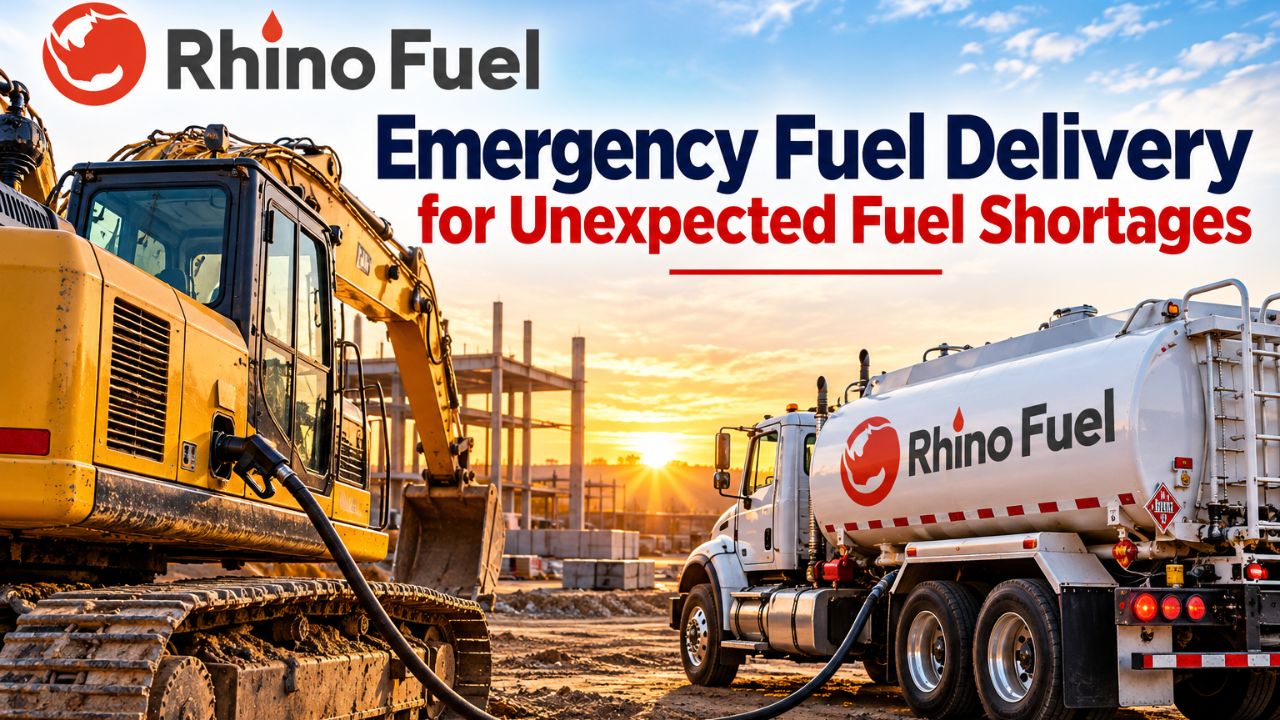
When equipment suddenly runs low on fuel, every minute can affect productivity. A construction crew may be forced to stop, a generator may lose power, or a fleet may be unable to complete scheduled routes. In these situations, Emergency Fuel Delivery provides a practical way to get the fuel needed directly to your location and keep essential operations moving.
Why Emergency Fuel Delivery Matters
Fuel shortages rarely happen at a convenient time. A tank can run lower than expected because of increased equipment use, an extended work shift, unexpected delays, or a busy operating schedule. Waiting until regular fuel services are available may leave your team dealing with unnecessary downtime.
Emergency fuel delivery helps businesses respond quickly when their normal fuel supply is no longer enough. Instead of sending employees away from the job site to find fuel, a delivery service can bring the required supply directly to the equipment or location.
This can be especially useful for companies that depend on generators, heavy machinery, commercial vehicles, and other fuel-powered equipment.
Keep Construction Equipment Working
Construction projects depend on steady equipment operation. Excavators, loaders, bulldozers, cranes, and other machines can consume significant amounts of fuel throughout the workday.
Running out of fuel can bring an entire work area to a standstill. Workers may have to wait while someone searches for a nearby fuel station, arranges transportation, and returns with enough fuel to restart operations.
Emergency fuel delivery gives construction companies another option. Fuel can be delivered to the job site, allowing equipment to get back to work without creating an unnecessary interruption to the schedule.
Support Backup Generators
Generators often become most valuable when normal power is unavailable. They may support warehouses, commercial buildings, construction sites, agricultural operations, and other facilities that cannot afford extended power interruptions.
A generator with an empty or nearly empty tank cannot provide much protection when it is needed most. Keeping an emergency fuel delivery option available gives facility managers a way to respond when fuel levels unexpectedly become critical.
Regular fuel monitoring is still useful, but emergency delivery provides an extra layer of support when circumstances change quickly.
Help Fleets Stay on Schedule
Commercial fleets operate around deadlines. Delivery trucks, service vehicles, buses, and other fleet vehicles may have routes that cannot simply be postponed because fuel was not available at the expected time.
An unexpected shortage can create a chain reaction. One vehicle may be delayed, deliveries can fall behind schedule, and employees may spend valuable working hours dealing with the problem.
Emergency fuel delivery can help fleet operators address urgent fuel needs without sending drivers away from their routes. Getting fuel where it is needed can reduce delays and help vehicles return to normal operations sooner.
When Should You Request Emergency Fuel?
There are several situations where arranging fuel delivery quickly can make sense:
- A generator is running low during an extended power outage
- Construction equipment has used more fuel than expected
- Fleet vehicles need fuel before completing their scheduled routes
- A fuel tank was not refilled before a busy operating period
- Severe weather has disrupted normal fuel access
- A job site is located far from convenient fuel stations
- Unexpected equipment use has increased fuel consumption
The sooner a shortage is identified, the easier it is to prevent a complete shutdown.
How to Reduce the Risk of Running Out
Emergency fuel services are useful when problems occur, but businesses can also reduce the chances of facing an urgent shortage.
Start by checking fuel levels regularly. High-use equipment should receive closer attention during long shifts or periods of increased activity. It can also help to track how quickly each machine or vehicle normally consumes fuel.
Businesses should also know which equipment requires the most fuel and plan supplies around expected usage. Keeping accurate records makes it easier to recognize unusual consumption before the tank reaches a critical level.
Having a reliable fuel delivery provider available is another practical step. When an unexpected shortage happens, you already know where to turn instead of searching for a provider while equipment is sitting idle.
Why Direct Delivery Can Save Time
Driving employees to purchase fuel takes time. Depending on the location of the job site, the trip may also involve significant travel and coordination.
Direct delivery changes the process by bringing fuel to the place where it is needed. This can reduce unnecessary travel and allow employees to remain focused on their normal responsibilities.
For businesses operating large equipment or multiple vehicles, avoiding even a short interruption can make a noticeable difference to the day’s workflow.
Prepare Before the Next Fuel Emergency
Fuel problems are easier to manage when a plan is already in place. Keep track of tank levels, understand normal fuel consumption, and know which equipment needs priority during an unexpected shortage.
It is also useful to keep the contact information for your fuel provider readily available. When a generator is close to shutting down or a fleet vehicle needs fuel urgently, there is little benefit in spending valuable time looking for a solution.
With the right preparation and dependable delivery support, an unexpected low-fuel situation does not have to become a full work stoppage. A quick response can get equipment refueled, generators operating, and vehicles back on schedule when every hour counts.
