
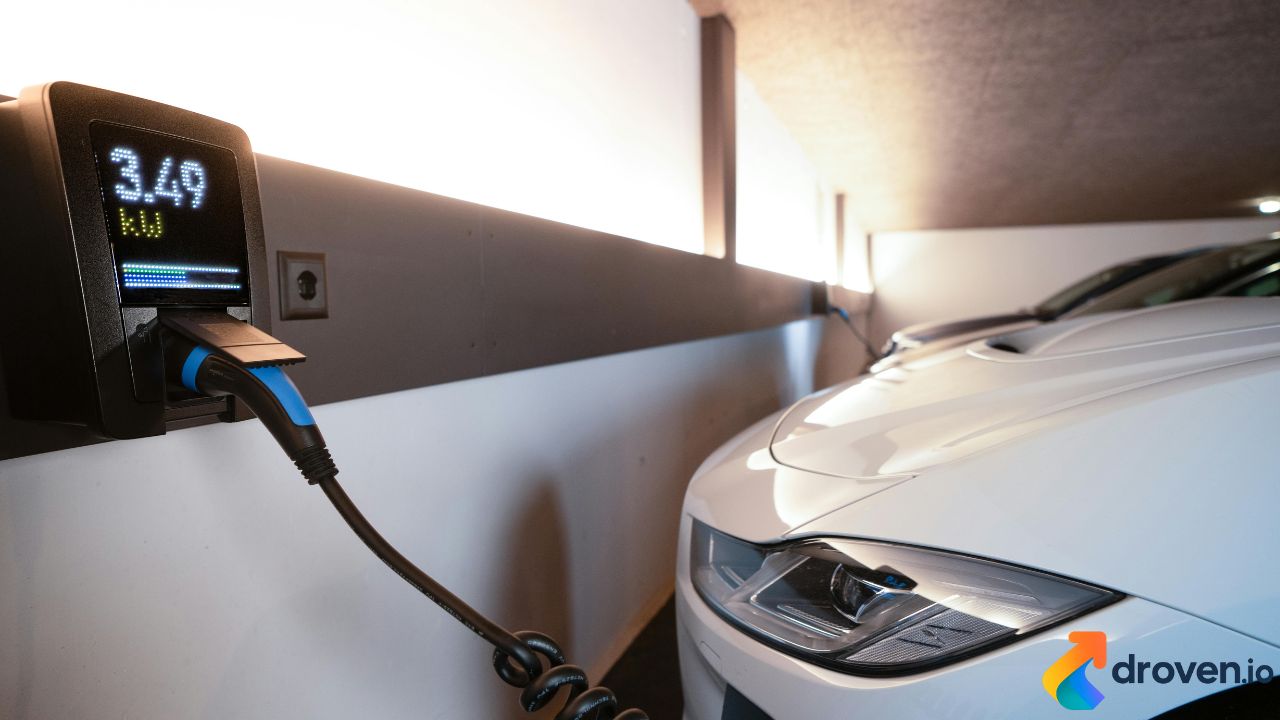
Electric vehicles (EVs) are becoming increasingly popular across British Columbia as more drivers transition to cleaner transportation. As EV adoption grows, many homeowners and businesses are investing in EV Charger Installation in Vancouver to enjoy the convenience of charging vehicles at home or at work. Installing a private charging station not only simplifies daily charging but also increases property value and supports sustainable energy use.
Public charging stations are widely available in Vancouver, but many EV owners prefer installing their own chargers to avoid waiting in line or traveling to charging locations. A professionally installed EV charger allows drivers to charge their vehicles overnight and start each day with a full battery.
What Is EV Charger Installation?
EV charger installation involves setting up electric vehicle supply equipment (EVSE) at a residential or commercial property so electric vehicles can be charged safely and efficiently. The installation process includes connecting the charger to the building’s electrical system and ensuring compliance with local safety regulations.
Professional EV Charger Installation in Vancouver usually includes:
- Electrical panel assessment
- Charger selection and placement planning
- Dedicated circuit installation
- Wiring and mounting of the charger
- System testing and inspection
Licensed electricians ensure the installation follows the Canadian Electrical Code and local safety standards.
Types of EV Chargers Available
Understanding charger types is important before installing an EV charging station.
Level 1 Chargers
Level 1 chargers plug into standard 120-volt household outlets.
Key features:
- Uses a regular wall outlet
- Adds about 8 km of driving range per hour
- Suitable for plug-in hybrids or short daily commutes
While Level 1 charging requires no special installation, it is relatively slow for fully electric vehicles.
Level 2 Chargers
Level 2 chargers are the most common option for home installations in Vancouver.
Advantages include:
- Operate on a 240-volt circuit
- Charge vehicles four to six times faster than Level 1
- Add approximately 30–45 km of driving range per hour
Because Level 2 chargers require a dedicated circuit, professional installation is necessary.
Level 3 (DC Fast Chargers)
Level 3 chargers are typically used in commercial charging stations.
Features include:
- Rapid charging capability
- Can charge an EV to about 80% in around 30 minutes
- Require industrial-level electrical infrastructure
Due to power requirements and cost, Level 3 chargers are rarely installed in residential homes.
Benefits of Installing an EV Charger at Home
Installing a private EV charger provides several practical advantages.
Convenience
Home charging allows drivers to plug in overnight and avoid waiting at public charging stations.
Lower Charging Costs
Charging at home is often cheaper per kilowatt-hour compared to many public charging networks.
Increased Property Value
Homes with EV-ready infrastructure are increasingly attractive to buyers as electric vehicles become more common.
Improved Energy Efficiency
Modern EV chargers can be integrated with smart energy systems that schedule charging during off-peak electricity hours.
These benefits make EV Charger Installation in Vancouver a smart investment for many homeowners.
EV Charger Installation Process
The installation process typically involves several steps to ensure safety and reliability.
Electrical Assessment
A licensed electrician evaluates the home’s electrical panel capacity and determines whether upgrades are required.
Charger Selection
Homeowners select a charger compatible with their vehicle and preferred charging speed.
Permit Application
Electrical permits must be obtained before installation begins to ensure compliance with local regulations.
Circuit Installation
A dedicated circuit is installed from the electrical panel to the charger location.
Charger Mounting and Wiring
The charger is securely mounted and connected to the power supply.
Testing and Inspection
The system is tested to confirm safe operation before final approval.
Most residential installations can be completed within a few hours to one day depending on complexity.
Cost of EV Charger Installation in Vancouver
The cost of EV Charger Installation in Vancouver depends on several factors such as electrical upgrades, installation distance, and charger type.
Typical factors affecting installation cost include:
- Distance between electrical panel and charger location
- Electrical panel capacity and potential upgrades
- Charger model and features
- Permit and inspection fees
In many cases, installing a home EV charger can cost several thousand dollars depending on these variables.
Although the initial investment may seem high, long-term savings from home charging can offset installation costs.
Permits and Regulations in Vancouver
Electrical permits are required before installing EV chargers in Vancouver to ensure safe installation.
Within Vancouver city limits:
- The City of Vancouver issues electrical permits and conducts inspections for EV charger installations.
Across British Columbia:
- Technical Safety BC enforces electrical safety standards and regulations.
Hiring a licensed electrician helps ensure that all permit and inspection requirements are completed properly.
EV Charger Rebates in British Columbia
Several incentive programs help reduce the cost of EV charging infrastructure.
Programs may include:
- BC Hydro rebates for Level 2 charger installations
- Provincial CleanBC programs supporting EV infrastructure
- Strata and commercial installation incentives
These rebates can significantly reduce installation costs for homeowners and businesses.
EV Charger Installation for Businesses
Many Vancouver businesses are installing EV chargers to support employees and customers who drive electric vehicles.
Commercial charging stations can:
- Attract eco-conscious customers
- Support employee sustainability initiatives
- Prepare for future EV demand
- Generate additional revenue through charging fees
Common locations for commercial chargers include office buildings, retail centers, hotels, and parking facilities.
Choosing the Right EV Charger Installer
Selecting an experienced electrician is essential for safe and reliable installation.
When choosing a contractor, consider:
Licensing and Certification
Ensure the electrician is licensed and experienced in EV charger installations.
Experience With EV Systems
Look for installers familiar with multiple charger brands and vehicle types.
Knowledge of Local Regulations
Local expertise ensures compliance with Vancouver electrical permits and codes.
Customer Reviews
Reviews and testimonials help evaluate reliability and service quality.
Working with qualified professionals ensures successful EV Charger Installation in Vancouver.
Future of EV Charging Infrastructure in Vancouver
As electric vehicle adoption continues to grow, Vancouver is expanding its charging infrastructure across residential, commercial, and public spaces.
Future trends may include:
- Smart charging systems integrated with home energy management
- Solar-powered EV charging stations
- Advanced load management for multi-unit buildings
- Expanded fast-charging networks across the region
These developments will further support the transition toward sustainable transportation.
FAQs
How long does EV charger installation take?
Most home EV charger installations can be completed within a few hours to one day depending on electrical requirements.
Do I need a permit to install an EV charger in Vancouver?
Yes. Electrical permits are required and inspections must be completed to ensure safety compliance.
What type of EV charger is best for homes?
Level 2 chargers are the most popular option because they provide faster charging and are suitable for daily use.
Can older homes support EV chargers?
Yes, but some homes may require electrical panel upgrades to support the additional power demand.
Are rebates available for EV charger installation in BC?
Yes. Programs such as BC Hydro and CleanBC may offer rebates for certain EV charging installations.
