
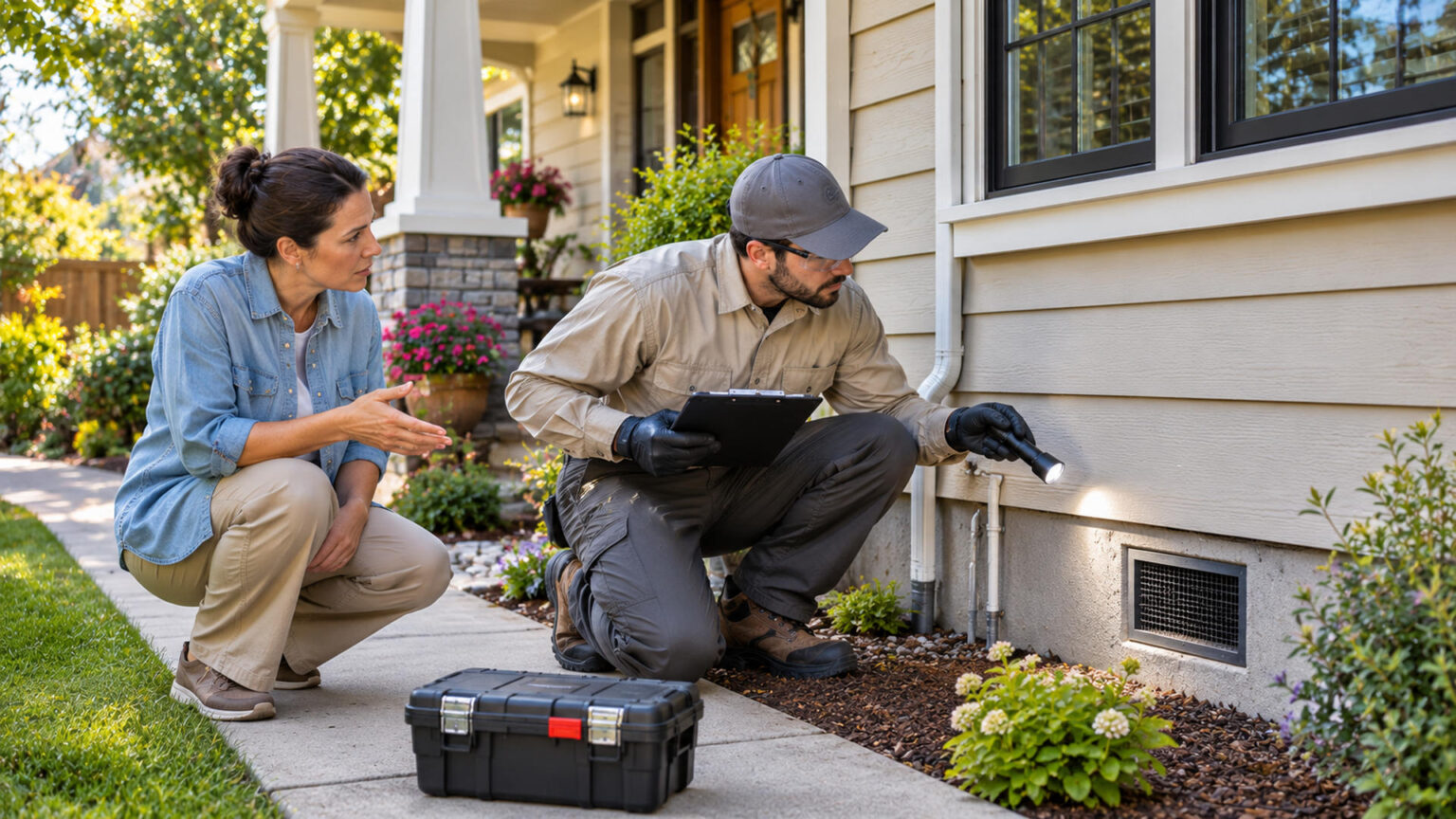
Finding a trustworthy exterminator Concord homeowners can call begins with identifying the pest, understanding the problem, and checking the company’s qualifications. A careful professional inspects the property before recommending treatments, explains potential risks, and offers a practical prevention plan. The lowest quote may not provide the best value if it misses an entry point or excludes follow up visits. This guide covers warning signs, treatment options, pricing factors, and seven checks that help you choose a dependable service.
Pest concerns vary across homes and seasons. A few ants near a window need a different response from termites damaging wood or rodents entering an attic. Your goal is an accurate diagnosis and a lasting reduction in pest activity, not simply the strongest available spray.
exterminator Concord: What to Expect From an Initial Inspection
A professional pest visit should start with questions about where you noticed activity, when it began, and what steps you already tried. The technician may inspect kitchens, bathrooms, foundations, storage areas, and the exterior. Inspection locations depend on the suspected pest and safe access to the property.
A useful report identifies the likely pest, evidence found, conditions supporting activity, and available control options. It should explain whether treatment is needed immediately or whether sealing gaps and reducing food sources might solve the problem. Ask for written findings when repairs or ongoing service are recommended.
Pest Identification Comes Before Treatment
Flying insects, small beetles, and household ants can look similar to an untrained eye. However, they may require very different controls. A provider should identify the problem as closely as possible rather than promise a universal treatment for every insect.
Good Service Includes Prevention
Effective pest management combines inspection, sanitation, exclusion, monitoring, and carefully selected treatments when justified. This approach is often called integrated pest management. It addresses why pests entered the property, making repeated infestations less likely.
Warning Signs That Your Home Needs a Pest Inspection
Seeing a single outdoor insect does not always mean you have an infestation. Repeated indoor sightings, unexpected droppings, chewed food packages, or unusual damage deserve closer attention. Record where and when you noticed the evidence without handling suspicious material unnecessarily.
Scratching sounds may suggest animal activity, but noises alone cannot identify the species. Mud tubes or damaged wood may warrant termite evaluation. Bites or skin reactions do not establish bed bugs without finding supporting evidence, so avoid treating the wrong problem.
When Should You Call Quickly?
Seek prompt professional help for suspected extensive termite damage, recurring rodent activity, or pests affecting food preparation spaces. An active stinging insect nest near an entrance also deserves careful assessment. Do not disturb a nest or expose yourself to a bite or sting while trying to confirm its size.
Seven Proven Ways to Choose the Right Pest Control Company
The best exterminator Concord residents can hire will explain its methods and responsibilities before asking for a long contract. Use the following checks to compare companies on consistent terms.
1. Verify Licensing and Relevant Experience
Ask for the company’s legal business name and the license or certification details required for the service. The proper regulator depends on which Concord you mean, since communities with that name exist in several states. Verify credentials through the applicable state agency, not simply a badge displayed on a website.
Ask whether the assigned technician has experience with your specific pest. Termite treatment, rodent exclusion, and bed bug work demand different skills. A qualified general technician may recommend a specialist for a difficult case.
Confirm Insurance and Service Responsibility
Request information about liability insurance and how the company handles accidental property damage. Clarify whether employees or subcontractors will perform the work. Keep the written quote and any inspection report with your records.
2. Expect an Inspection Before a Major Treatment
A credible provider should identify evidence before proposing extensive chemical work. For example, ant trails may lead to an exterior nesting area, while rodent droppings may point toward gaps behind utility lines. Treating visible pests alone can leave the source untouched.
A company may provide a preliminary estimate by phone, but the final scope should reflect the property. Ask which rooms, exterior areas, or accessible voids will be inspected. Be wary of guaranteed results before anyone knows what pest is present.
3. Ask About Integrated Pest Management
Integrated pest management, or IPM, uses inspection and monitoring to select suitable actions. It often starts with removing food, reducing moisture, and blocking access. Pesticides may be included when necessary, using appropriate products and application methods.
This approach does not mean that every infestation can be solved without chemicals. It means treatment should fit the identified problem and avoid unnecessary exposure. Ask what the technician will do besides applying a product.
Request a Clear Treatment Explanation
If pesticide use is proposed, ask for the product name, intended application areas, relevant precautions, and expected follow up. The applicator should follow the label and applicable law. Never accept an unidentified chemical treatment merely because it is called safe or natural.
4. Compare Written Estimates, Not Starting Prices
Pest control quotes can reflect inspection time, severity, access, pest type, and the number of visits. A one time ant treatment should not be priced or judged like a termite management program. Compare the work each company will actually perform.
A useful estimate identifies the target pest, planned visits, included repairs, exclusions, and service conditions. Ask whether the price includes monitoring, return visits, or emergency scheduling. Written details make comparisons much easier.
5. Review Guarantees and Follow Up Terms
Some pests require several visits because eggs, hidden nests, or continuing entry routes complicate control. Ask what progress should look like and how the company decides whether another treatment is necessary. A promise of permanent protection may be unrealistic without ongoing prevention.
Read any guarantee carefully. Check its duration, covered pests, homeowner responsibilities, and extra charges. For termite agreements, distinguish retreatment coverage from any promise to repair future damage.
6. Evaluate Communication and Safety Practices
A responsible technician should answer questions about children, pets, aquariums, gardens, and sensitive occupants. Precautions depend on the product and application, so ask for instructions specific to your home. If reentry restrictions apply, follow the written directions exactly.
The company should also explain preparation steps and how to contact support after a visit. Avoid providers that dismiss reasonable safety questions or pressure you to approve treatment without details.
7. Check Reviews With the Right Questions
Online ratings can reveal patterns in punctuality, communication, billing, and follow up. Read detailed reviews about similar pest problems rather than focusing only on the average score. A company with attractive marketing may still be poorly matched to specialized work.
Ask neighbors or property managers about their experience, then verify the company’s qualifications independently. Confirm that the business serves your specific Concord address. Location names can overlap, and a nearby office does not always mean the service area includes your neighborhood.
Common Pests and the Treatments They May Require
Different pests have different habits and vulnerabilities. The correct approach depends on reliable identification, the extent of activity, and the property’s condition. A professional should select approved measures rather than apply the same solution everywhere.
Ants and Cockroaches
Ants often enter through small gaps while searching for food or water. Their management may involve sanitation, targeted baits, and sealing entry points. Spraying visible trails without locating the colony can produce disappointing results.
Cockroaches hide in narrow spaces near warmth, moisture, and food. Effective management typically combines careful inspection, cleaning, monitoring, and appropriately placed treatments. Persistent activity in shared buildings may require coordination beyond one apartment.
Termites and Wood Damage
Termites can remain concealed while feeding on wood or other cellulose materials. Mud tubes, discarded wings, or unexplained structural damage should be evaluated rather than assumed to confirm a particular species. Proper identification affects the treatment method.
Possible professional strategies include baiting or other approved termite treatments. The right choice depends on structure type, infestation, soil conditions, and local rules. Suspected structural damage may also need evaluation by an appropriate building professional.
Mice and Rats
Rodents may enter through openings around pipes, vents, doors, and foundations. A sound control plan combines locating entry points, exclusion, sanitation, and suitable trapping or other approved methods. Poison use can create additional exposure risks for children, pets, and wildlife.
Ask the provider to explain how it will check for new activity and handle contaminated areas safely. Do not sweep or vacuum fresh rodent droppings without appropriate public health precautions. Sealing access routes helps reduce repeat invasions.
Bed Bugs
Bed bugs can hide in furniture seams, bed frames, and nearby cracks. A professional inspection should identify supporting evidence before treatment. Their presence is not proof of poor housekeeping, and control can require a coordinated plan over several visits.
Methods may include targeted products, heat treatment, vacuuming, and monitoring, depending on the situation. Follow preparation directions carefully. Do not move infested furniture through shared spaces without a containment plan.
Mosquitoes, Fleas, and Stinging Insects
Mosquito prevention starts with removing standing water and reducing breeding sites. Flea control often requires attention to pets and the home environment, with guidance from a veterinarian where appropriate. Yard treatments alone may not address the root problem.
For wasps or other stinging insects, species and nest location matter. Never attempt a risky removal near a doorway or high roofline. Ask a professional about safe timing and appropriate methods.
How Much Does an Exterminator Cost in Concord?
There is no dependable universal price for pest control across every community named Concord. Local labor costs, home size, pest species, treatment method, and service frequency all affect a quote. A severe infestation or difficult access may increase both time and cost.
One Time Visits Versus Ongoing Plans
A single targeted visit may be suitable when the problem is small and the source has been corrected. Ongoing monitoring can make sense when pressure remains high or a particular pest requires repeat checks. Ask why recurring service is recommended for your property rather than accepting it automatically.
Understand the Total Cost
Request the inspection fee, initial treatment price, return visit charges, contract term, and cancellation conditions. Ask whether exclusion repairs are included or quoted separately. The least expensive initial visit may cost more overall if it excludes essential follow up.
A Simple Quote Comparison
Imagine one company offers a low initial spray price while another includes inspection, targeted baiting, and a return check. The second may deliver more value if the pest requires monitoring. Compare documented scope and expected results, not just the first invoice.
What Happens During a Professional Pest Control Visit?
A typical appointment begins with a discussion of sightings, previous treatments, and any safety concerns. The technician then checks accessible areas for pest evidence, entry points, moisture, and food sources. Findings guide the proposed control plan.
If treatment is needed, the professional should explain where work will occur and whether you must move items or leave a room temporarily. Afterward, request a service record listing relevant products, completed tasks, and recommended next steps. Keep this record for future visits or rental property communication.
How Long Until You Notice Results?
Timing depends on the pest and method. Some visible insects may decline quickly, while a baiting or monitoring program may take longer. A professional should describe realistic signs of progress and when continued activity warrants a follow up call.
What If Pest Activity Continues?
Give the professional accurate details about what you still see, including dates, locations, and any changes since treatment. An occasional sighting may not mean the plan failed, but new activity in previously clear areas deserves attention. Ask whether the provider needs to reassess identification, entry points, or environmental conditions.
Do not apply extra pesticide between scheduled visits without discussing it with the company. Mixing methods can interfere with bait systems or create exposure concerns. When searching for an exterminator Concord provider with reliable follow up, ask how return visits are scheduled and documented. The response plan should be part of the original agreement.
Safety Questions Every Household Should Ask
Tell the company about children, pets, pregnancy concerns, asthma, aquariums, and other relevant sensitivities before treatment. The technician should consider these factors when discussing options. No pesticide can be described as risk free in every circumstance.
Ask About Products and Reentry
Request the product identification and instructions for protecting food, toys, bedding, and pets. Reentry and ventilation requirements differ by application. Do not replace label directions with generic advice from a social media post.
Keep Treatments Targeted
More pesticide is not necessarily better. EPA guidance supports pest identification and a combination of preventive controls with carefully chosen products when needed. Avoid routine broad spraying when no active problem or documented need justifies it.
Prepare Your Home Before the Appointment
Take photographs of pest evidence when safe and write down the locations. Make affected areas accessible without disturbing suspected nests or contaminated material. Ask the company what items should be moved, covered, or left untouched.
For a kitchen problem, proper food storage and prompt leak repair may help. For rodents, a professional may recommend securing pet food and reviewing outdoor trash storage. Avoid cleaning away all evidence before the inspection if identification remains uncertain.
Renters Should Coordinate With Management
If you rent, report concerns through the property’s maintenance process and document when the problem began. Building wide pest issues may require coordinated inspection and access to multiple units. The applicable state and local rules determine landlord and tenant responsibilities.
How to Prevent Pests From Returning
After treatment, focus on the conditions that made entry possible. Repair leaking pipes, close suitable gaps, and store food in sealed containers. Keep outdoor bins closed and remove unnecessary clutter around the structure.
Inspect the Exterior Regularly
Look for damaged door sweeps, open utility penetrations, and vegetation pressing against siding. Check moisture accumulation near foundations and crawl spaces. Use suitable repairs that preserve ventilation and do not block required drainage.
Track Activity Instead of Guessing
Keep a short record of sightings, trap findings, and areas of concern. A pattern can show whether treatment is working or whether activity has moved. Share accurate observations at follow up appointments instead of relying on memory.
DIY Pest Control or a Professional Exterminator?
Simple prevention often starts with actions homeowners can take safely, such as sealing food containers and correcting minor leaks. However, large infestations, unknown pests, termites, or complex rodent entry problems often justify professional assessment. The decision should reflect risk and complexity, not only price.
A professional is especially useful when the problem persists after reasonable nonchemical measures. Ask for a clear diagnosis before authorizing extensive work. Do not combine multiple pesticide products or exceed label directions in an effort to speed results.
Seasonal Pest Planning in Different Concord Locations
An exterminator Concord homeowners contact may face different pests depending on whether the property is in a warm coastal region, a humid inland area, or a colder climate. Seasonal activity is shaped by local weather, building conditions, and species. Avoid a generic calendar that assumes every Concord has the same pest season.
Instead, ask the provider which pests are active locally and what evidence supports its recommendation. Preventive work before a known seasonal increase may be useful, but the service should still address the property’s actual conditions.
Frequently Asked Questions
How do I choose a reliable exterminator in Concord?
Verify the appropriate state license, ask for a pest inspection, compare written treatment plans, and check insurance and follow up terms.
How much does pest control usually cost in Concord?
Prices vary by pest, property size, severity, and service scope. Request local written quotes that include fees and expected follow up visits.
Are pest control treatments safe for pets and children?
Safety depends on the product, application, and precautions. Tell the technician about household concerns and follow all specific label and reentry instructions.
Do exterminators treat termites and rodents?
Many providers do, but expertise and licensing categories vary. Confirm that the company has experience with the exact pest and treatment required.
Will one treatment eliminate every pest?
Not necessarily. Some infestations need monitoring, additional visits, entry sealing, or sanitation changes to achieve sustained control.
Should I leave my house during extermination?
Only if the treatment instructions require it. Ask the technician about preparation, ventilation, safe reentry, and any special precautions beforehand.
Conclusion
Choosing a reliable exterminator begins with accurate pest identification, verified qualifications, and a clear written plan. Compare treatments, safety precautions, and full costs rather than selecting by the lowest advertised price. Addressing moisture, food sources, and access gaps can also reduce the chance of recurring problems. With careful questions and realistic follow up, you can protect your home without paying for unnecessary treatments.
