
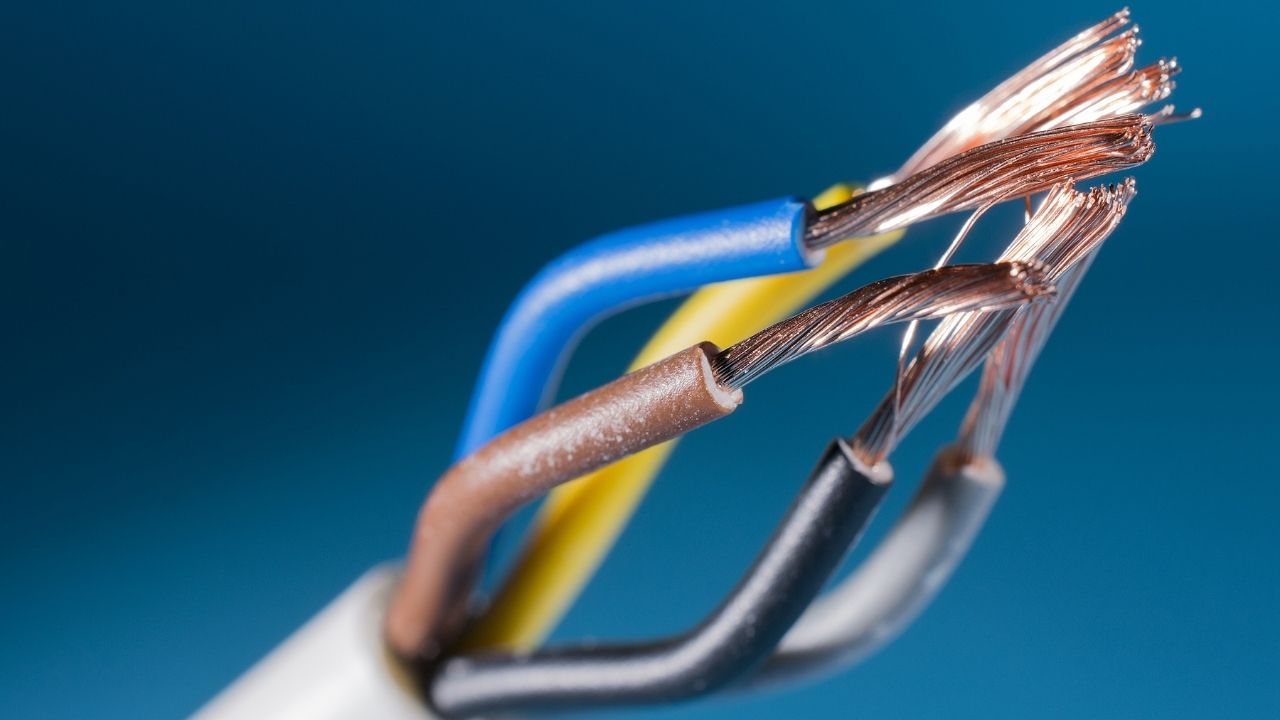
Electrical connections often require stranded wires to be terminated securely before they are inserted into terminal blocks, connectors, or other connection points. Stranded conductors can sometimes spread, fray, or become difficult to insert neatly into a terminal, particularly when individual strands are exposed.
A ferrule cable lug is commonly used to terminate the end of a stranded wire. It helps keep the conductor strands together and can provide a more organised connection when the wire is inserted into a compatible terminal.
What Is a Ferrule Cable Lug?
A ferrule is a small metal tube designed to fit over the stripped end of a stranded wire. Once the conductor is inserted, the ferrule is typically compressed using a suitable crimping tool.
The crimped ferrule holds the strands together and creates a defined termination at the end of the cable.
Bootlace ferrules are commonly used in electrical control panels, terminal blocks, switchgear, and other applications involving stranded conductors.
Why Are Ferrules Used?
The individual strands of a flexible wire can separate when inserted directly into certain terminals. This may make installation more difficult and create an untidy connection.
Using a ferrule can help:
- Keep individual wire strands together
- Reduce fraying at the conductor end
- Make wire insertion easier
- Provide a consistent conductor termination
- Improve the organisation of panel wiring
- Support repeatable assembly practices
The suitability of a ferrule depends on the wire type, terminal design, and application requirements.
How Does a Ferrule Work?
The basic process generally involves preparing the wire and attaching the ferrule to the stripped conductor.
A typical process includes:
- Cutting the wire to the required length.
- Stripping the insulation to the appropriate length.
- Inserting the exposed stranded conductor into the ferrule.
- Using a compatible crimping tool to compress the ferrule.
- Inserting the terminated wire into a suitable terminal or connector.
The crimping method and tool should be compatible with the specific ferrule design. Incorrect crimping can affect the quality and reliability of the termination.
Common Types of Ferrules
Insulated Ferrules
Insulated ferrules include a coloured plastic collar around the entry point. The collar can help guide the conductor into the metal tube and provide a neat finish at the termination.
Different colours may be used to identify conductor size, depending on the applicable standard or manufacturer system.
Uninsulated Ferrules
Uninsulated ferrules consist mainly of the metal tube without an insulating collar. They may be used where space is limited or where a specific termination style is required.
Twin Ferrules
Twin ferrules are designed to accommodate two stranded conductors within a single ferrule. They can be useful when two wires need to be connected into a compatible terminal point, provided that the terminal and application allow this arrangement.
Common Applications
Ferrule terminations are used in a variety of electrical systems, including:
- Control panels
- Distribution equipment
- Industrial automation
- Terminal blocks
- Switchgear
- Machinery wiring
- Building electrical systems
- Instrumentation and control equipment
They are particularly common where flexible stranded wires are used in organised panel wiring.
Choosing the Right Ferrule
Selecting a suitable ferrule requires matching it with the conductor and connection requirements.
Conductor Size
The ferrule must be compatible with the cross-sectional area of the wire. A ferrule that is too large may not crimp securely, while one that is too small may not accommodate the conductor correctly.
Insulated or Uninsulated Design
The choice depends on the installation requirements, available space, and the type of termination needed.
Single or Twin Entry
A standard ferrule is designed for one conductor, while a twin ferrule can accommodate two compatible conductors where the connection design permits.
Ferrule Length
Ferrules are available in different tube lengths. The appropriate length should suit the terminal depth and the available stripped conductor length.
Crimping Tool Compatibility
A suitable crimping tool and die profile should be used for the selected ferrule. The manufacturer’s recommendations should be followed where applicable.
Proper Installation Considerations
Before installing a ferrule, the conductor should be stripped to the appropriate length. Too much exposed conductor may leave bare wire outside the ferrule, while insufficient stripping may prevent the conductor from reaching the required depth.
The conductor should be fully inserted before crimping, and the finished termination should be checked for secure attachment and correct fit.
The ferrule should then be used with a compatible terminal or connection point. It is important to follow the relevant equipment instructions and applicable electrical standards for the installation.
Selecting Ferrules for Electrical Projects
When comparing ferrule cable lug options, useful specifications to review include conductor cross-sectional area, ferrule length, insulated or uninsulated construction, single or twin entry, material, and compatibility with the intended crimping tool and terminal.
Choosing the correct size and configuration can help create a neat and consistent termination for stranded conductors.
Conclusion
Ferrule cable lugs provide a practical way to terminate stranded electrical wires before connecting them to compatible terminals. By keeping individual strands together, they can support more organised wiring and easier installation.
The correct ferrule should be selected based on the conductor size, connection method, terminal design, and application requirements. Proper stripping, insertion, and crimping are also important for achieving a secure and reliable termination.
