
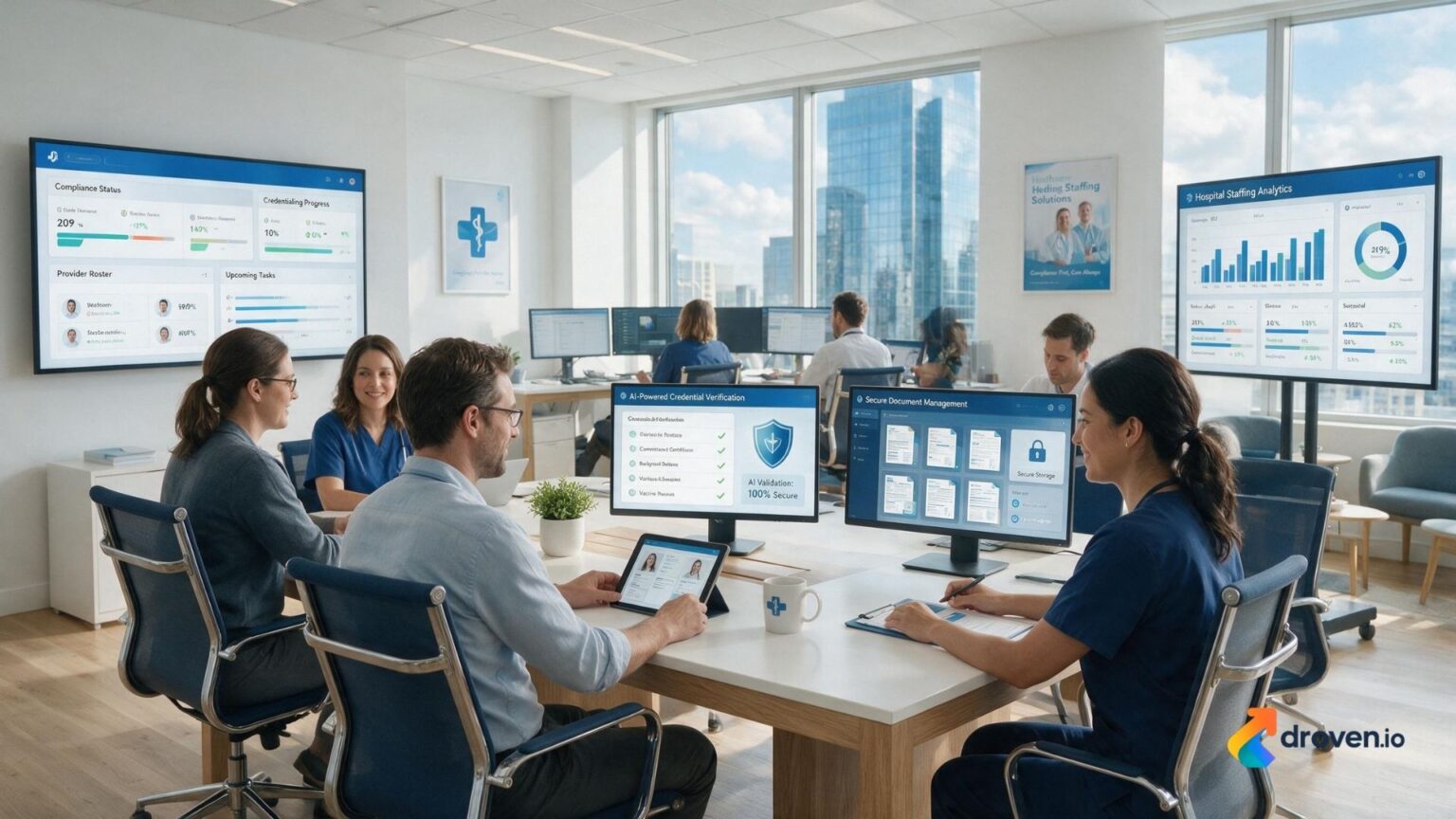
Healthcare staffing has become increasingly complex as hospitals, clinics, and healthcare organizations face workforce shortages, evolving regulations, and rising expectations for patient safety. While matching qualified professionals with open positions remains an essential part of recruitment, compliance has become just as critical to successful staffing operations. Flexzo AI reflects this shift by emphasizing that regulatory compliance, credential accuracy, and workforce readiness are fundamental components of efficient healthcare staffing. Rather than focusing only on connecting candidates with employers, modern staffing solutions increasingly recognize that successful placements depend on meeting licensing, certification, and regulatory requirements before a healthcare professional begins work.
As healthcare organizations continue to navigate changing regulations and workforce demands, compliance-focused technology is playing an increasingly important role in improving hiring efficiency, reducing administrative burdens, and supporting safe patient care.
Why Flexzo AI Focuses on Compliance in Healthcare Staffing
Healthcare staffing extends beyond filling vacant positions. Every placement must satisfy professional licensing standards, credential verification requirements, background screening policies, and facility-specific regulations.
Organizations that overlook these compliance responsibilities may face operational delays, regulatory issues, or disruptions to patient care. Flexzo AI highlights the importance of integrating compliance into staffing workflows so healthcare providers can make hiring decisions with greater confidence.
By treating compliance as an ongoing operational process rather than a final hiring step, staffing teams can better manage workforce readiness.
What Makes Compliance More Important Than Simple Candidate Matching?
Flexzo AI and the Shift Toward Workforce Readiness
Traditional recruitment systems often prioritize identifying candidates who match job descriptions based on experience, skills, and availability. While these factors remain important, healthcare employers also need assurance that every professional satisfies regulatory and organizational requirements.
A comprehensive compliance process may include:
- Professional license verification
- Certification validation
- Background checks
- Immunization records
- Continuing education documentation
- Identity verification
- Drug screening requirements
- Facility-specific onboarding documentation
Candidate matching alone cannot address these operational requirements.
The Growing Complexity of Healthcare Staffing
Healthcare organizations operate within one of the most regulated industries in the United States. Compliance requirements frequently change as licensing boards, accreditation organizations, and healthcare regulations evolve.
Several factors contribute to this complexity:
- Multi-state licensing requirements
- Changing workforce regulations
- Temporary staffing demands
- Credential expiration management
- Hospital accreditation standards
- Patient safety initiatives
- Data privacy obligations
- Workforce shortages
Technology platforms that help organize compliance information can support staffing teams as they navigate these evolving responsibilities.
How AI Supports Compliance Management
Flexzo AI and Intelligent Compliance Automation
Artificial intelligence can streamline repetitive administrative tasks that traditionally consume significant recruiter time.
Examples include:
- Monitoring credential expiration dates
- Organizing compliance documentation
- Flagging missing records
- Supporting workflow automation
- Improving document management
- Assisting with onboarding processes
- Identifying incomplete candidate files
While Flexzo AI can improve operational efficiency, final compliance decisions generally continue to require human oversight, particularly when regulatory interpretation or organizational policy is involved.
Benefits of Compliance-First Healthcare Staffing
Reduced Administrative Work
Manual compliance reviews often require recruiters to examine multiple documents, verify credentials, and monitor renewal deadlines.
Automation can reduce repetitive administrative work while improving consistency across staffing operations.
Faster Placement Readiness
When compliance documentation is organized before assignments begin, healthcare professionals may be able to complete onboarding more efficiently, subject to employer requirements.
Improved Risk Management
Maintaining accurate compliance records helps healthcare organizations better manage regulatory responsibilities and reduce the likelihood of documentation gaps.
Better Workforce Visibility
Centralized compliance information allows staffing teams to quickly determine whether professionals meet assignment requirements before placements are finalized.
Why Healthcare Organizations Value Compliance
Healthcare employers must balance staffing efficiency with patient safety and regulatory accountability.
Compliance supports this balance by helping organizations:
- Verify professional qualifications
- Maintain accurate workforce records
- Support accreditation requirements
- Prepare for audits
- Reduce onboarding delays
- Improve operational consistency
These processes contribute to stronger workforce management while supporting healthcare quality standards.
The Role of Flexzo AI in Modern Healthcare Staffing
Flexzo AI Supports Smarter Staffing Operations
Artificial intelligence is increasingly used to assist recruiters with data organization, workflow management, and candidate administration.
Potential applications include:
- Resume analysis
- Credential organization
- Candidate communication support
- Scheduling assistance
- Workforce reporting
- Compliance monitoring
- Data analytics
Flexzo AI functions best as a decision-support tool rather than a replacement for professional judgment. Recruiters, compliance specialists, and healthcare administrators continue to play an essential role in evaluating candidates and ensuring regulatory compliance.
Challenges in Healthcare Staffing Compliance
Even with advanced technology, healthcare staffing organizations continue to face several operational challenges.
These include:
- Frequent regulatory updates
- Multiple licensing jurisdictions
- Credential renewal tracking
- Documentation accuracy
- Workforce shortages
- Facility-specific onboarding standards
- Maintaining data security
- Balancing speed with compliance
Addressing these challenges requires well-defined processes, reliable technology, and experienced staffing professionals.
Best Practices for Compliance-Focused Staffing
Flexzo AI Encourages Proactive Compliance Management
Organizations can strengthen staffing operations by adopting structured compliance practices such as:
- Regular credential reviews
- Digital document management
- Automated renewal reminders
- Standardized onboarding workflows
- Continuous policy monitoring
- Internal compliance audits
- Staff training on regulatory updates
These practices help improve operational consistency while supporting regulatory obligations.
The Future of AI and Healthcare Staffing
Healthcare staffing is expected to continue evolving as organizations adopt digital tools that improve workforce management and administrative efficiency.
Artificial intelligence will likely play an expanding role in:
- Credential tracking
- Compliance analytics
- Workforce forecasting
- Staffing optimization
- Recruitment automation
- Operational reporting
At the same time, successful staffing organizations will continue to combine technology with human expertise to address complex regulatory requirements and individual hiring decisions.
Why Compliance Creates Long-Term Value
While fast candidate matching remains valuable, healthcare employers increasingly recognize that compliant staffing processes contribute to operational reliability.
Organizations that prioritize compliance may experience:
- More consistent onboarding
- Better regulatory preparedness
- Improved workforce documentation
- Stronger operational efficiency
- Enhanced confidence during audits
These outcomes demonstrate why compliance has become a strategic consideration rather than simply an administrative requirement.
Conclusion
The healthcare staffing industry continues to evolve as regulatory requirements become more complex and workforce demands increase. Throughout this transformation, Flexzo AI reflects the growing emphasis on compliance as a core element of successful staffing operations. While identifying qualified candidates remains important, healthcare organizations also depend on accurate credential verification, regulatory documentation, and ongoing workforce readiness. By supporting structured compliance workflows alongside recruitment activities, Flexzo AI represents a broader shift toward technology that helps staffing professionals improve efficiency while maintaining high standards of accountability. As healthcare continues to embrace digital innovation, compliance-first strategies are likely to remain an essential component of sustainable workforce management.
Frequently Asked Questions
1. What is Flexzo AI?
Flexzo AI is associated with AI-driven healthcare staffing solutions that emphasize compliance, credential management, and workforce readiness alongside candidate matching.
2. Why is compliance important in healthcare staffing?
Compliance helps ensure healthcare professionals meet licensing, certification, and regulatory requirements before beginning assignments, supporting safe and efficient staffing.
3. How can AI improve healthcare staffing?
AI can assist with administrative tasks such as document management, credential tracking, workflow automation, scheduling support, and compliance monitoring while human professionals oversee final decisions.
4. Does AI replace healthcare recruiters?
No. AI supports recruiters by improving efficiency and organizing information, but hiring decisions, compliance reviews, and relationship management continue to require human expertise.
5. What are common healthcare staffing compliance requirements?
Requirements often include professional license verification, certification validation, background screening, immunization records, continuing education documentation, and facility-specific onboarding.
