
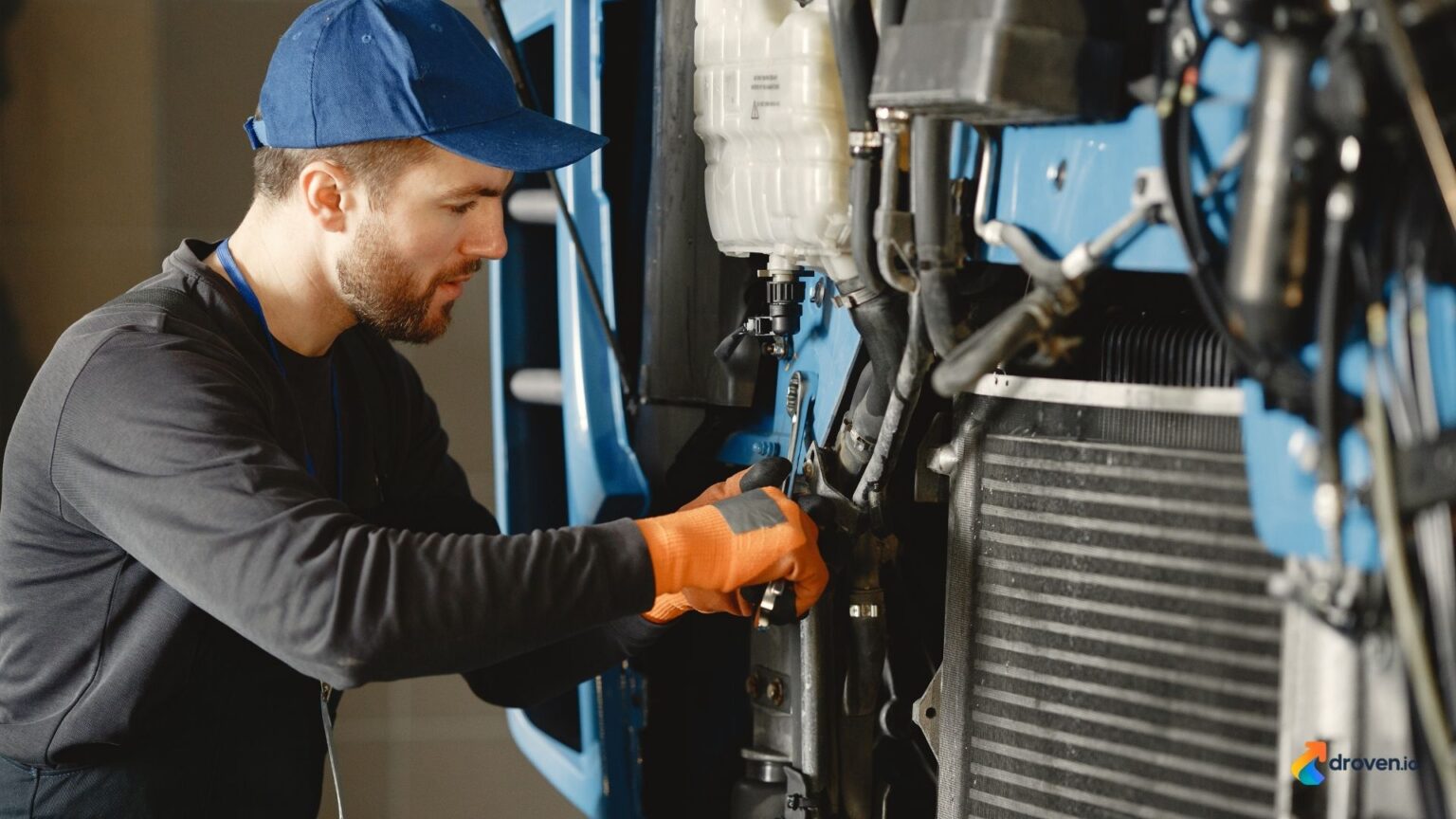
Generator specialists are highly trained professionals who install, service, repair, and maintain backup power systems for residential, commercial, and industrial properties. Whether you’re preparing for severe weather, unexpected power outages, or ensuring business continuity, working with experienced generator specialists helps ensure your generator operates safely, efficiently, and reliably. From selecting the right generator size to performing routine maintenance and emergency repairs, these professionals play a crucial role in protecting your property against power interruptions.
As electricity has become essential for daily living and business operations, backup generators have evolved from optional equipment into valuable investments. Professional generator specialists help maximize the performance, lifespan, and reliability of these systems through expert installation and ongoing support.
What Are Generator Specialists?
Generator specialists are professionals who focus exclusively on backup power systems. Their expertise covers every stage of generator ownership, including equipment selection, installation, diagnostics, preventive maintenance, repairs, and system upgrades.
Unlike general electrical contractors, generator specialists possess in-depth knowledge of generator technologies, automatic transfer switches, fuel systems, electrical load calculations, and manufacturer maintenance requirements.
Their services are designed to ensure backup power systems perform correctly whenever utility power is unavailable.
Services Offered by Generator Specialists
Generator specialists provide comprehensive services for both residential and commercial customers.
Generator Installation
Proper installation is critical for generator performance and safety.
Installation services typically include:
- Site evaluation
- Generator sizing
- Concrete pad installation
- Fuel connection
- Electrical wiring
- Transfer switch installation
- Startup testing
- Final inspection
Professional installation ensures compliance with local electrical and building regulations.
Generator Maintenance
Routine maintenance keeps generators operating efficiently throughout the year.
Maintenance services often include:
- Oil changes
- Air filter replacement
- Fuel filter inspection
- Spark plug replacement
- Battery testing
- Coolant inspection
- Belt inspection
- Control panel diagnostics
- Load testing
Scheduled maintenance helps identify minor issues before they develop into costly repairs.
Generator Repairs
Even well-maintained generators occasionally require repairs.
Common repair services include:
- Battery replacement
- Fuel system repairs
- Starter motor replacement
- Alternator repairs
- Cooling system repairs
- Sensor replacement
- Electrical troubleshooting
- Transfer switch repairs
Professional diagnostics help restore reliable operation quickly.
Emergency Generator Service
Power outages can occur unexpectedly.
Many generator specialists provide emergency repair services for:
- Generator startup failures
- Storm damage
- Electrical faults
- Fuel delivery problems
- Transfer switch malfunctions
Rapid response helps restore backup power as quickly as possible.
Types of Generators
Different generators serve different applications.
Standby Generators
Standby generators are permanently installed outside the property and automatically provide electricity during utility outages.
Advantages include:
- Automatic operation
- Continuous backup power
- Weather-resistant design
- Higher electrical capacity
- Minimal user intervention
These systems commonly operate using natural gas or propane.
Portable Generators
Portable generators provide temporary electrical power for homes, construction sites, and outdoor events.
Common uses include:
- Emergency home backup
- Camping
- Job sites
- Recreational activities
Portable generators require manual setup and should always be operated in accordance with manufacturer safety instructions.
Commercial Backup Generators
Businesses often require larger backup power systems capable of supporting essential operations.
Commercial applications include:
- Hospitals
- Manufacturing facilities
- Office buildings
- Retail stores
- Data centers
- Hotels
- Educational institutions
Commercial systems are designed to handle larger electrical loads and extended operating periods.
Why Hire Professional Generator Specialists?
Working with experienced professionals offers several important benefits.
Accurate Generator Sizing
One of the most important steps is selecting the correct generator capacity.
Generator specialists calculate electrical demand based on:
- Home size
- HVAC equipment
- Appliances
- Lighting
- Medical equipment
- Business machinery
- Future expansion
Oversized or undersized generators may reduce efficiency or fail to meet power requirements.
Safe Installation
Generators involve electrical systems, fuel lines, ventilation, and automatic controls.
Professional installation helps ensure:
- Safe electrical connections
- Proper grounding
- Fuel system integrity
- Code compliance
- Reliable operation
Manufacturer Knowledge
Generator specialists are often familiar with maintenance schedules, replacement parts, software updates, and troubleshooting procedures for major generator manufacturers.
Common Generator Problems
Like any mechanical equipment, generators experience wear over time.
Dead Battery
Battery failure remains one of the most common reasons standby generators fail to start.
Fuel Problems
Issues may include:
- Contaminated fuel
- Fuel leaks
- Blocked fuel lines
- Low fuel pressure
Routine inspections help prevent fuel-related problems.
Worn Components
Normal wear may affect:
- Belts
- Hoses
- Filters
- Spark plugs
- Bearings
Replacing worn components improves reliability.
Electrical Faults
Generators rely on multiple electrical systems.
Problems may involve:
- Loose wiring
- Failed sensors
- Damaged transfer switches
- Control board malfunctions
Professional diagnostics identify these issues accurately.
Preventive Generator Maintenance
Routine maintenance significantly extends equipment lifespan.
Recommended maintenance tasks include:
- Check engine oil
- Replace oil filters
- Test battery condition
- Inspect coolant
- Verify fuel quality
- Exercise generator monthly
- Inspect electrical connections
- Clean air filters
- Test automatic transfer switch
- Perform load testing
Following the manufacturer’s maintenance schedule helps ensure dependable operation.
Residential Generator Solutions
Homeowners increasingly invest in standby generators to maintain comfort during power outages.
Residential systems commonly power:
- Refrigerators
- Heating systems
- Air conditioning
- Lighting
- Internet equipment
- Medical devices
- Security systems
- Sump pumps
Generator specialists help homeowners choose systems appropriate for their specific electrical needs.
Commercial Generator Solutions
Businesses often cannot afford unexpected downtime.
Commercial generator specialists support:
- Emergency preparedness
- Regulatory compliance
- Equipment protection
- Business continuity
- Preventive maintenance
- Scheduled inspections
Reliable backup power helps reduce operational disruptions.
Generator Specialists vs General Electricians
| Feature | Generator Specialists | General Electricians |
|---|---|---|
| Generator Expertise | Specialized | General electrical knowledge |
| Installation Experience | Extensive | Varies |
| Maintenance Programs | Yes | Limited |
| Diagnostic Equipment | Generator-specific | General electrical tools |
| Emergency Generator Repairs | Common | May vary |
Generator specialists focus specifically on backup power systems, making them well suited for installation, maintenance, and troubleshooting.
How to Choose Generator Specialists
Before hiring a provider, evaluate several important factors.
Industry Experience
Choose professionals with extensive experience installing and servicing backup generators.
Licensing
Verify appropriate electrical licensing and certifications where required.
Customer Reviews
Look for companies with strong reputations for reliability, professionalism, and customer service.
Maintenance Plans
Preventive maintenance programs help keep generators operating year-round.
Emergency Support
Power outages rarely occur on a convenient schedule. Emergency availability is an important consideration.
Generator Safety Tips
Safe generator operation protects both people and property.
Recommended safety practices include:
- Follow manufacturer operating instructions.
- Schedule regular inspections.
- Replace worn parts promptly.
- Test generators periodically.
- Keep maintenance records.
- Ensure proper ventilation.
- Never overload electrical circuits.
- Have repairs performed by qualified professionals.
Routine maintenance and professional inspections contribute to safe and reliable performance.
FAQs
What do generator specialists do?
Generator specialists install, inspect, repair, maintain, and troubleshoot residential and commercial backup power systems.
How often should a standby generator be serviced?
Most manufacturers recommend professional maintenance at least once a year or after a specified number of operating hours, depending on the model and usage.
Can generator specialists help choose the right generator?
Yes. They calculate your electrical requirements and recommend a generator that matches your property’s power needs.
What is an automatic transfer switch?
An automatic transfer switch detects utility power loss and safely switches the electrical load to the generator without manual intervention.
Why is generator maintenance important?
Routine maintenance improves reliability, extends equipment lifespan, supports efficient operation, and helps identify potential issues before they lead to system failures.
Conclusion
Generator specialists provide the expertise necessary to ensure backup power systems remain dependable when utility power is interrupted. From professional installation and accurate generator sizing to routine maintenance and emergency repairs, these specialists help homeowners and businesses protect their properties against unexpected outages. Investing in expert generator services not only improves system performance but also supports long-term reliability, safety, and peace of mind.
