
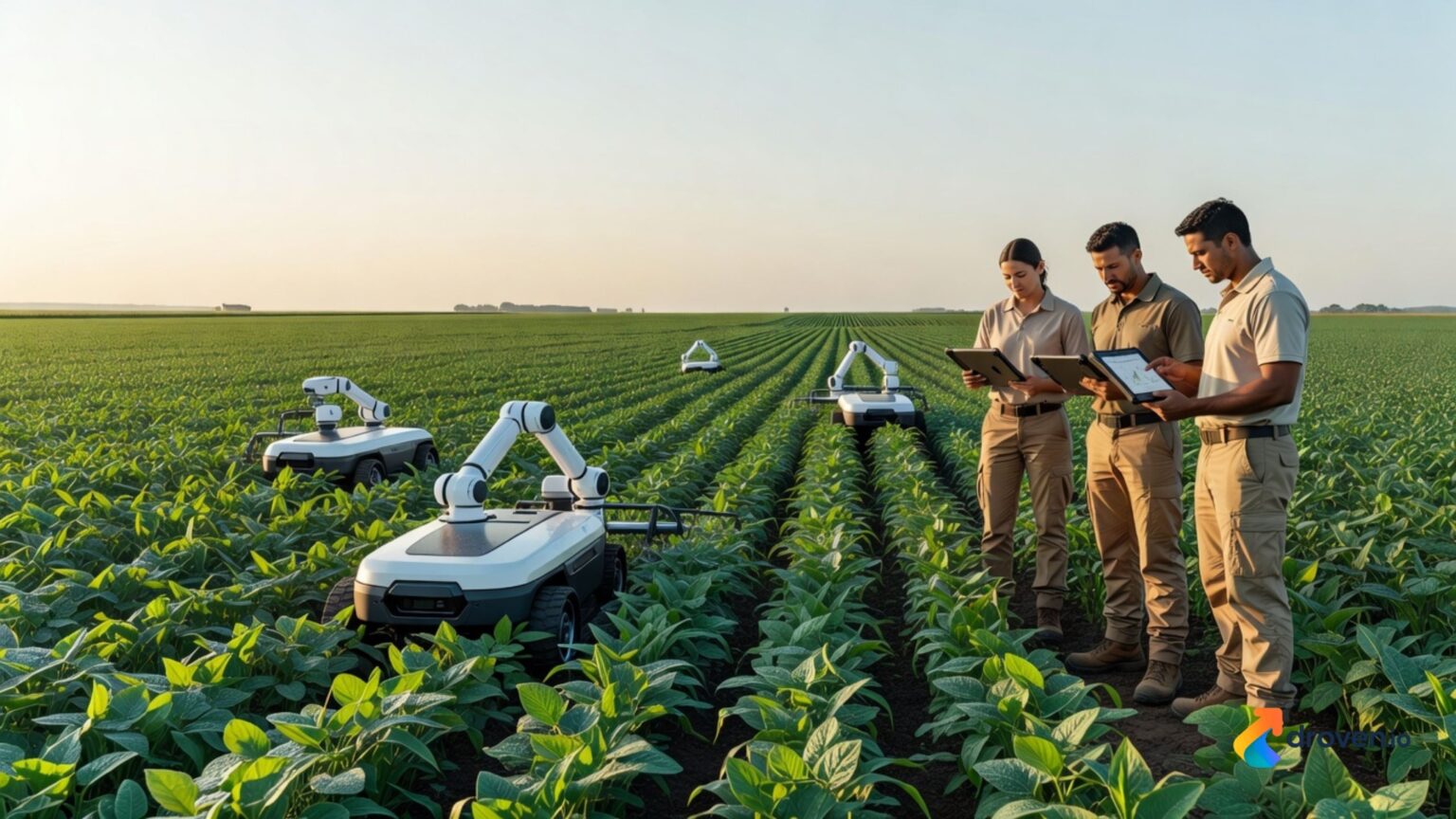
Agriculture is undergoing a significant technological transformation as automation, artificial intelligence, and robotics become increasingly integrated into farming operations. These innovations help farmers improve efficiency, reduce repetitive manual work, and support more precise field management. Greenfield Robotics is a company focused on developing robotic technologies for agriculture, with an emphasis on helping farmers manage crops through autonomous systems and precision farming approaches.
As labor availability, production costs, and sustainability remain important considerations across the agricultural sector, robotic technologies are becoming valuable tools for supporting modern farming practices. This guide explains Greenfield Robotics, the role of agricultural robotics, practical applications, and how automation is shaping the future of farming.
What Is Greenfield Robotics?
Greenfield Robotics is a company focused on developing autonomous robotic systems for agricultural applications. Its work centers on using robotics to support farming operations through technologies that help improve field management and operational efficiency.
Depending on the specific solution, agricultural robotics may assist with:
- Field monitoring
- Crop management
- Weed control
- Data collection
- Autonomous navigation
- Precision agriculture
- Farm analytics
The available capabilities depend on the equipment, software, and deployment environment.
Why Greenfield Robotics Matters
Agricultural businesses face ongoing challenges such as labor shortages, rising production costs, and the need to improve resource efficiency.
Robotic technologies can help farmers:
- Improve operational efficiency
- Reduce repetitive manual work
- Collect field data
- Support precision agriculture
- Improve decision-making
- Enhance sustainability efforts
Actual results vary depending on crop type, farm size, environmental conditions, and implementation.
How Greenfield Robotics Supports Precision Agriculture
Autonomous Field Operations
Autonomous robots can perform selected farming tasks while following programmed routes or guidance systems.
Potential applications include:
- Field scouting
- Crop inspection
- Weed management
- Data collection
The exact functions depend on the robotic platform and farm requirements.
Data Collection
Agricultural robots can collect field information that may help farmers better understand crop conditions.
Examples include:
- Plant growth observations
- Field mapping
- Crop variability
- Environmental measurements
Collected data supports informed farm management decisions.
Key Technologies Behind Greenfield Robotics
Artificial Intelligence
AI can assist agricultural robots by helping process field information and recognize patterns that support operational decisions.
Machine Vision
Machine vision systems enable robots to identify crops, weeds, and other field conditions through cameras and image analysis.
Performance depends on environmental conditions and system design.
GPS Navigation
Many autonomous agricultural systems use satellite positioning to navigate fields accurately.
Navigation technology supports consistent coverage during field operations.
Sensors
Agricultural robots may incorporate sensors that monitor:
- Soil conditions
- Plant characteristics
- Environmental factors
- Equipment performance
Sensor configurations vary by application.
Benefits of Agricultural Robotics
Improved Efficiency
Automation may reduce the amount of time required for repetitive field activities.
Precision Resource Management
Precision farming technologies help farmers make more targeted decisions regarding crop management.
Data-Driven Farming
Access to detailed field information supports planning and operational analysis.
Sustainability
Some robotic technologies aim to improve resource efficiency by supporting more precise agricultural practices.
Environmental outcomes depend on many operational factors.
Applications of Greenfield Robotics
Weed Management
Autonomous robots may assist with identifying and managing weeds through targeted field operations.
The specific methods depend on the equipment and farming system.
Crop Monitoring
Robotic systems can help monitor crop conditions throughout the growing season.
Information collected may assist with identifying areas that require further evaluation.
Farm Mapping
Field mapping supports better understanding of land conditions and crop variability.
Digital maps may assist with long-term planning.
Research
Agricultural researchers may use robotic systems to collect consistent field data during research projects.
Industries That Benefit
Agricultural robotics may support:
- Crop farming
- Agricultural research
- Sustainable agriculture
- Precision farming
- Farm technology development
The suitability of robotic solutions depends on each operation’s objectives and production system.
Choosing Agricultural Robotics Solutions
Before investing in robotic technology, consider:
Farm Size
Different solutions may be designed for different operational scales.
Crop Type
Equipment should match the crops and farming practices used on the property.
Technical Support
Reliable technical assistance can support installation, maintenance, and ongoing operation.
Data Integration
Some systems integrate with existing farm management software to improve operational visibility.
Compatibility varies between platforms.
Best Practices for Agricultural Technology Adoption
Organizations considering robotics should:
- Define operational objectives.
- Evaluate existing farming processes.
- Train operators appropriately.
- Review maintenance requirements.
- Monitor performance regularly.
- Assess long-term return on investment.
Successful adoption typically involves gradual implementation and ongoing evaluation.
Future of Greenfield Robotics
Agricultural robotics continues evolving through advances in:
- Artificial intelligence
- Autonomous navigation
- Precision agriculture
- Machine learning
- Smart sensors
- Digital farm management
As technology develops, robotic systems are expected to play an increasingly important role in supporting efficient and sustainable farming practices.
Frequently Asked Questions
1. What is Greenfield Robotics?
Greenfield Robotics is a company focused on developing autonomous robotic technologies for agricultural applications, including precision farming and field management.
2. What does Greenfield Robotics develop?
The company develops robotic systems designed to support agricultural operations such as crop monitoring, field data collection, and precision farming activities.
3. How can agricultural robots help farmers?
Agricultural robots may improve operational efficiency, support field monitoring, collect data, and assist with precision farming practices.
4. Is artificial intelligence used in agricultural robotics?
Yes. Many agricultural robotic systems use AI alongside sensors and machine vision to process information and support automated operations.
5. Can agricultural robots replace farmers?
No. Agricultural robots are generally designed to assist farmers by automating selected tasks while leaving planning, oversight, and management to people.
6. What should farmers consider before adopting agricultural robotics?
Farm size, crop type, technical support, integration capabilities, maintenance requirements, and long-term operational goals are all important considerations.
Conclusion
Greenfield Robotics reflects the growing role of automation and artificial intelligence in modern agriculture. By supporting precision farming, autonomous field operations, and data-driven decision-making, agricultural robotics can help farmers improve efficiency while adapting to changing production challenges. Although robotic systems are not a replacement for agricultural expertise, they can complement traditional farming practices by assisting with repetitive tasks and providing valuable operational insights. As agricultural technology continues to advance, solutions developed by companies such as Greenfield Robotics are likely to contribute to more efficient and sustainable farming practices.
