
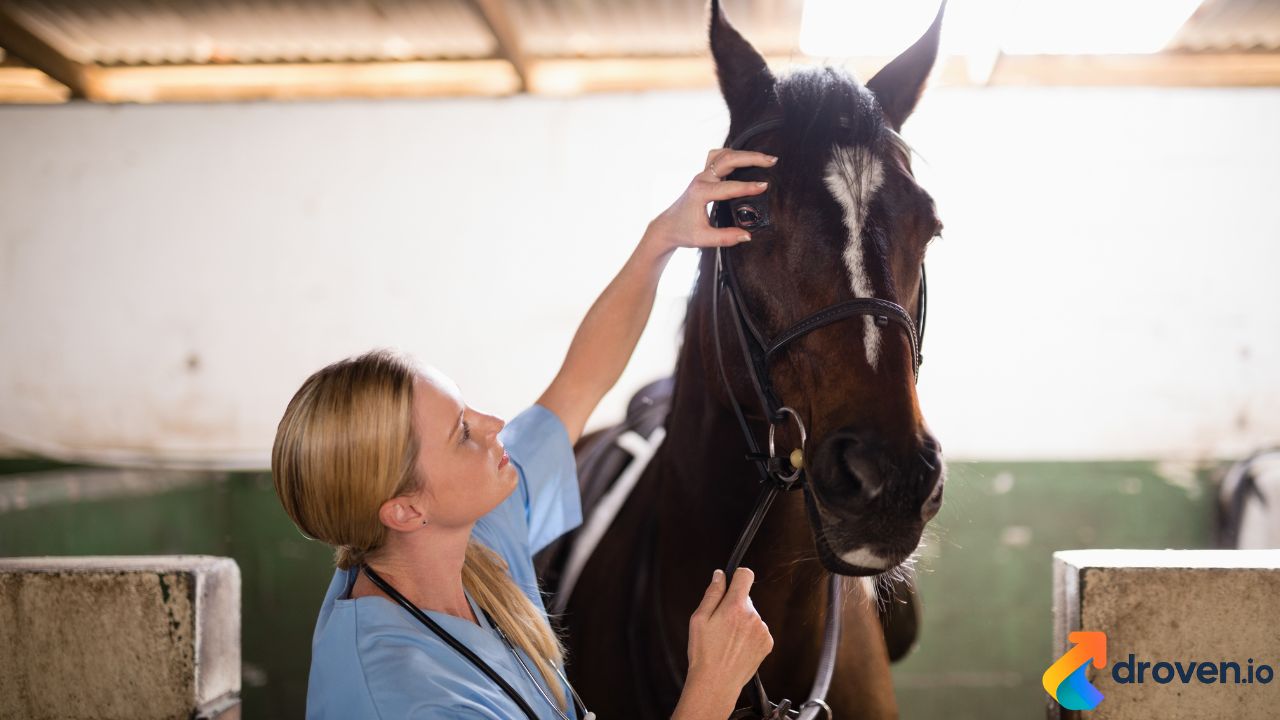
Owning a horse can be an incredibly rewarding experience, but it also comes with significant responsibilities and financial commitments. One of the largest recurring expenses for horse owners is boarding. For individuals who do not have enough land or facilities to keep a horse at home, boarding provides a practical solution. However, horse boarding costs and smart alternatives are important considerations for anyone planning to care for a horse responsibly.
Horse boarding involves paying a stable or facility to house and care for a horse. These services often include feeding, stall cleaning, pasture access, and sometimes training or riding facilities. Prices can vary widely depending on location, services offered, and the quality of the facility.
Because boarding can become expensive over time, many horse owners explore alternative solutions that reduce costs while still providing proper care and living conditions for their horses.
What Is Horse Boarding?
Horse boarding refers to the practice of housing a horse at a facility that provides daily care and management. Boarding facilities are often called stables, barns, or equestrian centers.
Typical services included in horse boarding may involve:
- Stall housing
- Feeding and watering
- Daily turnout to pasture
- Stall cleaning
- Basic health monitoring
Many facilities also provide additional services such as riding arenas, grooming areas, and training programs.
Understanding horse boarding costs and smart alternatives helps owners choose the most suitable care arrangement for their horses.
Types of Horse Boarding Options
Different boarding facilities offer various levels of service. These options influence the overall cost of boarding.
Full Board
Full board is the most comprehensive service. The facility staff handles most daily tasks such as feeding, stall cleaning, turnout, and general care.
This option is convenient for owners who cannot visit the stable daily.
Partial Board
Partial board involves shared responsibilities between the owner and the facility. Owners may be responsible for tasks like feeding or stall cleaning on certain days.
This option typically costs less than full board.
Self-Care Board
Self-care boarding provides a stall or pasture space, but the owner is responsible for all daily care tasks.
Owners must supply feed, clean stalls, and manage horse care independently.
Pasture Board
Pasture boarding allows horses to live outdoors in fenced pastures rather than stalls. Horses often have shelter but spend most of their time grazing.
This is often one of the more affordable boarding options.
Each type of boarding plays a role in understanding horse boarding costs and smart alternatives.
Average Horse Boarding Costs
Boarding costs vary depending on the region, facility quality, and services provided.
Typical monthly boarding costs may range from:
- $200 to $500 for pasture boarding
- $400 to $900 for partial board
- $700 to $1,500 or more for full board at premium facilities
Urban areas and equestrian communities with high demand often have higher boarding prices.
These costs can increase further when additional services such as training or specialized feeding programs are included.
Factors That Influence Boarding Costs
Several factors affect the price of horse boarding.
Location
Facilities located near cities or popular equestrian regions often charge higher fees.
Facility Quality
Modern barns with advanced amenities, indoor arenas, and grooming areas may cost more.
Feed and Care Services
Premium feed programs and personalized horse care can increase boarding fees.
Veterinary and Farrier Access
Some facilities provide easier access to veterinary services and farriers, which may influence pricing.
Understanding these factors helps horse owners evaluate horse boarding costs and smart alternatives more effectively.
Additional Expenses Beyond Boarding
Boarding fees are only part of the overall cost of horse ownership.
Horse owners must also consider:
- Veterinary care
- Farrier services
- Feed supplements
- Tack and equipment
- Training or riding lessons
These additional costs can significantly increase the total financial commitment of owning a horse.
Benefits of Boarding Facilities
Despite the cost, boarding facilities provide several advantages for horse owners.
Professional Care
Experienced staff monitor horse health and behavior.
Access to Riding Facilities
Many barns provide arenas, trails, and training areas.
Social Environment
Horses benefit from social interaction with other horses.
Safety and Security
Well-managed facilities offer secure environments with proper fencing and supervision.
These benefits explain why many owners choose professional boarding.
Smart Alternatives to Traditional Horse Boarding
Because boarding can be expensive, some horse owners explore alternative care solutions.
Shared Boarding Arrangements
Some owners share boarding spaces and responsibilities, splitting costs with other horse owners.
Co-Op Boarding
Cooperative boarding involves several owners managing a facility together to reduce expenses.
Leasing Land
Owners may lease land and build basic shelters to house horses at lower costs.
Backyard Horse Keeping
If local regulations allow, some horse owners keep horses on private property.
Exploring horse boarding costs and smart alternatives helps reduce financial strain while maintaining proper horse care.
Tips for Reducing Horse Boarding Costs
Horse owners can use several strategies to manage expenses.
Choose Pasture Boarding
Pasture boarding is often more affordable than stall boarding.
Participate in Stable Duties
Some facilities offer reduced rates for owners who assist with chores.
Share Transportation Costs
Horse owners can share transportation expenses when traveling to stables or events.
Compare Multiple Facilities
Evaluating different barns helps identify more affordable options.
These strategies can make horse ownership more financially manageable.
Choosing the Right Boarding Facility
Selecting the right boarding facility requires careful evaluation.
Important considerations include:
Facility Cleanliness
Clean stalls and well-maintained pastures indicate responsible management.
Horse Health and Safety
Check fencing quality, water availability, and shelter conditions.
Staff Experience
Experienced caretakers improve the quality of horse care.
Facility Amenities
Consider whether riding arenas, trails, and storage areas meet your needs.
Careful research ensures that horse owners find a facility that balances cost and quality.
Long-Term Financial Planning for Horse Owners
Horse ownership is a long-term commitment that requires financial planning.
Owners should consider:
- Emergency veterinary funds
- Long-term boarding costs
- Insurance coverage
- Equipment replacement costs
Planning ahead helps horse owners maintain stable care arrangements.
Future Trends in Horse Boarding
The equestrian industry continues evolving to provide more flexible boarding options.
Emerging trends include:
Eco-Friendly Stables
Sustainable barns using environmentally friendly practices.
Community Boarding Models
Shared facilities that reduce costs through collaboration.
Technology in Horse Care
Smart monitoring systems that track horse health and activity.
These developments may help address rising horse boarding costs and smart alternatives in the future.
FAQs
What is horse boarding?
Horse boarding is a service where a stable or facility provides housing and care for a horse.
How much does horse boarding cost per month?
Costs can range from around $200 for pasture boarding to over $1,500 for full-service boarding at premium facilities.
What is the cheapest type of horse boarding?
Pasture boarding or self-care boarding is usually the most affordable option.
Can horses be kept at home instead of boarding?
Yes, if owners have adequate land, facilities, and local regulations allow it.
What services are included in full boarding?
Full board usually includes feeding, stall cleaning, turnout, and general care.
Are there alternatives to traditional horse boarding?
Yes. Alternatives include cooperative boarding, land leasing, shared facilities, and backyard horse keeping.
