
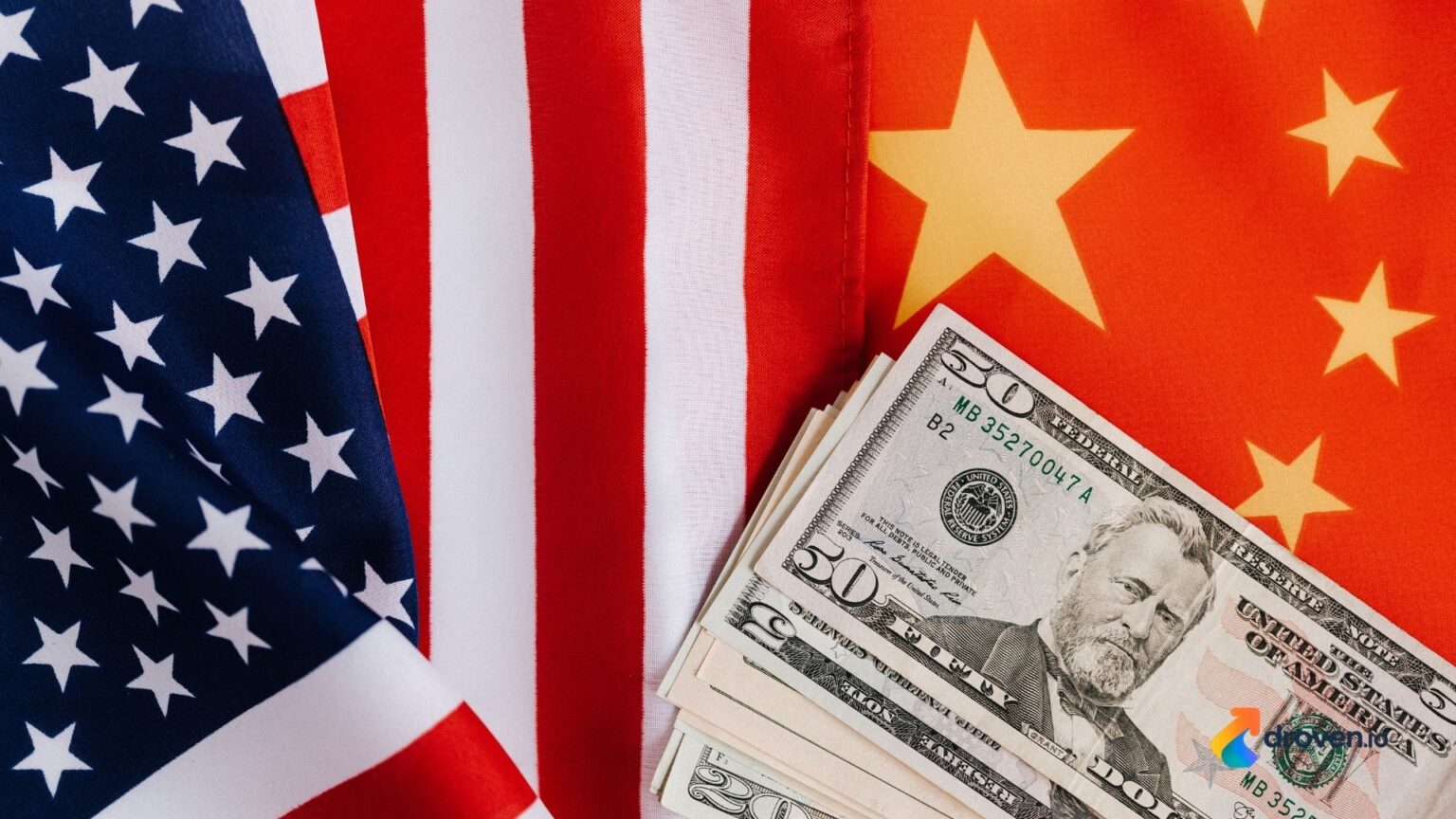
International investing allows investors to diversify beyond domestic markets and gain exposure to companies across the globe. However, one important factor that many investors overlook is currency exchange. Understanding exactly how a strong dollar affects international ETFs can help investors better interpret portfolio performance and make more informed investment decisions. When the U.S. dollar strengthens against foreign currencies, the value of overseas investments may change after they are converted back into U.S. dollars, even if the underlying investments perform well in their local markets.
Understanding how a strong dollar affects international ETFs is essential because exchange-rate movements can influence the returns investors receive after foreign assets are converted back into U.S. dollars. This guide explains how a strong dollar affects international ETFs, the benefits and risks involved, and strategies investors commonly use to manage currency-related fluctuations.
What Are International ETFs?
International Exchange-Traded Funds (ETFs) are investment funds that provide exposure to companies located outside an investor’s home country. Rather than purchasing individual foreign stocks, investors can buy a single ETF that holds a diversified portfolio of international companies.
Common types of international ETFs include:
- Developed market ETFs
- Emerging market ETFs
- Regional ETFs
- Country-specific ETFs
- International dividend ETFs
- Global equity ETFs
These funds help investors diversify their portfolios while participating in economic growth across multiple regions.
How a Strong Dollar Affects International ETFs
Currency movements can significantly influence investment returns.
When international stocks generate returns in their local currencies, those returns must eventually be converted into U.S. dollars for American investors.
If the dollar strengthens during that period, foreign currency gains may translate into smaller dollar-denominated returns.
For this reason, investors should evaluate both market performance and exchange-rate movements when investing internationally.
How a Strong Dollar Affects International ETFs Through Currency Exchange
Currency Conversion Impacts Returns
One of the primary ways a strong dollar affects international ETFs is through currency conversion.
For example:
- A European stock increases 12% in euros.
- During the same period, the euro declines against the U.S. dollar.
- After converting the investment back into dollars, the investor’s overall return may be lower than the stock’s local-market performance.
This currency effect can either reduce or increase returns depending on exchange-rate movements.
Exchange Rates Can Offset Market Gains
Strong international stock performance does not always translate into equally strong returns for U.S. investors.
Currency fluctuations sometimes offset part of the gains earned in foreign markets.
Understanding this relationship helps investors develop realistic performance expectations.
How a Strong Dollar Affects Different International ETFs
Developed Market ETFs
how a strong dollar affects international ETFs, Developed market funds often invest in countries such as:
- Japan
- Germany
- France
- United Kingdom
- Canada
- Australia
Currency changes involving these economies may influence ETF returns differently depending on regional conditions.
Emerging Market ETFs
Emerging markets often experience greater currency volatility.
Because of this, emerging market ETFs may experience larger currency-related gains or losses than many developed-market funds.
Currency exposure varies across individual countries and economic environments.
Currency-Hedged vs. Unhedged International ETFs
Currency-Hedged ETFs
Currency-hedged ETFs attempt to reduce the impact of exchange-rate movements through hedging strategies.
Potential advantages include:
- Reduced currency volatility
- Returns that more closely reflect local market performance
- Lower sensitivity to dollar strength
However, hedging strategies may involve additional costs and may not always improve investment performance.
Unhedged International ETFs
Unhedged ETFs allow currency movements to directly affect investment returns.
Advantages may include:
- Potential benefits when foreign currencies strengthen
- Simpler investment structure
- Lower costs compared to some hedged alternatives
Investors researching how a strong dollar affects international ETFs should compare both currency-hedged and unhedged funds before making investment decisions.
Benefits of International ETF Investing Despite Dollar Strength
How a strong dollar affects international ETFs, Although a strong dollar may temporarily reduce returns, international ETFs continue to provide important diversification benefits.
Advantages include:
- Geographic diversification
- Exposure to global industries
- Access to international innovation
- Reduced dependence on a single economy
- Long-term portfolio diversification
Many investors maintain international exposure despite changing currency conditions.
Risks Investors Should Understand
In addition to currency movements, international investing involves several other risks.
These include:
- Political uncertainty
- Economic slowdowns
- Regulatory changes
- Interest rate fluctuations
- Geopolitical events
- Market volatility
Currency risk represents only one component of international investment risk.
Strategies for Managing Currency Risk
Investors concerned about exchange-rate movements may consider several approaches.
Diversify Across Regions
Investing in multiple countries may reduce exposure to any single currency.
Review Currency Exposure
Before investing, examine whether an ETF is:
- Currency hedged
- Partially hedged
- Unhedged
Understanding the fund’s investment strategy helps set realistic expectations.
Focus on Long-Term Investing
Currency movements often fluctuate over time.
Many long-term investors maintain diversified portfolios rather than making investment decisions based solely on short-term exchange-rate changes.
Rebalance Your Portfolio
Periodic portfolio reviews help maintain asset allocations aligned with investment objectives and risk tolerance.
Factors That Influence Dollar Strength
Several economic factors may contribute to a stronger U.S. dollar.
Examples include:
- Higher U.S. interest rates
- Strong economic growth
- Lower inflation relative to other countries
- Increased global demand for U.S. assets
- Monetary policy decisions
- Market uncertainty
Currency markets are dynamic, and exchange rates can change in response to global economic developments.
Common Misconceptions About International ETFs
A Strong Dollar Always Makes International ETFs Poor Investments
Not necessarily.
Currency is only one factor affecting investment performance.
Company earnings, economic growth, valuations, and diversification also influence long-term returns.
Currency Risk Cannot Be Managed
While currency risk cannot be eliminated completely, investors can evaluate hedged investment options, diversify globally, and maintain balanced portfolios.
Best Practices for International ETF Investors
To build a stronger investment strategy:
- Understand the ETF’s investment objective.
- Review geographic allocations.
- Evaluate currency exposure.
- Consider expense ratios.
- Monitor portfolio diversification.
- Align investments with your long-term financial goals.
- Consult a qualified financial professional when appropriate.
These practices support informed investment decision-making.
Frequently Asked Questions
1. How does a strong dollar affect international ETFs?
A stronger U.S. dollar can reduce the value of foreign investment returns after they are converted into U.S. dollars, even if overseas markets perform well.
2. Should I avoid international ETFs when the dollar is strong?
Not necessarily. Many investors continue investing internationally because diversification and long-term growth opportunities remain important considerations.
3. What is a currency-hedged ETF?
A currency-hedged ETF uses financial strategies designed to reduce the impact of exchange-rate fluctuations on investment returns.
4. Are emerging market ETFs more affected by currency changes?
Emerging market currencies may experience greater volatility, which can result in larger currency-related effects on investment returns.
5. Can a weaker dollar benefit international ETFs?
Yes. If foreign currencies strengthen relative to the U.S. dollar, currency conversion may increase returns for U.S.-based investors.
6. How does a strong dollar affect international ETFs?
A stronger U.S. dollar may reduce the value of foreign investment returns after currency conversion, which is one reason understanding how a strong dollar affects international ETFs is important.
Conclusion
Understanding how a strong dollar affects international ETFs can help investors build a more diversified portfolio and make informed decisions during changing currency cycles. While currency movements can influence short-term returns, they should be considered alongside broader factors such as company fundamentals, economic conditions, and long-term investment objectives. International ETFs continue to offer valuable diversification and access to global markets, even during periods of dollar strength. By evaluating currency exposure, understanding the differences between hedged and unhedged funds, and maintaining a disciplined investment strategy, investors can make more informed decisions that support their long-term financial goals.
