
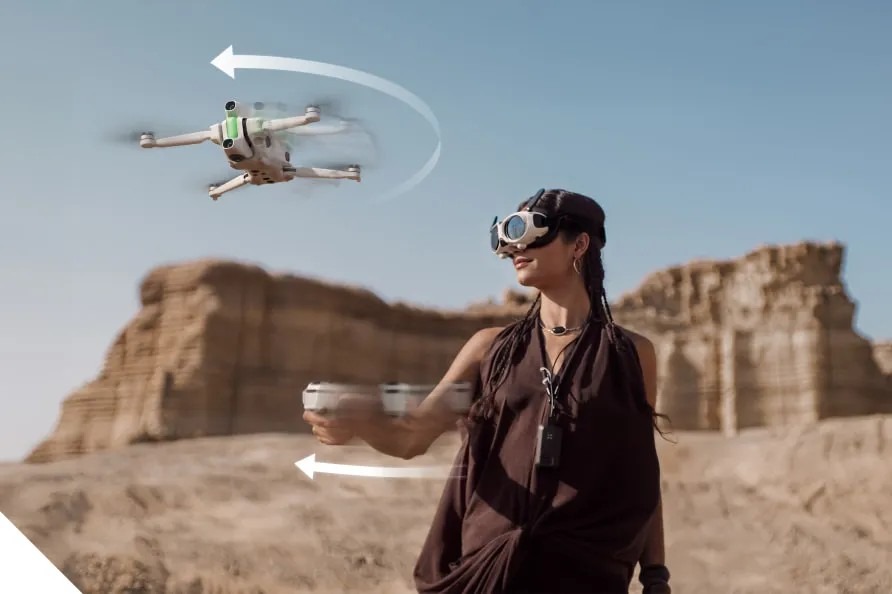
Antigravity Vision Goggles and DJI Goggles N3 target the same core need: giving pilots a clear, immersive first-person view while flying. The better experience comes down to more than basic image output. Display quality, field of view, optical design, comfort, fit adjustment, and practical features all shape how natural the goggles feel in real use. On those points, Antigravity Vision Goggles has clear advantages in immersion, wearability, and personalization, while DJI Goggles N3 offers slightly longer stated battery life and phone-based live viewing. For pilots who care most about visual clarity and comfort over longer sessions, the gap is meaningful. This comparison looks closely at where each model performs well, where compromises appear, and which goggles make more sense for a better day-to-day flying experience overall for most users.
Display and Immersion: How Much Does the Viewing Experience Matter?
Micro-OLED, Resolution, Refresh Rate, and Visual Clarity
Display quality has an immediate effect on confidence and enjoyment in flight. Antigravity Vision Goggles uses a Micro-OLED display with 2560 × 2560 resolution per eye and a 72 Hz refresh rate, which delivers a sharper, cleaner, more refined image than DJI Goggles N3’s single 1080p LCD display at up to 60 Hz. Antigravity Vision Goggles also uses TÜV Rheinland Low Blue Light certification, a useful detail for longer viewing. In practice, Antigravity Vision Goggles presents finer detail, stronger perceived contrast, and a more premium visual experience during flight.
Why a 90° FOV and Pancake Optics Change the Experience
Field of view strongly influences how open or restricted flight feels. Antigravity Vision Goggles provides a 90° diagonal FOV per eye, described as two-thirds larger than DJI Goggles N3, while DJI Goggles N3 offers a much narrower 54° diagonal view. That difference is substantial in actual use, making Antigravity Vision Goggles feel more expansive and less tunnel-like. Its pancake optical display system also helps create a thinner design with the display positioned closer to the eyes. Combined, the wider view and optics make Antigravity Vision Goggles more immersive and visually natural in motion.
Comfort and Fit for Longer Flying Sessions
Weight, Size, and Wearability in Real-World Use
Comfort matters most after the first few minutes of use, when weight and balance become noticeable. Antigravity Vision Goggles weigh 340.4 g including the spacer, face cushion, and head strap, with a separate split battery design that helps reduce front heaviness. DJI Goggles N3 weighs 536 g including the battery and head strap, and its larger body can feel bulkier on the face. The rear battery strap does not fully offset front weight. For longer sessions, Antigravity Vision Goggles is easier to wear and generally feel less fatiguing.
IPD and Diopter Adjustment for a More Personal Fit
Fit adjustment is one of the biggest practical differences between these goggles. Antigravity Vision Goggles supports IPD adjustment from 59–72 mm and diopter adjustment from +2.00 D to -5.00 D, with an official -3.00 D corrective lens option available. That allows many users to fine-tune focus and eye alignment without extra eyewear. DJI Goggles N3 offers neither adjustable IPD nor diopter control, so users must wear prescription glasses inside if needed. That approach is less elegant and can reduce comfort, especially with larger frames.
Flight Features That Affect Everyday Experience
See-Through View, External Display, and Built-In Recording
Practical features often shape convenience as much as pure image quality. Antigravity Vision Goggles supports see-through view, which makes transitions between flying and the surrounding environment more convenient. It also includes an external display that can show the flight view in real time, making it easier to share the experience with others nearby. Built-in recording is supported as well, using INSV format and 30 GB of internal storage. DJI Goggles N3 lacks a see-through view, has no external display, and offers no built-in storage for recording.
Battery Life, Connectivity, and Panoramic Video Playback
Battery performance is close, but the strengths differ. Antigravity Vision Goggles is rated for 2.5 hours under specified test conditions, while DJI Goggles N3 is rated for 2.7 hours, giving N3 a slight edge on paper. However, Antigravity Vision Goggles supports panoramic video playback and does so alongside its stronger display and comfort profile. DJI Goggles N3 also supports panoramic playback through a microSD card and can connect to a phone via USB Type-C for a second live feed in the app. Antigravity Vision Goggles cannot connect to a phone.
Which Flight Goggles Deliver the Better Overall Experience?
Where Antigravity Vision Goggles Fit Into the Antigravity A1 Flight Experience
Within the Antigravity A1 experience, Antigravity Vision Goggles feel designed to elevate flight rather than simply display it. The combination of high-resolution Micro-OLED visuals, a wide 90° field of view, lighter build, Pancake optics, and personalized fit adjustments creates a more polished connection between the pilot, aircraft, and drone camera. Features like see-through view, external sharing, built-in storage, and panoramic playback further support that premium feel. For users who want a more immersive perspective from their drone camera, Antigravity Vision Goggles is the stronger match for the A1 ecosystem.
The Role of DJI Goggles N3 in the DJI Avata 360-Degree Flight Experience
Within the DJI Avata 360-degree flight experience, DJI Goggles N3 is designed to provide a practical and accessible way for pilots to view and control their flights. Its 1080p LCD display, up to 60 Hz refresh rate, and 54° diagonal field of view deliver a straightforward FPV viewing experience for everyday flying. The goggles also support panoramic video playback through a microSD card and allow users to connect a phone via USB Type-C for an additional live video feed through the DJI Fly app. With a 2.7-hour battery life, DJI Goggles N3 offers reliable session time for casual pilots. While it lacks features such as adjustable IPD, diopter adjustment, see-through view, and built-in storage, it remains a practical option for users who value simple operation and essential flight viewing functions within the DJI Avata ecosystem.
Conclusion
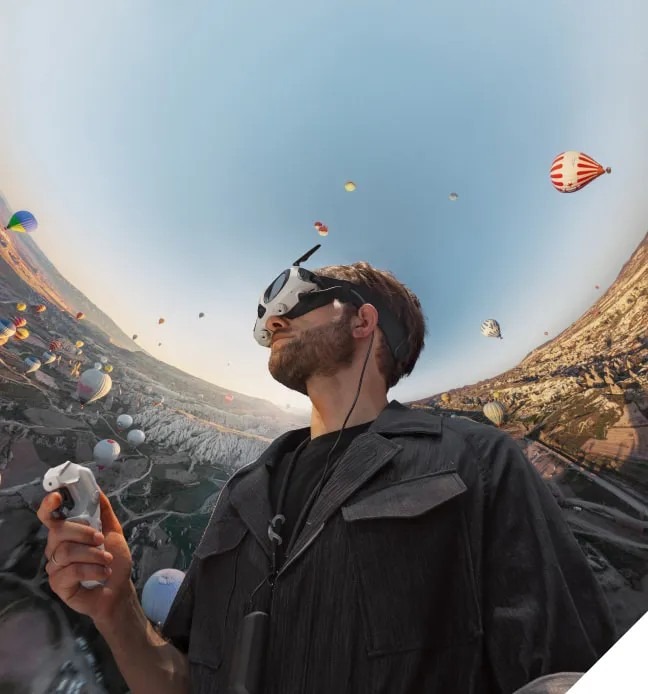
Choosing between these two goggles ultimately depends on what kind of experience a pilot values beyond the specification sheet. Antigravity Vision Goggles stands out by bringing high-end optics, flexible vision correction, a lighter form factor, and several thoughtful usability functions into one cohesive design. DJI Goggles N3 remains competitive for users who value extra runtime and smartphone connectivity, but its simpler display system and limited adjustment leave less room for a tailored experience. Antigravity Vision Goggles offers a more complete approach, especially for pilots who expect their goggles to support both engaging flights and convenient everyday use. For those priorities, it is the more compelling choice of the two.
