
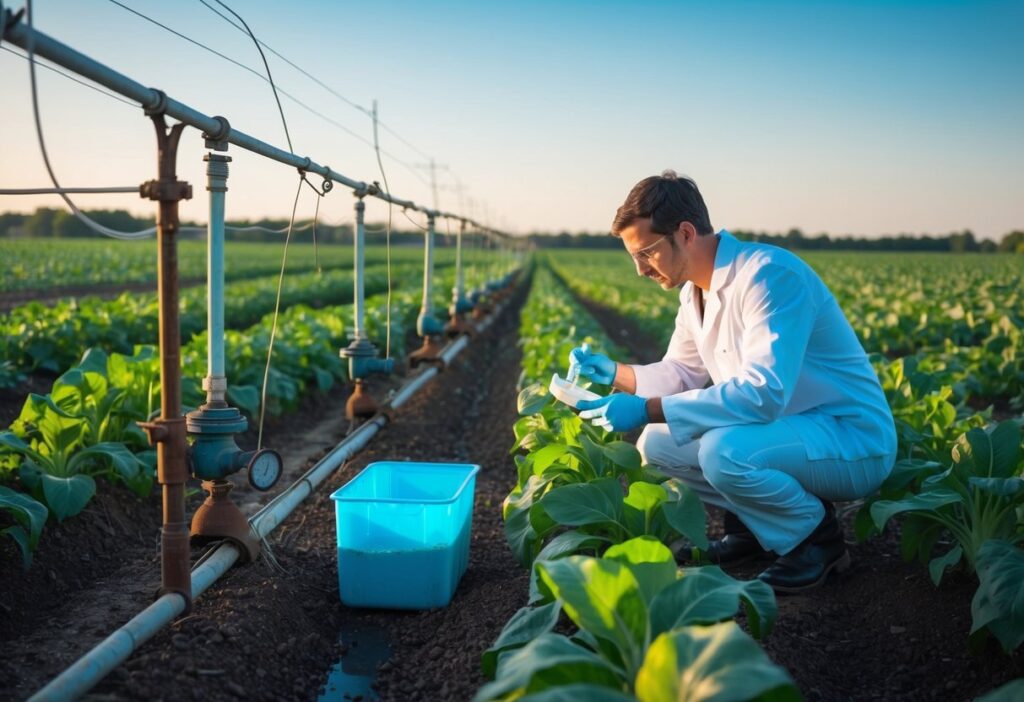
The rolling avocado orchards of San Diego County depend on intricate irrigation systems to deliver water efficiently during the region’s extended dry spells. Growers often notice that valves—those critical control points in the underground network—become sluggish, leak, or fail to close tightly. The root cause is not always a broken part or a manufacturing flaw. Instead, the distinctive “hard” water found in this area quietly builds up inside irrigation valves, leading to costly repairs, water waste, and, ultimately, tree stress or loss. Understanding how hard water deposits form and attack irrigation valves is essential for anyone managing avocado orchards in this region.
San Diego’s water supply, drawn from both local reservoirs and imported sources, carries a heavy load of dissolved minerals like calcium and magnesium. These minerals settle inside the complex pathways of irrigation valves, forming stubborn deposits that block, corrode, or jam moving parts. As the deposits grow, valves lose efficiency and can even fail entirely, risking both the orchard’s productivity and the grower’s bottom line. Addressing this challenge requires a clear grasp of the water’s chemistry and how it interacts with every component of the irrigation system.
San Diego County Water Profile and Avocado Farming Challenges
Growers in San Diego County rely on a mix of municipal and well water. This region’s water is classified as hard due to its high mineral content, specifically calcium carbonate and magnesium. Hard water is a persistent factor in local avocado agriculture, and its impact is especially pronounced in pressurized irrigation systems where water flows through miles of pipes, valves, and emitters.
Avocado trees are sensitive to both over- and under-watering, so precise irrigation control is critical. Valve reliability is non-negotiable—any malfunction can cause uneven water distribution across an orchard block. As outlined in the effects of hard water on agricultural equipment, even a thin layer of mineral buildup inside a valve can disrupt normal operation, making it difficult for growers to maintain optimal soil moisture.
San Diego’s warm climate and seasonal droughts make water conservation a top priority. Leaking or stuck valves, often traced back to mineral scale, result in wasted water and higher operating costs. The combination of hard water and sensitive crops creates a cycle of maintenance headaches that many avocado growers know all too well.
Mineral Buildup Mechanics Inside Agricultural Irrigation Infrastructure
Inside an avocado orchard’s irrigation system, water moves under pressure through control valves made of brass, plastic, or stainless steel. When hard water flows through these valves, dissolved minerals start to precipitate—meaning they come out of solution and form solid crystals—whenever the water slows down or changes temperature. This process, known as scaling, leaves behind chalky deposits along valve seats and diaphragms.
These mineral deposits do more than just narrow the waterway. They roughen valve surfaces, creating resistance that interferes with seals and moving parts. Over time, scale can accumulate to the point that a valve no longer closes completely, or becomes difficult to operate by hand or remote actuator. According to common causes of scale formation in irrigation systems, even high-quality valves are vulnerable if hard water is allowed to run untreated.
For those managing orchards in the Fallbrook area, consulting a Plumber in Fallbrook who is familiar with local hard water issues can help pinpoint exact trouble spots and recommend targeted cleaning or replacement routines. This service provider can often identify buildup before it causes permanent valve damage.
Operational Failures Caused by Scale in Orchard Valve Systems
Mineral scaling inside irrigation valves directly impacts daily operations in avocado orchards. One visible problem is water leaking from the valve even when it is supposed to be shut off. This type of slow leak is often due to deposits preventing the valve seat from sealing properly, causing persistent wet spots around the valve box and wasting water.
Another common failure is partial or complete blockage. As scale thickens, it restricts flow through the valve, starving downstream trees of water and exposing crops to drought stress. In automated irrigation setups, scale can interfere with the movement of solenoids—the small devices that open and close valves—leading to missed watering cycles and unpredictable irrigation schedules.
Over time, these operational headaches escalate into larger infrastructure problems. Severe scaling can corrode internal metal components or crack plastic parts, forcing growers to replace entire valves instead of just cleaning or repairing them. The result is higher costs, more frequent downtime, and a greater risk of crop loss during critical growing periods.
Mitigation Strategies for Protecting Irrigation Networks from Hard Water
Preventing hard water deposits starts with water testing. Regular analysis identifies the mineral content and helps growers choose the right filtration or treatment system for their needs. Mechanical filters can trap larger particles, but dedicated water softeners or acid injection systems are often needed to address dissolved minerals before they can form scale inside valves.
Routine maintenance is equally important. Flushing valve boxes, inspecting for early signs of buildup, and using specialty cleaning solutions can extend the lifespan of valves and maintain consistent water flow. Some growers opt for valves with internal coatings designed to resist mineral adhesion, while others schedule periodic service visits from professionals familiar with local water chemistry.
For avocado orchards in San Diego County, adapting irrigation management practices to account for hard water is not just a technical detail—it’s a critical safeguard for crop health and system reliability. Proactive steps reduce emergency repairs and help keep water use efficient throughout the growing season.
Conclusion
Start by testing your irrigation water for hardness and inspecting valves for early signs of scale. If you discover mineral buildup or valve malfunctions, prioritize cleaning and consider professional guidance suited to local water profiles. Protecting your avocado orchard’s irrigation system from hard water is an ongoing process that pays off in tree health, water savings, and long-term productivity.
