
Introduction
China has become one of the world’s leading manufacturing destinations, offering businesses access to a wide range of products, competitive pricing, and extensive supplier networks. Whether you are a startup, wholesaler, retailer, or established international brand, finding the right manufacturing partners is essential for building a successful supply chain.
However, sourcing products from multiple suppliers can be challenging. Managing different manufacturers, negotiating prices, checking product quality, and coordinating shipments often requires considerable time and resources.
This is where professional sourcing solutions make a difference. By choosing the right approach to find manufacturers in china, businesses can access trusted suppliers and streamline their procurement operations. Similarly, multi product sourcing allows companies to purchase different product categories through one coordinated sourcing process.
Why Should Businesses Find Manufacturers in China?
China offers a well-developed manufacturing ecosystem that serves industries across the globe. From electronics and textiles to furniture, home accessories, machinery, and consumer goods, international buyers can find manufacturers for almost every major product category.
According to China’s National Bureau of Statistics, manufacturing value added increased by 6.4% in 2025, demonstrating the continued importance of the country’s industrial sector.
Here are some major reasons businesses choose Chinese manufacturers:
1. Competitive Manufacturing Costs
Chinese manufacturers offer competitive production costs across numerous industries. Businesses can compare suppliers, negotiate bulk pricing, and explore different production options according to their budgets.
2. Wide Product Availability
China has extensive manufacturing networks covering different industries. Buyers can source electronics, clothing, packaging, household products, promotional items, and industrial components from different manufacturing regions.
3. Custom Manufacturing Opportunities
Many factories offer OEM (Original Equipment Manufacturing) and ODM (Original Design Manufacturing) services. This allows businesses to develop customized products, private-label collections, and branded merchandise.
4. Established Supply Chain Networks
China’s manufacturing ecosystem includes raw material suppliers, component manufacturers, packaging companies, and logistics providers. These interconnected networks can make international procurement more efficient.
How to Find Manufacturers in China: 5 Important Steps
Finding a manufacturer is not simply about choosing the lowest quotation. Businesses should evaluate suppliers carefully to ensure product quality, reliable communication, and consistent production.
1. Identify Your Product Requirements
Start by preparing a clear list of the products you want to purchase. Include product specifications, materials, dimensions, colors, packaging requirements, estimated quantities, and target prices.
Having detailed requirements helps manufacturers provide accurate quotations and reduces misunderstandings.
2. Research Potential Manufacturers
Explore different sourcing channels to identify potential suppliers. These may include:
- B2B marketplaces such as Alibaba and Made-in-China.
- Industry-specific trade exhibitions.
- Manufacturer directories.
- Professional sourcing companies.
- Direct factory referrals.
Compare multiple suppliers instead of relying on the first quotation you receive.
3. Verify Supplier Credentials
Supplier verification is an essential part of international sourcing. Before placing an order, check the company’s business registration, manufacturing capabilities, product certifications, and export experience.
You can also request factory photographs, production videos, product samples, and third-party inspection reports.
For larger orders, consider arranging an independent factory audit.
4. Request Samples and Compare Quotations
Never evaluate manufacturers based on price alone. Request product samples to examine material quality, workmanship, durability, and packaging.
Compare quotations based on:
- Unit price.
- Minimum order quantity (MOQ).
- Production lead time.
- Packaging costs.
- Payment terms.
- Shipping arrangements.
A slightly higher quotation may offer better quality and greater long-term value.
5. Establish Clear Supplier Communication
Successful sourcing depends on clear communication. Discuss product specifications, delivery schedules, quality expectations, payment conditions, and responsibilities before confirming an order.
Written agreements help protect both parties and reduce the risk of costly misunderstandings.
What Is Multi Product Sourcing and Why Does It Matter?
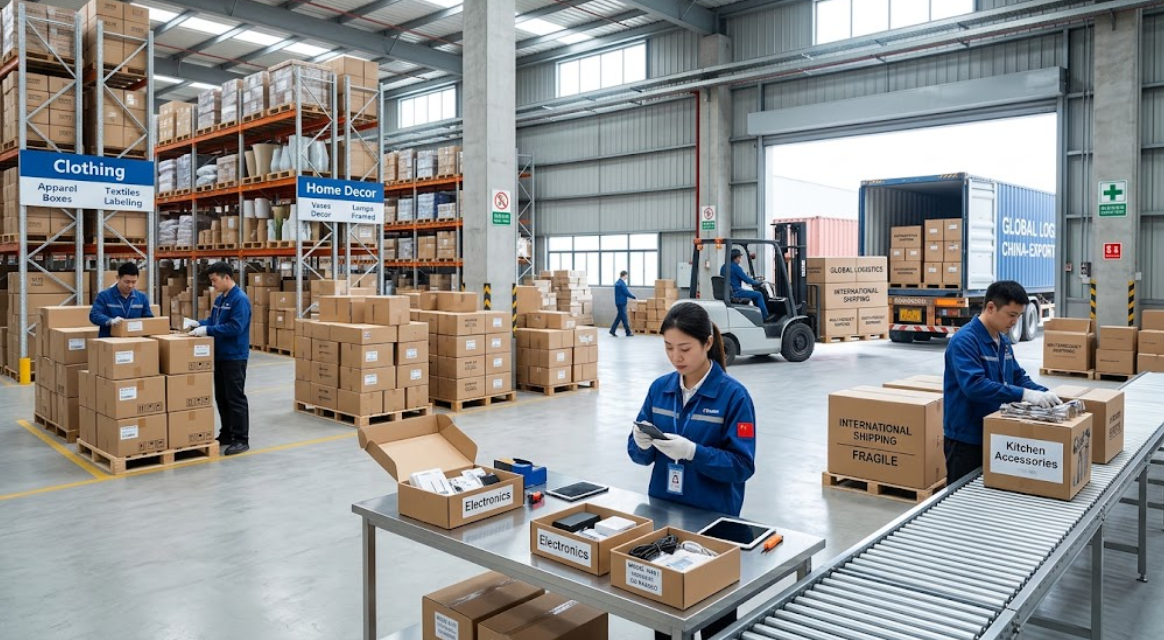
multi product sourcing is a procurement strategy that enables businesses to purchase different products or product categories from multiple manufacturers through one organized sourcing process.
For example, an international retailer may need:
- Kitchen accessories.
- Home decoration products.
- Electronic accessories.
- Clothing and textiles.
- Packaging materials.
- Promotional products.
Instead of independently managing every supplier, businesses can work with a sourcing partner to coordinate supplier research, quotations, samples, quality inspections, and shipment arrangements.
Key Benefits of Multi Product Sourcing
1. Simplified Supplier Management
Managing multiple factories requires time and coordination. A centralized sourcing approach helps businesses communicate requirements and monitor orders more efficiently.
2. Better Purchasing Opportunities
Working with multiple manufacturers allows buyers to compare prices, product specifications, and production capabilities before making purchasing decisions.
3. Reduced Procurement Complexity
Coordinating different suppliers can create challenges involving documentation, packaging, quality control, and shipment schedules. A structured sourcing process helps simplify these responsibilities.
4. Access to Multiple Product Categories
Businesses can expand their product ranges without depending on a single manufacturer. This creates opportunities to introduce new products and serve different customer segments.
5. Improved Supply Chain Coordination
Combining supplier coordination and shipment planning can help reduce unnecessary delays and make procurement operations more organized.
How a Professional China Sourcing Partner Helps
Working with a professional sourcing partner can make international procurement easier, particularly for businesses purchasing products from multiple factories.
A reliable sourcing company can support the entire process, from identifying manufacturers to coordinating final shipments.
Typical sourcing services include:
- Manufacturer identification: Finding suitable factories based on product specifications and budget.
- Supplier verification: Checking business credentials and production capabilities.
- Price negotiation: Comparing quotations and negotiating favorable purchasing terms.
- Product sampling: Arranging samples before bulk production.
- Quality inspection: Monitoring product quality before shipment.
- Order consolidation: Coordinating products from different suppliers for shipment where practical.
- Logistics coordination: Assisting with freight arrangements and export documentation.
These services allow buyers to focus more on business development while experienced sourcing professionals coordinate procurement activities.
Common Mistakes to Avoid When Sourcing Products from China
Even experienced importers can encounter challenges when working with overseas manufacturers.
Here are some common mistakes businesses should avoid:
Choosing Suppliers Based Only on Price
The cheapest quotation does not always provide the best value. Consider product quality, reliability, communication, and delivery performance.
Ignoring Product Samples
Samples help buyers evaluate whether a manufacturer can meet their requirements before committing to a large order.
Skipping Quality Inspections
A professional inspection process can identify defects and specification issues before goods leave the factory.
Not Confirming Shipping Costs
Always understand the shipping terms, freight charges, customs requirements, duties, and other potential expenses before finalizing your purchase.
Working Without Written Agreements
Document product specifications, quality standards, payment terms, delivery dates, and responsibilities to minimize disputes.
Who Can Benefit from Multi Product Sourcing?
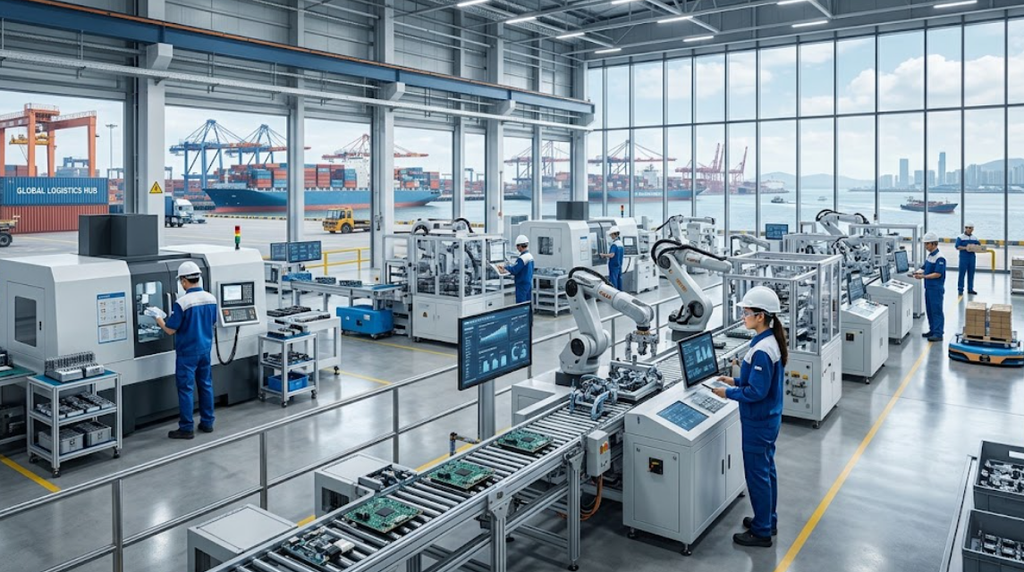
Multi product sourcing is particularly useful for businesses that purchase products across different categories.
Examples include:
- Importers and wholesalers: Looking to expand their product portfolios.
- E-commerce businesses: Sourcing multiple products for online stores.
- Retail chains: Purchasing different product categories for their stores.
- Private-label brands: Developing customized products through different manufacturers.
- Distributors: Building relationships with multiple factories to serve their customers.
- Startups: Finding suitable manufacturing partners without establishing their own supplier networks.
Whether you purchase five products or hundreds of different items, an organized sourcing strategy can help improve purchasing efficiency.
Conclusion: Build a Smarter Sourcing Strategy in China
Finding reliable manufacturers is one of the most important steps toward building a successful international business. However, managing different suppliers, maintaining product quality, and coordinating shipments can become increasingly complicated as your business grows.
By understanding how to find manufacturers in China and implementing an effective multi product sourcing strategy, businesses can access diverse manufacturing opportunities while simplifying their procurement operations.
The right sourcing partner can help identify suitable factories, compare quotations, verify suppliers, coordinate quality inspections, and manage purchasing activities.
Ultimately, successful sourcing is not just about finding cheaper products. It is about building dependable supplier relationships, maintaining consistent quality, and creating a sustainable global supply chain.
Ready to source products from China? Start by identifying your product requirements and working with experienced sourcing professionals who understand your business goals.
