
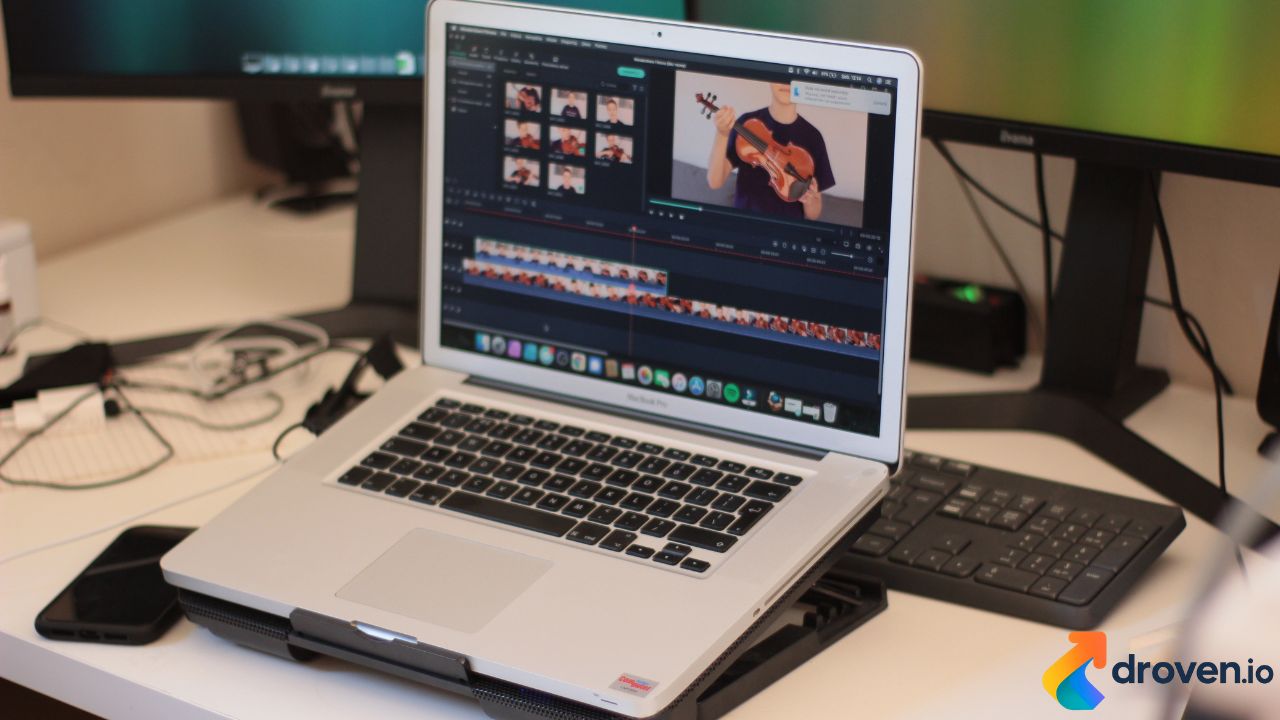
Artificial intelligence is rapidly transforming digital content creation. One of the most exciting developments in this space is image to video AI, a technology that converts static images into animated video sequences. This innovation enables creators, marketers, and businesses to generate engaging visual content without advanced video editing skills.
By analyzing visual elements in photos, AI tools can generate motion, transitions, and effects that bring still images to life. As a result, creators can produce professional-looking videos quickly and efficiently.
This article explores how image-to-video AI works, its benefits, and how businesses and content creators are using it today.
What Is Image to Video AI?
Image to video AI refers to artificial intelligence technology designed to convert still images into short videos or animated sequences.
The process typically involves:
- Uploading one or multiple images
- AI analyzing objects, backgrounds, and composition
- Generating motion effects, camera movement, or transitions
- Producing a video output
Modern AI models can simulate camera movements such as zooming, panning, and depth effects to create dynamic visual storytelling from static content.
How Image to Video AI Technology Works
AI video generation systems rely on advanced machine learning models trained on large datasets of images and videos. These models learn how objects move and how visual scenes evolve over time.
Several technologies are involved in this process:
Computer Vision
Computer vision allows AI systems to detect objects, faces, and environments within images.
Motion Prediction
AI algorithms simulate motion by predicting how elements within the image could realistically move or shift.
Generative AI Models
Generative models create new frames between images, allowing the system to produce smooth animations and video transitions.
Depth Estimation
Some AI tools estimate depth in photos, enabling cinematic camera movements such as 3D zoom effects.
Benefits of Using Image to Video AI
The growing popularity of image-to-video technology is driven by several advantages.
Faster Content Creation
Traditional video production can take hours or days. AI tools can generate videos in minutes.
Lower Production Costs
Businesses can produce marketing videos without expensive editing software or professional video teams.
Increased Engagement
Videos typically generate higher engagement than static images on social media platforms.
Accessibility for Beginners
AI platforms simplify video creation, making it accessible even for users without technical skills.
Popular Use Cases for Image to Video AI
The ability to convert photos into videos has applications across many industries.
Social Media Content
Creators often transform photos into short videos for platforms like Instagram, TikTok, and YouTube Shorts.
Digital Marketing
Businesses use AI-generated videos to promote products, highlight features, and create advertising content.
E-commerce Product Displays
Online stores can turn product images into animated promotional videos that showcase items from different angles.
Storytelling and Creative Projects
Artists and filmmakers experiment with AI tools to create unique visual storytelling experiences.
Popular Image to Video AI Tools
Several platforms currently offer image-to-video capabilities.
Runway ML
Runway provides advanced generative AI tools that allow users to animate images and create cinematic videos.
Pika Labs
Pika Labs focuses on AI video generation with easy-to-use tools for transforming images into dynamic clips.
Kaiber AI
Kaiber enables creators to generate stylized animated videos using both text prompts and images.
D-ID
D-ID specializes in animating faces and portraits, often used for marketing and digital presentations.
Each platform offers different levels of customization depending on the user’s needs.
Tips for Creating Better AI Videos
While AI tools simplify video creation, certain practices can improve results.
Use high-quality images
Higher-resolution photos produce better AI-generated video outputs.
Choose clear subjects
Images with well-defined objects allow AI models to generate more realistic animations.
Experiment with motion styles
Different AI tools offer various animation styles such as cinematic movement, parallax effects, or artistic transformations.
Combine multiple images
Using several images can help create more complex and engaging video sequences.
The Future of AI Video Generation
AI video technology is evolving rapidly. Future tools are expected to offer:
- full cinematic scene generation
- longer AI-generated videos
- improved motion realism
- real-time video editing with AI assistance
As artificial intelligence continues to improve, content creators will gain even more powerful tools for producing professional video content quickly and efficiently.
Final Thoughts
Image-to-video technology represents a significant step forward in digital creativity. By turning static visuals into engaging motion content, image to video AI tools make video production faster, easier, and more accessible.
For businesses, marketers, and creators looking to increase audience engagement, AI-powered video generation provides an innovative solution that continues to grow in capability and popularity.
