
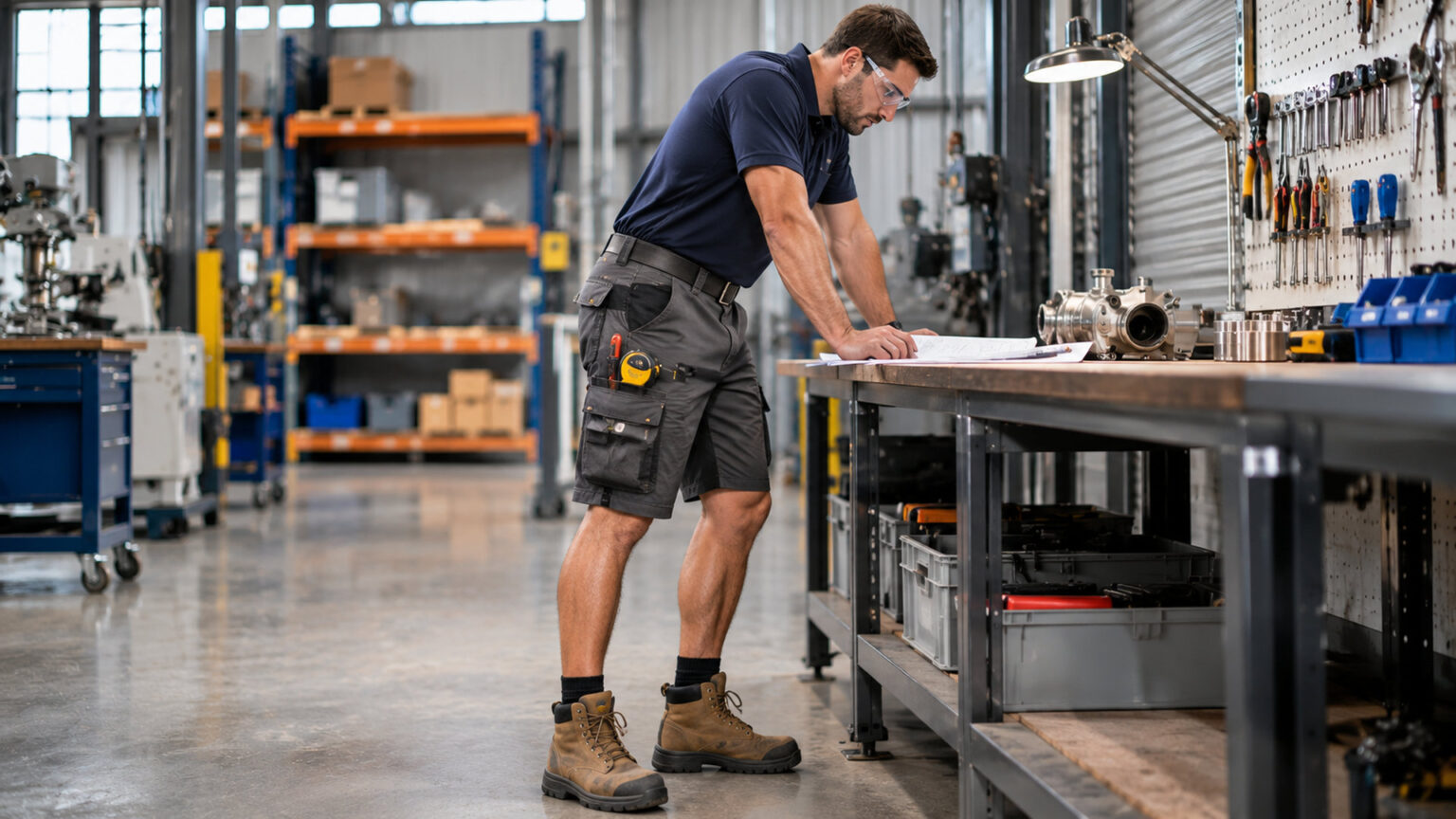
Industrial shorts are durable workwear garments designed for people who need freedom of movement, practical storage, and comfort during suitable work activities. Unlike ordinary casual shorts, many workwear designs include reinforced seams, hard wearing fabrics, and pockets arranged for tools or small equipment. They can be useful in warm workshops, warehouses, landscaping, and some trades. However, shorts are not appropriate for every industrial environment, and an employer’s safety requirements must come before comfort or appearance. Choosing well means understanding the work, checking fabric and fit, and selecting features that genuinely help throughout a shift.
The most useful pair of industrial shorts is not automatically the heaviest or the one with the most pockets. A balanced design should allow bending, lifting, walking, and reaching without unnecessary friction. It should also tolerate the cleaning and wear expected in your particular job.
What Are Industrial Shorts and Who Can Wear Them?
Industrial shorts are purpose built shorts for work activities such as maintenance, site support, warehousing, certain construction tasks, and outdoor services. They may be called utility shorts, cargo work shorts, trade shorts, or workshop shorts. The names overlap, so the actual product specification matters more than the label.
These garments provide storage and day to day durability, but ordinary work shorts are not automatically personal protective equipment. A site may require long trousers because of sparks, sharp materials, chemicals, hot surfaces, or other exposure risks. Even when shorts are permitted by local rules, a task specific risk assessment may call for more leg coverage.
Why Work Shorts Differ From Everyday Clothing
Casual shorts usually prioritise appearance and leisure comfort. Workwear versions may use heavier cloth, reinforced pocket edges, sturdy closures, and extra room for movement. These features can reduce premature wear under demanding conditions, although quality varies between manufacturers. The words industrial shorts on a label do not establish that a garment meets a particular safety standard.
21 Practical Tips for Choosing Better Industrial Shorts
1. Check Workplace Clothing Rules First
Before buying, confirm what your supervisor, site manager, or safety policy permits. Some facilities allow shorts in low hazard areas but require long trousers near specific machinery or materials. Rules may also change between client sites. If you regularly travel between workplaces, consider clothing that satisfies the stricter requirements rather than assuming one outfit will be suitable everywhere.
2. Match Shorts to the Actual Task
A delivery worker walking between vehicles and a workshop technician handling metal parts face different conditions. Think about the movements, surfaces, temperatures, and tools involved in your normal day. Shorts designed around numerous pockets may help a maintenance role but add unnecessary bulk for someone who mostly walks and carries a scanner. Buy for repeated tasks, not an imagined use case.
3. Understand Where Leg Coverage Is Essential
Exposed skin can be vulnerable to abrasions, splashes, heat, and sharp edges. Welding, cutting, some chemical operations, and other hazardous work may require specified protective trousers or additional garments. Ordinary shorts cannot replace clothing selected for those hazards. If you are uncertain, request a workplace risk assessment or safety advice before choosing a shorter garment for the job.
4. Choose Fabric Weight Deliberately
A lightweight fabric can feel comfortable in warm conditions, but it may wear faster against rough surfaces. Heavy canvas or duck cloth can offer greater substance, yet it may feel warmer and less flexible. Consider how much the garment rubs against benches, tool belts, and equipment. A suitable middle weight fabric may offer the best daily balance for many roles.
5. Compare Cotton and Blended Fabrics
Cotton often feels familiar against the skin and can suit particular workplace preferences. Polyester cotton blends may offer different drying, wrinkle, and wear characteristics depending on their construction. Neither is automatically the best choice for every setting. Read the fibre composition and care label, especially when work involves frequent washing, high heat, or potential ignition hazards.
6. Look for Ripstop Where Tearing Is Common
Ripstop fabrics use a reinforced weave intended to help resist the spread of small tears. That can be useful when shorts brush against rough shelves, timber edges, or work equipment. Ripstop does not make fabric puncture proof or suitable for hazardous contact. Examine the material’s thickness and stitching as well, because the weave name alone does not measure complete garment durability.
7. Check for Comfortable Stretch Panels
Stretch fibres or strategically positioned panels can improve movement when stepping, squatting, or climbing approved access routes. Yet highly elastic fabric may feel different under a loaded tool belt or after repeated washing. Try the shorts through the movements you actually perform. The goal is controlled flexibility without sagging, excessive tightness, or a waistband that shifts during work.
8. Inspect Reinforced Seams and Stress Points
Pocket corners, the seat, crotch, and belt loops are common areas of repeated strain. Check for secure stitching, sound fabric joins, and reinforcement where loads are expected. Double stitching can be useful, but neat construction and appropriate thread matter more than the number of visible lines. Poorly finished seams may fail even when the outer fabric initially feels strong.
9. Assess Pocket Placement Rather Than Pocket Count
Industrial shorts often advertise numerous pockets, but placement determines whether they help. A large pocket can catch on furniture or become awkward when kneeling. Consider which items need quick access and which should stay secure. A good pocket layout should keep frequently used small objects reachable without forcing you to twist, overload one side, or carry sharp tools against your leg.
10. Choose Secure Storage for Small Items
Zipped or covered pockets can help prevent keys, identification cards, and small accessories from falling out while walking or bending. Check whether closures work comfortably with work gloves, if gloves are part of the task. Do not use clothing pockets to carry exposed blades, pointed tools, or equipment that requires a purpose built holder. Convenience should not create a new injury risk.
11. Consider Tool Loops and Dedicated Compartments
Some work shorts offer a rule pocket, tool loop, or detachable utility pouch. These details may suit light tasks, but their usefulness depends on what the garment is designed to carry. Keep heavy equipment in an approved tool belt or dedicated storage system rather than stretching garment seams beyond their intended load. A well designed pair supports your workflow without replacing proper tool handling.
12. Select an Inseam That Allows Free Movement
Inseam length influences coverage, comfort, and how the fabric sits while crouching. Very short designs may expose more skin than the workplace permits, while an overly long or wide leg can bunch up during movement. Try different lengths in a natural working stance. Check whether the hems rub against your knees when climbing steps or kneeling on a suitable surface.
13. Test the Waistband During Real Movements
A waistband that fits while standing may pinch when seated or slide down when you lift equipment. Bend, squat, sit, and reach during a fitting. Look for sufficient room at the seat and hips, secure closure hardware, and belt loops that match your preferred belt. Comfort over a full shift is more important than how the shorts appear on a hanger.
14. Avoid Excessively Loose Legs Near Equipment
Roomy shorts can improve airflow, but excessive fabric can snag on shelving, handles, or other obstacles. Loose clothing may be unsuitable around rotating machinery or moving parts. Follow the site’s machinery and clothing rules, and avoid evaluating fit on comfort alone. A practical cut provides movement without unnecessary hanging straps, loops, or fabric that could become caught.
15. Consider Breathability Without Assuming Safety
Breathable fabrics and lighter constructions may help some workers feel more comfortable in warm areas. However, shorts do not eliminate heat stress, and they do not replace drinking water, rest breaks, shade, or appropriate ventilation. The right clothing decision must account for both temperature and physical hazards. If long protective trousers are required, seek a suitable approved design rather than switching to shorts.
16. Examine Fasteners and Belt Loops
Buttons, snaps, and zippers should operate reliably through repeated use. Metal fittings may not be appropriate in every specialist environment, so check site requirements if relevant. Reinforced belt loops help when a belt is worn regularly, but they should not be treated as attachment points for fall protection or heavy suspended equipment. Small construction details often determine whether shorts remain convenient after months of use.
17. Choose Colours That Suit the Workplace
Charcoal, navy, black, and khaki can be practical for work uniforms, although each shows dirt and wear differently. Light colours may reveal stains quickly, while dark fabric can feel warmer in direct sunlight. If the employer has uniform rules, follow them. Branding or reflective decoration should never be mistaken for proof that the garment satisfies a high visibility requirement.
18. Check Visibility Requirements Separately
Workers near vehicles or moving plant may need specific high visibility garments chosen for the risk and the applicable standard. A brightly coloured pair of shorts is not automatically certified protective clothing. In many situations, the required visibility is provided by an approved upper body garment or another specified clothing combination. Verify the complete outfit and local requirements before relying on colour or reflective strips.
19. Think About Washing and Drying Needs
Work clothes may be washed frequently because of dust, sweat, and ordinary grime. Read the care label for temperature limits, tumble drying, and detergent guidance. Some protective clothing has specialised laundering instructions that must be followed to preserve its performance. For ordinary work shorts, a fabric that cleans reliably and dries within your routine may be more useful than a demanding decorative finish.
20. Compare Cost Against Expected Use
The price of industrial shorts alone does not reveal value. Consider fabric construction, stitching, comfort, returns, and how many shifts you expect to wear the shorts. An inexpensive pair that repeatedly splits at the seams may cost more over time than a durable alternative. At the same time, premium pricing is not proof of superior performance. Compare specifications and real use requirements before deciding.
21. Test a Sample Before Ordering Uniforms
For business or team purchases, trial a small number of sizes and styles before ordering in bulk. Ask wearers to assess sitting, climbing, walking, laundering, and pocket access during permitted activities. Record any complaints about tight hems, rubbing seams, or overloaded pockets. A trial can reveal fit issues that a size chart and product photograph cannot show.
Materials and Construction: What Actually Lasts?
Good industrial shorts combine suitable fabric with thoughtful construction. Cotton duck, polyester cotton blends, ripstop weaves, and stretch workwear fabrics each offer different tradeoffs. The term heavy duty does not establish a universal performance level. Look for product details that explain fibre content, fabric weight, seam reinforcement, and intended use.
Cotton Duck and Canvas
Dense cotton fabrics can offer a substantial feel and useful resistance to everyday abrasion. They may also feel stiff before wear and require longer drying times. Fabric weight and finish affect performance, so compare actual garments rather than relying on the word canvas alone.
Ripstop and Stretch Blends
A ripstop weave can limit how some minor tears spread, while stretch components can support bending and reaching. Combining them may create flexible, serviceable workwear, but durability depends on the entire construction. Inspect high stress areas as carefully as the fabric itself.
What Fabric Labels Cannot Tell You
A label rarely explains how a pair will fit your body after repeated washing or how comfortable it feels with your usual tools. Product specifications help narrow the options, but a practical fitting and a short wear trial offer valuable information that marketing terms cannot provide.
How to Pick the Right Size and Cut
When comparing industrial shorts online, take accurate waist and hip measurements and compare them with the manufacturer’s chart. Sizing varies among suppliers, so your usual casual size may not translate directly to workwear. Consider whether you will wear a belt or base layer. Check the rise and leg opening as well as the waist.
Try a Working Fit Test
Sit on a chair, bend to pick up an object safely, walk several steps, and squat within your usual comfort range. The shorts should not pull sharply across the seat or restrict movement. Check that a pocket containing a small everyday item stays comfortable and does not create a pressure point.
Are Industrial Shorts Suitable for Every Worksite?
No. Industrial shorts can be practical in permitted low hazard settings, but the correct clothing depends on exposure risks and site policy. Some environments require full leg protection because of hot work, chemical contact, sharp materials, or particular machinery. Clothing described as workwear is not automatically compliant protective equipment.
Supervisors and workers should consider the task, exposure, other required protective gear, and the way garments interact. The safest decision may be a breathable pair of approved long trousers rather than shorts. Never override a documented protective clothing requirement simply because the weather is warm.
How to Maintain Work Shorts for Longer Use
To keep industrial shorts in good condition, empty pockets before washing and check for forgotten screws, clips, or other objects that could damage the fabric or washing machine. Close zippers and fasteners, follow the care instructions, and address small seam problems before they become larger tears. Avoid washing heavily contaminated industrial clothing with ordinary household items when workplace rules require separate handling.
Inspect Wear Before Each Shift
Check seams, fasteners, belt loops, and pocket interiors for damage. Replace garments that can no longer perform their intended function. If the shorts are part of an employer supplied uniform, report wear through the agreed replacement process instead of carrying on with damaged equipment.
Buying Industrial Shorts for a Team
A team order of industrial shorts should account for differences in body size, task requirements, and garment preferences. Offer an inclusive size range where practical and confirm that all selected styles meet the same site rules. Compare wash care, replacement availability, and consistent supply as well as initial price.
Create a Simple Product Trial
Ask a small representative group to wear approved samples during normal work and provide structured feedback on comfort, movement, durability, and storage. Collect the results before purchasing larger quantities. This process is more dependable than choosing a single style solely because it looks professional in a catalogue.
Outdoor Work and Sun Exposure
Shorts can leave more skin exposed to sunlight, insects, and contact with vegetation. Outdoor workers should consider these factors alongside temperature and movement. Where shorts are permitted, appropriate sun protection may include sunscreen, shade, and other measures selected for the task. Avoid assuming that a lightweight garment offers meaningful ultraviolet protection without product information supporting the claim.
Think About the Entire Work Outfit
Industrial shorts are one component of an outfit that may also include footwear, eye protection, gloves, or a high visibility top. Check how clothing works together while bending or carrying materials. For example, a pocket arrangement that is comfortable on its own may become awkward beneath a loaded tool belt. The final selection should support all required equipment rather than interfere with it.
Understanding Cost Per Wear
For a practical comparison, divide the purchase price by the approximate number of shifts you expect to use a garment. A $60 pair used for 120 shifts would represent 50 cents per shift before laundering and repairs. A $35 pair used for only 35 shifts would represent $1 per shift on the same simplified basis. Neither lifespan is guaranteed, and actual wear depends on the job.
Why Returns and Replacement Stock Matter
When purchasing industrial shorts for regular use, check return conditions before removing labels or ordering multiple pairs. A retailer may accept an unworn size exchange but not a garment used on site. Businesses should also ask whether the chosen cut and sizes will remain available for repeat orders. Consistent supply helps maintain a practical uniform without repeatedly restarting the selection process.
Frequently Asked Questions
1. What are industrial shorts used for?
Industrial shorts are workwear designed for permitted tasks that benefit from durable fabric, practical pockets, and comfortable movement. Suitability depends on hazards and site rules.
2. Can industrial shorts be worn on construction sites?
Some sites and tasks permit them, while others require long trousers or specified protective clothing. Always check the applicable workplace rules before wearing shorts.
3. What fabric is best for durable work shorts?
Cotton duck, ripstop, and blended workwear fabrics can all be useful. The best choice depends on abrasion, flexibility, weather, washing, and the actual job.
4. Are cargo pockets useful in industrial shorts?
Yes, when they securely hold small items needed during work. Pocket placement matters more than count, and sharp or heavy tools need appropriate holders.
5. Are industrial shorts considered protective equipment?
Not automatically. Ordinary work shorts may provide comfort and utility without meeting requirements for protection against particular workplace hazards.
6. How should work shorts fit?
They should allow comfortable bending, sitting, and walking without slipping, pinching, or leaving excessive loose fabric near equipment.
Conclusion
Industrial shorts can be useful workwear when the job permits exposed legs and the garment fits the tasks performed. Prioritise site rules, practical fabric performance, comfortable movement, and storage features that do not introduce hazards. Examine construction quality and laundering needs before paying extra for features you may never use. A thoughtful choice can make permitted work more comfortable while keeping safety decisions grounded in the actual workplace.
