
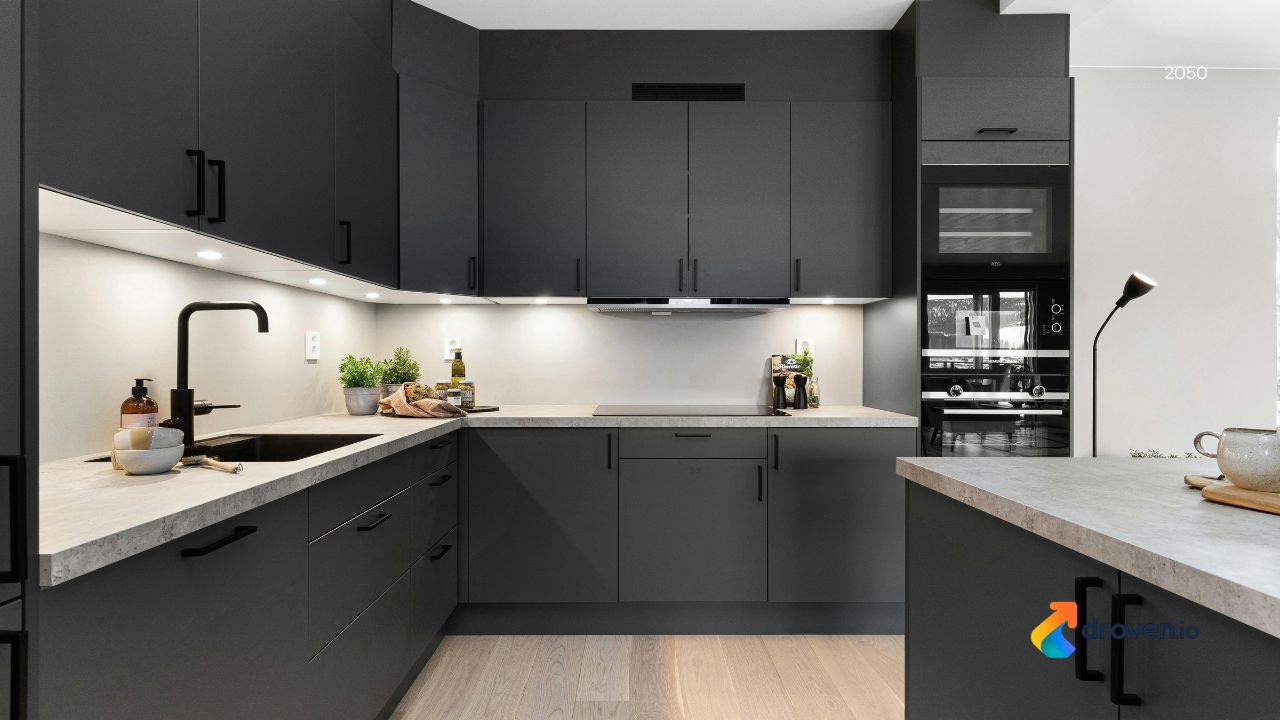
A Complete Guide to Transforming Your Kitchen
Kitchen remodeling is one of the most impactful home improvement projects you can undertake. Whether you’re updating outdated finishes, improving layout efficiency, or increasing property value, strategic kitchen remodeling enhances both functionality and aesthetics.
As the heart of the home, the kitchen deserves thoughtful planning and quality materials to ensure long-term durability and everyday comfort.
Why Consider Kitchen Remodeling?
Increase Home Value
Updated kitchens consistently rank among the top features buyers look for.
Improve Functionality
Better layouts, expanded storage, and modern appliances streamline daily tasks.
Enhance Energy Efficiency
Upgrading to energy-efficient appliances and lighting reduces utility costs.
Modernize Appearance
Fresh cabinetry, countertops, and lighting can completely transform the space.
Popular Kitchen Layouts
L-Shaped Kitchen
Efficient use of corner space with flexible workflow.
U-Shaped Kitchen
Maximizes storage and countertop area.
Galley Kitchen
Ideal for smaller spaces with parallel counters.
Island Layout
Adds prep space, storage, and seating.
The kitchen work triangle—connecting sink, stove, and refrigerator—should remain balanced for optimal efficiency.
Key Elements of a Kitchen Remodel
Cabinets
Options include stock, semi-custom, and custom cabinetry. Shaker and flat-panel designs remain popular for modern homes.
Countertops
Common materials:
- Quartz (low maintenance, durable)
- Granite (natural stone appeal)
- Marble (luxury aesthetic)
- Butcher block (warm and rustic)
Flooring
Durable options include tile, luxury vinyl plank, and engineered hardwood.
Lighting
Layered lighting improves functionality:
- Task lighting (under-cabinet)
- Ambient lighting (ceiling fixtures)
- Accent lighting (pendants over islands)
Appliances
Energy-efficient models improve performance and long-term savings.
Cost of Kitchen Remodeling
Costs vary based on:
- Kitchen size
- Material quality
- Structural changes
- Labor rates
- Permit requirements
Minor remodels cost less, while full-scale renovations involving layout changes require larger budgets. Always include a contingency fund of 10–20%.
Kitchen Remodeling Timeline
- Design and planning
- Permit approvals (if required)
- Demolition
- Structural work
- Electrical and plumbing updates
- Cabinet and countertop installation
- Finishing touches
Most projects take several weeks depending on complexity.
Tips for a Successful Remodel
- Plan storage carefully
- Prioritize durability over trends
- Choose neutral finishes for long-term appeal
- Hire licensed contractors
- Avoid frequent mid-project changes
Proper planning reduces delays and unexpected expenses.
FAQs About Kitchen Remodeling
How long does a kitchen remodel take?
Typically 4–8 weeks depending on scope.
What adds the most value?
Updated cabinets, durable countertops, and energy-efficient appliances.
Do I need permits?
Structural, electrical, and plumbing changes often require permits.
Is remodeling worth the investment?
Yes, kitchens often provide strong return on investment.
Should I stay home during remodeling?
You can, but expect temporary inconvenience.
Conclusion
Kitchen remodeling enhances functionality, increases home value, and modernizes one of the most important spaces in your home. By selecting durable materials, optimizing layout, and working with experienced professionals, you can create a stylish and efficient kitchen that serves your family for years to come.
