
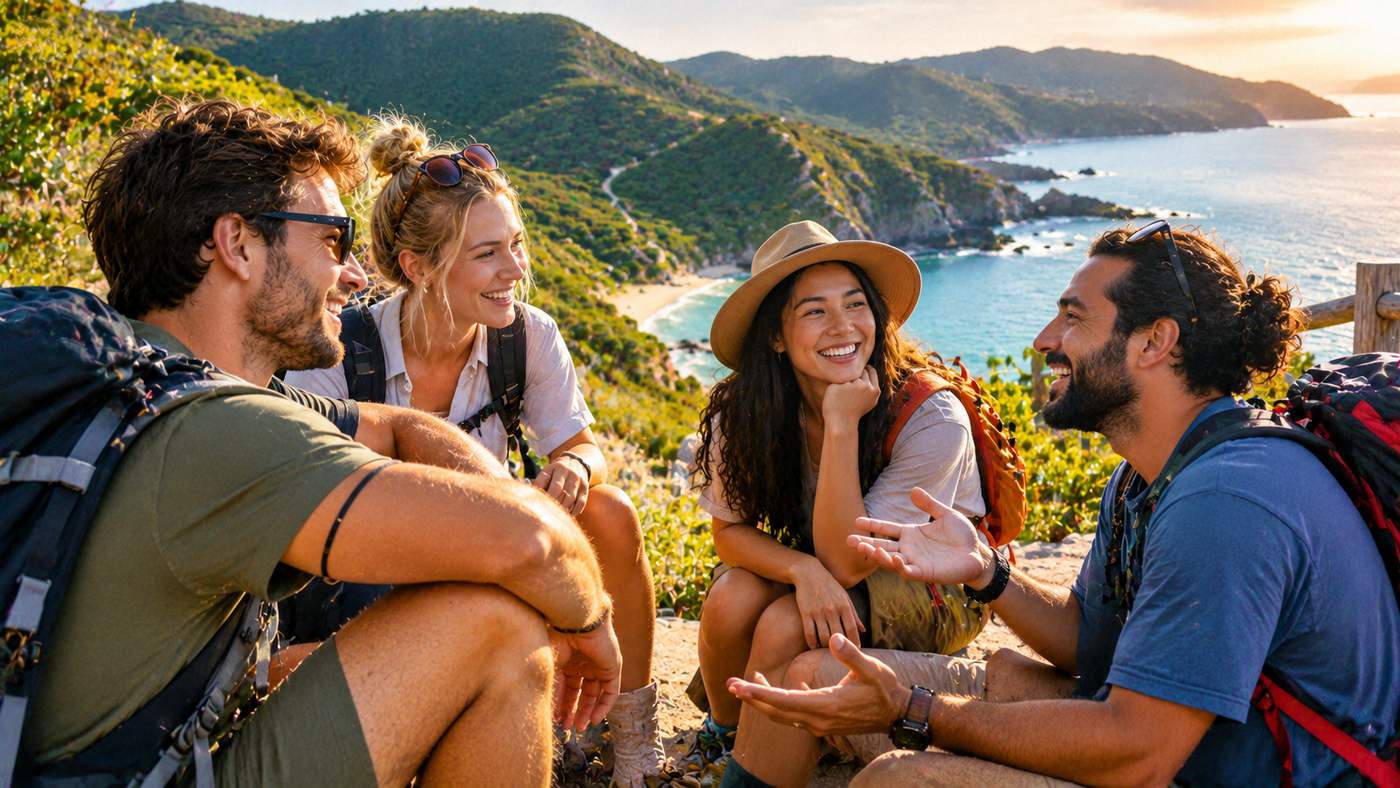
Travel is about more than visiting famous landmarks, staying in beautiful hotels, and collecting photographs. For many people, the most memorable part of a journey is connecting with others, sharing experiences, discovering new cultures, and building friendships that continue long after returning home.
Whether someone enjoys hiking through mountains, exploring historic cities, discovering local food, or relaxing on tropical beaches, meeting people with similar interests can make a trip more rewarding.
This is why finding like-minded travelers has become an important part of planning meaningful travel experiences.
Travelling with people who share your interests can create opportunities for collaboration, companionship, and exploration. Instead of making every decision independently, travelers can exchange ideas, participate in activities together, and learn from different perspectives.
However, finding a compatible travel companion involves more than selecting someone who wants to visit the same destination. Budget expectations, travel schedules, accommodation preferences, communication styles, and personal boundaries all influence whether people enjoy travelling together.
Digital travel communities, organized group tours, local events, and social activities provide different ways to meet potential companions.
Travel information websites such as TravelTweaks can also help people research destinations, explore travel ideas, and prepare for new experiences.
This guide explains how to find compatible travel companions, where to connect with fellow explorers, seven practical strategies for building travel friendships, and important safety considerations when meeting new people.
What Are Like-Minded Travelers?
Like-minded travelers are people who share similar interests, travel preferences, or attitudes toward exploring new places.
They do not necessarily need identical personalities or backgrounds.
Instead, they have enough common ground to enjoy spending time together while respecting individual differences.
For example, two travelers may enjoy outdoor adventures, local food, and cultural experiences.
One person might prefer long hikes, while the other enjoys shorter walking routes.
Although their preferences differ slightly, they may still be compatible if they communicate clearly and remain flexible.
Shared Travel Interests
Common interests can make it easier to plan enjoyable experiences.
Travelers may connect through activities such as photography, hiking, food tours, wildlife observation, cultural exploration, or outdoor sports.
Similar Travel Expectations
People travelling together should understand what each person expects from the trip.
Some travelers enjoy early mornings and carefully planned schedules.
Others prefer relaxed itineraries and spontaneous activities.
Neither approach is necessarily better, but compatibility can prevent unnecessary disagreements.
Mutual Respect
A successful travel friendship involves respecting personal boundaries, financial limits, and individual needs.
Companions should feel comfortable communicating openly and spending time independently when necessary.
Why Travelling With Compatible People Matters
Shared travel experiences can strengthen connections and make new destinations easier to explore.
However, the benefits depend on the relationship and the suitability of the arrangements.
Enjoying Shared Experiences
Visiting a new destination with someone who enjoys similar activities can make the experience more engaging.
For example, two photography enthusiasts may appreciate spending extra time capturing landscapes during sunrise.
Learning From Different Perspectives
Even travelers with common interests can have different backgrounds and experiences.
Sharing ideas may introduce new ways to appreciate unfamiliar destinations.
Supporting Practical Planning
Travel companions can exchange information about transportation, accommodation, activities, and local customs.
Reducing Certain Travel Expenses
In some circumstances, companions may share eligible accommodation or transportation costs.
However, expenses should be discussed beforehand, and each traveler should remain financially independent.
Building Lasting Friendships
Shared experiences can create connections that continue after the trip.
Not every travel interaction becomes a long-term friendship, but genuine relationships often develop naturally through common interests and respectful communication.
Seven Smart Ways to Meet Like-Minded Travelers
Travelers can use several approaches to build connections before departure and during a trip.
1. Join Organized Group Tours
Organized tours provide a structured way to explore destinations with other people.
Participants generally follow a shared itinerary involving selected activities, transportation, and sightseeing.
This creates natural opportunities for conversations.
Choose Interest-Based Tours
A hiking tour may attract people who enjoy outdoor activities.
A culinary tour can bring together travelers interested in food and local culture.
A photography trip may appeal to people who enjoy visual storytelling.
Selecting a tour based on genuine interests can increase the chance of meeting compatible companions.
Compare Group Sizes
Small-group tours may provide more opportunities for interaction.
Larger groups can offer a wider range of personalities and experiences.
The appropriate choice depends on personal comfort and travel preferences.
Review the Itinerary
Some tours have tightly scheduled activities.
Others allow more flexibility.
Travellers should understand the schedule before booking.
Check the Operator
Review the tour company’s reputation, cancellation terms, inclusions, and relevant safety procedures.
An organized tour does not eliminate every travel risk.
2. Connect Through Travel Communities
Online travel communities allow people to exchange ideas before visiting a destination.
These communities may operate through travel forums, social media groups, or dedicated companion-matching services.
For example, someone preparing to visit Portugal might join an interest-based group discussing local attractions and travel routes.
Members can exchange information about experiences and potentially arrange suitable group activities.
Participate in Relevant Discussions
Answer questions, ask for recommendations, and contribute useful information.
Authentic participation is more effective than contacting strangers with generic messages.
Explain Your Travel Style
Describe the types of activities you enjoy and the experiences you hope to have.
Look for Shared Interests
A person planning a museum-focused city break may prefer different activities from someone arranging a long-distance hiking holiday.
Build Trust Gradually
Online conversations should not automatically lead to shared accommodation or financial commitments.
Take time to understand the person before making plans.
3. Stay in Sociable Accommodation
Certain accommodation types create opportunities to meet other travelers.
Hostels, guesthouses, and properties offering shared activities may provide social environments.
However, the atmosphere varies between individual properties.
Hostel Common Areas
Shared lounges and communal kitchens can provide natural opportunities for conversations.
Organized Accommodation Activities
Some properties arrange walking tours, communal dinners, or other social events.
Guesthouse Experiences
Smaller accommodation providers may offer opportunities to exchange recommendations with other guests.
Maintain Personal Boundaries
Travellers should choose accommodation according to their comfort and security requirements.
A sociable atmosphere should never require sharing personal information or participating in unwanted activities.
4. Attend Local Activities and Cultural Events
Participating in activities can make it easier to meet people because everyone already shares an interest in the experience.
For example, a traveler attending a local cooking class can interact with others while learning about regional cuisine.
The activity itself provides a natural conversation topic.
Food and Cooking Classes
Cooking experiences can bring together people who enjoy culinary exploration.
Walking Tours
Guided walking tours offer opportunities to meet other visitors while learning about local history.
Outdoor Excursions
Group hiking, cycling, or kayaking activities can connect travelers interested in adventure.
Creative Workshops
Photography, pottery, painting, and similar classes provide opportunities for shared learning.
Local Cultural Events
Festivals and community events may help travelers understand a destination while meeting other participants.
These activities can support connections without requiring an extended commitment.
5. Use Travel Companion Platforms Carefully
Some platforms are designed specifically to help travelers connect with others planning similar trips.
Users may create profiles describing destinations, travel dates, interests, and preferred activities.
For example, Workaway offers a Travel Buddy feature through which members can search for potential companions using relevant travel information.
However, the availability of a matching feature does not guarantee that other users are safe or compatible.
Review Profiles
Look for meaningful information about the person’s interests and travel expectations.
Communicate Before Meeting
Discuss the proposed activities, itinerary, budget, and personal boundaries.
Arrange a Video Conversation
A video call may provide additional context before meeting someone.
However, it does not establish a person’s identity or reliability with certainty.
Start With a Public Meeting
A short meeting in a public location is generally a more cautious first step than immediately arranging a long journey together.
Avoid Financial Pressure
Do not send money to an unfamiliar person or allow someone else to control essential travel bookings without careful verification.
6. Explore Special Interest Travel Groups
Some travel communities focus on specific activities rather than destinations.
This can make them useful for finding people who share particular interests.
Hiking Groups
Outdoor enthusiasts can connect through suitable walking clubs and organized excursions.
Photography Communities
Photography trips may attract travelers interested in landscapes, architecture, and wildlife.
Wellness Retreats
Some travelers prefer experiences involving relaxation, yoga, and personal wellbeing.
Language Learning
Language courses and cultural exchange events may bring together people interested in communication and cultural discovery.
Volunteering Opportunities
Legitimate volunteering programs can connect participants through shared activities.
However, travelers should examine the organizer, legal requirements, insurance, and ethical implications before participating.
Shared interests provide a starting point, but compatibility still depends on communication and respect.
7. Be Open to Natural Travel Connections
Not every meaningful travel friendship begins through an app or organized group.
Some connections develop through ordinary conversations.
A traveler may meet someone during a walking tour, at a café, or while attending a public event.
The interaction may lead to a shared afternoon activity or a simple exchange of recommendations.
Start With Friendly Questions
Ask people what brought them to the destination or which local experiences they have enjoyed.
Listen With Interest
Genuine curiosity can help conversations develop naturally.
Respect Social Boundaries
Not everyone wants to socialize while travelling.
A person who prefers privacy should not feel pressured to continue a conversation.
Avoid Rushing
A friendly encounter does not require immediate plans or shared travel commitments.
Connections are often more comfortable when people have time to establish trust.
Exploring TravelTweaks for Travel Inspiration
People planning trips and hoping to meet like-minded travelers can use TravelTweaks as a source of destination ideas, travel advice, and information about shared travel experiences.
TravelTweaks is an editorial travel website publishing articles about destinations, hotels, resorts, transportation, sightseeing, travel trends, and practical trip planning.
Its content includes guidance on meeting people while travelling alone and evaluating organized group tours.
These resources can help readers understand different travel styles and identify activities that may create opportunities to meet fellow travelers.
Travel Destination Guides
TravelTweaks publishes destination-related content that can help readers explore possible locations and activities.
Travelers can use this information as a starting point for further research.
Group Travel Information
The website has discussed the benefits and limitations of organized tours.
Its coverage recognizes that group travel may appeal to people who value social interaction and convenient planning, while independent travel may offer greater personal flexibility.
Solo Travel Advice
TravelTweaks also publishes advice about making friends during solo journeys.
Its articles discuss social accommodation, local activities, conversations, and respectful interactions.
Travel Planning Resources
The website contains information about travel arrangements, accommodation, and practical planning considerations.
However, TravelTweaks should be understood as a travel information publisher rather than a verified travel-companion matching or booking service.
Travelers should confirm actual reservations, prices, availability, and safety requirements through the relevant providers.
How to Choose a Compatible Travel Companion
Finding someone who enjoys travelling is only the first step.
Compatibility depends on several practical considerations.
Travel Budget
Two people may want to visit the same destination but have different financial expectations.
One may prefer luxury hotels, while the other chooses budget accommodation.
Discuss spending limits before making joint plans.
Daily Schedule
Some travelers prefer early departures and full itineraries.
Others enjoy slower mornings and flexible afternoons.
A reasonable balance can reduce disagreements.
Accommodation Preferences
Travellers should establish expectations about privacy, room arrangements, and comfort.
Sharing accommodation is not necessary to enjoy activities together.
Transportation Style
Preferences may differ regarding public transport, rental vehicles, walking, and other travel arrangements.
Activity Interests
Shared interests help, but both people should understand which experiences matter most.
Communication Style
A compatible companion should be willing to discuss concerns and listen respectfully.
Personal Independence
Travelling together does not mean every activity must be shared.
Healthy travel partnerships allow time for individual interests.
Safety Tips for Meeting New Travel Companions
Safety should remain a priority when meeting unfamiliar people.
Although travel communities can create positive connections, online profiles and friendly conversations do not establish trustworthiness.
Meet in Public
Arrange the first meeting in a busy, appropriate public location.
Share Your Plans
Tell a trusted contact where you are going and whom you expect to meet.
Protect Personal Information
Avoid disclosing unnecessary financial details, account credentials, or private documents.
Maintain Control of Bookings
Where practical, keep accommodation and transport reservations under your own control.
Avoid Unverified Payments
Be cautious of requests to transfer money for shared travel expenses before verifying the arrangements.
Keep a Backup Plan
Maintain access to alternative accommodation or transportation if a proposed arrangement becomes uncomfortable.
Trust Your Judgment
If a situation feels unsafe or the other person ignores boundaries, leave and seek appropriate assistance.
No online verification badge or travel community can guarantee personal safety.
Group Travel Versus Solo Travel
Both travel styles offer advantages.
The right choice depends on personal goals, experience, and preferences.
Benefits of Group Travel
Group travel can provide companionship and shared planning.
Some organized tours also simplify transportation and activity arrangements.
However, travelers may have less control over scheduling.
Benefits of Solo Travel
Solo travel allows individuals to make independent decisions.
It can provide flexibility and opportunities for personal reflection.
Solo travelers can still meet others through local activities and organized excursions.
Combining Both Approaches
A person does not need to choose exclusively between group and solo travel.
For example, someone might travel independently and join a guided hiking excursion.
Another traveler may participate in a group tour before extending the trip alone.
A flexible approach can provide both independence and social interaction.
Travel Experiences That Encourage Friendships
Certain activities naturally encourage conversation and collaboration.
Hiking Adventures
Group hikes provide shared goals and opportunities to appreciate natural scenery.
Participants should select routes appropriate to their experience and physical abilities.
Food Experiences
Cooking classes, food tours, and culinary workshops provide common interests.
Cultural Exploration
Museums, historical tours, and cultural events can generate meaningful discussions.
Outdoor Sports
Organized activities such as kayaking or beginner cycling excursions may connect people with similar interests.
Photography Walks
Photography groups can explore destinations while exchanging creative ideas.
Community Experiences
Appropriate local events can introduce travelers to different cultures and perspectives.
The most rewarding activity is usually one that genuinely interests the participants.
Managing Money When Travelling With Others
Shared travel can sometimes reduce expenses.
However, financial misunderstandings are a common source of tension.
Agree on a Budget
Discuss expected spending before booking.
Clarify Shared Expenses
Determine which costs will be divided and which remain individual responsibilities.
Avoid Unnecessary Financial Dependence
Each traveler should have access to enough funds to manage essential needs independently.
Keep Payment Records
Maintain documentation for relevant shared payments.
Discuss Cancellations
Understand who is responsible if a participant changes plans.
Avoid Assuming Equal Spending Preferences
One traveler may want premium experiences while another prefers inexpensive alternatives.
Clear communication can help prevent disputes.
Planning a Successful Trip With New Friends
A well-organized itinerary provides structure without eliminating spontaneity.
Choose a Suitable Destination
Select a place that offers activities appealing to the participants.
Agree on Main Activities
Identify the experiences that matter most.
Leave Flexible Time
Avoid scheduling every hour.
Review Travel Requirements
Check entry rules, insurance needs, transport arrangements, and relevant official travel advice.
Establish Communication Methods
Agree on how participants will contact one another during the trip.
Identify Emergency Procedures
Keep relevant emergency contact information available.
Respect Individual Preferences
Allow opportunities for rest and independent activities.
An enjoyable shared journey depends on cooperation rather than rigid expectations.
Common Mistakes When Finding Travel Partners
Several mistakes can turn a promising experience into a difficult one.
Choosing Someone Based Only on a Destination
Wanting to visit the same city does not guarantee compatible travel styles.
Ignoring Financial Differences
Unclear spending expectations can lead to disagreements.
Making Commitments Too Quickly
A short public activity is generally a more cautious way to get acquainted than booking an extended trip immediately.
Sharing Sensitive Information
Personal and financial information should be protected.
Assuming Every Online Profile Is Genuine
Profiles and testimonials can be inaccurate.
Planning Every Activity Together
Too much shared scheduling may create unnecessary pressure.
Ignoring Personal Boundaries
Mutual respect is essential for a positive travel experience.
How Travel Friendships Can Continue After the Trip
Some travel connections become lasting friendships.
However, maintaining them requires effort from both people.
Share Memories Respectfully
Photographs and shared experiences can provide opportunities to reconnect.
Ask permission before posting identifiable images of others.
Stay in Contact
Occasional messages can help maintain the relationship.
Exchange Travel Recommendations
Friends can share useful information about future destinations.
Plan Future Activities
People who enjoyed travelling together may choose another suitable trip.
Respect Changing Circumstances
Not everyone has the same time, budget, or availability for future travel.
A genuine friendship should not depend on constant travel commitments.
The Future of Social Travel
Travel communities continue to evolve through digital platforms, interest-based groups, and organized experiences.
Technology makes it easier for people to discover activities and communicate before departure.
Specialized platforms may also help connect people planning trips to similar destinations.
However, the availability of matching technology does not replace personal judgment or appropriate safety precautions.
Travelers still need clear communication, realistic expectations, and control over important arrangements.
Interest-based experiences are likely to remain relevant because they create natural opportunities for interaction.
Whether someone enjoys photography, outdoor activities, local cuisine, or cultural exploration, shared experiences can provide a foundation for meaningful connections.
The most effective approach combines practical travel planning with openness, independence, and mutual respect.
Frequently Asked Questions
How can I find like-minded travelers?
You can meet people through organized group tours, travel communities, social accommodation, local classes, hobby-based activities, and reputable travel-companion platforms. Choose opportunities that match your interests and take appropriate safety precautions.
Is it safe to meet travel companions online?
It can be possible to meet compatible companions online, but there are risks. Review profiles carefully, communicate before meeting, choose public locations, keep control of essential arrangements, and maintain a backup plan.
Can TravelTweaks help me plan group travel?
TravelTweaks publishes travel guides, destination information, and articles about group tours and solo travel. Its content can help you research travel styles and activities, but it is not presented as a dedicated travel-companion matching service.
Is group travel better than solo travel?
Neither approach is universally better. Group travel may provide companionship and convenient planning, while solo travel offers more independence. Many people combine both styles during the same journey.
What makes someone a good travel partner?
A good travel partner communicates clearly, respects boundaries, has compatible expectations, manages expenses responsibly, and remains flexible when plans change.
Conclusion
Travel provides opportunities to discover new places, experience different cultures, and develop meaningful relationships.
Finding like-minded travelers can make these experiences more enjoyable by connecting people through shared interests, compatible expectations, and mutual respect.
Organized group tours, social accommodation, local events, and online travel communities offer different ways to meet potential companions.
However, successful travel partnerships require more than enthusiasm for the same destination.
Clear financial expectations, personal boundaries, communication, and appropriate safety planning are equally important.
Resources such as TravelTweaks can help travelers research destinations, explore group travel ideas, and prepare for rewarding journeys.
Ultimately, the goal is not simply finding someone to accompany you. It is building genuine connections while maintaining the freedom, confidence, and independence to enjoy travel on your own terms.
