
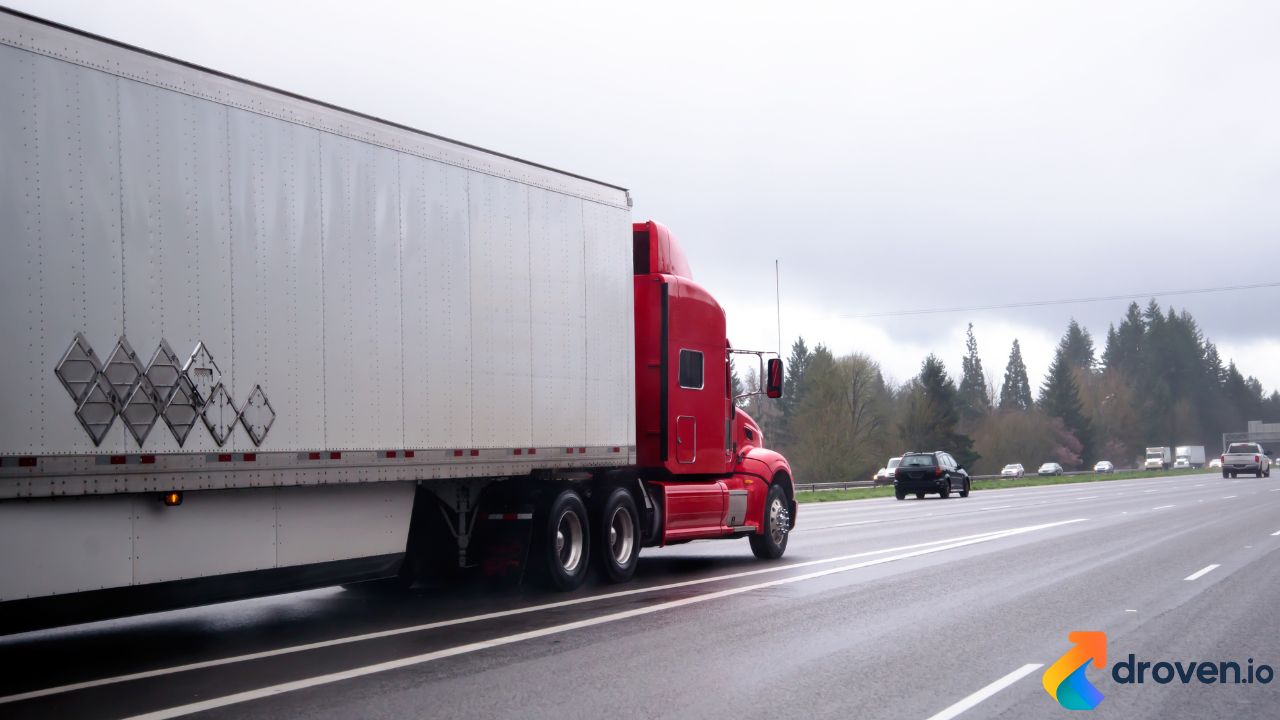
Transporting heavy machinery and oversized equipment requires specialized vehicles designed to handle extreme weight and unusual dimensions. One of the most widely used solutions in heavy transport logistics is the low loader. These trailers are specifically engineered to move large construction machines, industrial equipment, and oversized cargo safely and efficiently.
Low loader trailers are commonly used in industries such as construction, mining, agriculture, and logistics. Their unique design allows them to carry extremely heavy loads while maintaining stability during transportation.
What Is a Low Loader?
A low loader is a type of trailer used to transport heavy equipment that exceeds the height or weight limits of standard trailers. The trailer deck is positioned very close to the ground, allowing tall machinery to be transported without exceeding legal road height restrictions.
Because of this low deck height, low loaders can carry large vehicles such as excavators, bulldozers, cranes, and other industrial machinery.
Low loaders are typically attached to powerful trucks capable of pulling heavy loads over long distances.
Key Features of a Low Loader Trailer
Low loaders are designed with specialized features that allow them to transport oversized cargo safely.
Low Deck Height
The defining feature of a low loader is its lowered deck, which reduces the total transport height. This is important when transporting tall equipment under bridges or through tunnels.
Heavy Load Capacity
Low loaders are built with strong frames and multiple axles to support extremely heavy loads.
Some trailers can carry loads exceeding several tons.
Hydraulic Ramps
Many low loader trailers include hydraulic ramps that allow heavy equipment to drive directly onto the trailer.
This makes loading and unloading much easier.
Multiple Axle Configurations
Low loaders often use several axles to distribute weight evenly across the trailer. This helps reduce pressure on the road surface and improves stability.
Common Uses of Low Loaders
Low loaders are essential in industries that rely on heavy machinery.
Construction Industry
Construction companies frequently use low loaders to move excavators, bulldozers, and cranes between project sites.
These machines are too large to travel on regular roads without specialized transport.
Mining Operations
Mining equipment such as drilling rigs and large loaders often requires low loader transport due to their weight and size.
Agricultural Machinery Transport
Large agricultural machines like tractors, harvesters, and combine equipment are often transported using low loader trailers.
Industrial Equipment Delivery
Factories and industrial facilities use low loaders to transport large generators, turbines, and manufacturing equipment.
Types of Low Loader Trailers
Several types of low loaders are available depending on the size and weight of the cargo being transported.
Fixed Gooseneck Low Loader
In this design, the trailer connects permanently to the truck through a fixed gooseneck. Loading is typically done from the rear using ramps.
Detachable Gooseneck Low Loader
A detachable gooseneck allows the front of the trailer to be lowered to the ground. Equipment can then be driven directly onto the trailer from the front.
This design is very popular for transporting construction equipment.
Extendable Low Loader
Extendable low loaders can adjust their length to accommodate oversized cargo such as wind turbine blades or long construction equipment.
Multi-Axle Low Loader
Heavy loads often require trailers with multiple axles to distribute weight evenly and improve stability during transport.
Advantages of Using Low Loader Transport
Low loaders offer several important advantages compared to standard transport trailers.
Safe Transportation of Heavy Equipment
The design of low loaders allows heavy machinery to be transported safely without damaging roads or equipment.
Compliance with Height Regulations
The low deck height helps ensure that tall machinery can be transported without exceeding road height limits.
Efficient Loading and Unloading
Hydraulic ramps and detachable sections allow machinery to drive directly onto the trailer.
Stability During Transport
Multiple axles and low center of gravity improve stability when transporting heavy loads.
Legal Considerations for Low Loader Transport
Transporting oversized equipment often requires special permits and compliance with road regulations.
Transport companies must consider:
- maximum weight limits
- road height restrictions
- escort vehicle requirements
- route planning for oversized loads
Following transportation regulations ensures safety and prevents delays during delivery.
Safety Measures in Low Loader Transport
Because heavy equipment transport involves significant risks, safety procedures are essential.
Common safety practices include:
- securing machinery with heavy-duty chains and straps
- evenly distributing weight across the trailer
- inspecting the trailer and truck before transport
- using escort vehicles for oversized loads
These precautions help ensure safe transport across long distances.
Maintenance of Low Loader Trailers
Regular maintenance is necessary to keep low loader trailers in good working condition.
Maintenance tasks may include:
- inspecting hydraulic systems
- checking tire pressure and axle alignment
- maintaining braking systems
- examining structural components for wear or damage
Proper maintenance ensures the trailer can handle heavy loads safely.
The Role of Low Loaders in Modern Logistics
Heavy equipment transportation is an essential part of global construction and infrastructure development. Without specialized trailers such as low loaders, moving large machinery between sites would be extremely difficult.
Low loaders enable industries to transport equipment efficiently, reducing downtime and improving productivity.
As infrastructure projects and industrial operations continue to grow, the demand for reliable heavy transport solutions will remain strong.
Conclusion
A low loader is a specialized trailer designed to transport oversized and heavy equipment safely and efficiently. Its low deck height, strong construction, and advanced loading features make it ideal for industries such as construction, mining, and agriculture.
By enabling the safe movement of large machinery across long distances, low loader trailers play a vital role in modern logistics and infrastructure development.
FAQs
What is a low loader used for?
A low loader is used to transport heavy machinery and oversized equipment that cannot be carried by standard trailers.
Why is it called a low loader?
It is called a low loader because the trailer deck is positioned very close to the ground.
What types of equipment can a low loader carry?
Low loaders can transport excavators, bulldozers, cranes, tractors, and other heavy industrial machinery.
What is the advantage of a detachable gooseneck low loader?
It allows equipment to be driven onto the trailer from the front, making loading easier.
Do low loader transports require special permits?
Yes, transporting oversized or heavy loads often requires permits and compliance with transportation regulations.
