
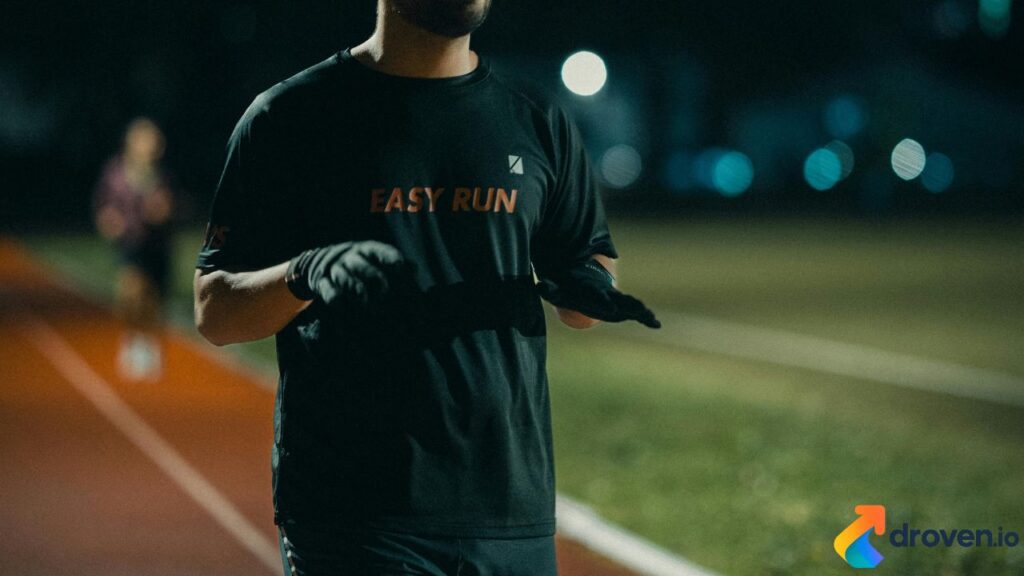
The demand for high-quality men’s sportswear has grown significantly as more individuals prioritize fitness, outdoor activities, and active lifestyles. Modern sportswear is no longer limited to professional athletes; it has become a daily wardrobe essential for gym workouts, running, training sessions, and casual wear.
Advancements in fabric technology and sports design have transformed athletic clothing into performance-enhancing gear. Today’s sportswear focuses on breathability, flexibility, durability, and comfort, helping individuals perform better during physical activities while maintaining a stylish appearance.
The Evolution of Men’s Sportswear
Athletic clothing has evolved dramatically over the past few decades. Early sportswear was often made from heavy cotton fabrics that absorbed sweat and limited movement.
Modern men’s sportswear incorporates advanced materials designed to improve performance. Synthetic fibers such as polyester blends and elastane allow athletes to move freely while staying dry and comfortable during intense workouts.
As fitness culture expanded globally, sportswear brands began designing apparel that combines functionality with fashion. This evolution gave rise to the popular athleisure trend, where sportswear is worn both in and outside fitness environments.
Key Features of High-Quality Men’s Sportswear
Choosing the right sportswear involves understanding the features that enhance athletic performance.
Moisture-Wicking Fabric
One of the most important features of modern men’s sportswear is moisture-wicking technology. These fabrics draw sweat away from the skin and allow it to evaporate quickly.
This helps regulate body temperature and keeps athletes comfortable during workouts.
Breathability
Breathable fabrics improve airflow and prevent overheating. Mesh panels and lightweight materials are commonly used in sportswear to increase ventilation.
Flexibility and Stretch
Athletic activities require a wide range of motion. Stretchable fabrics such as spandex blends allow clothing to move naturally with the body.
Durability
Sportswear must withstand repeated washing, stretching, and intense physical movement. High-quality stitching and durable fabrics ensure longevity.
Lightweight Design
Lightweight clothing reduces restrictions and helps athletes move more efficiently.
Types of Men’s Sportswear
The category of men’s sportswear includes a wide variety of clothing designed for different physical activities.
Training T-Shirts
Athletic t-shirts are essential for gym workouts, running, and sports training. They are typically made with sweat-wicking fabrics and ergonomic designs.
Performance Shorts
Running and training shorts provide mobility and ventilation. Many designs include elastic waistbands and breathable mesh panels.
Compression Wear
Compression garments support muscles and improve circulation. They are commonly used by athletes during high-intensity workouts.
Track Pants and Joggers
Track pants and joggers offer comfort and flexibility for both workouts and casual wear.
Athletic Jackets and Hoodies
Sports jackets and hoodies provide warmth during outdoor training sessions while maintaining breathability.
Choosing the Right Sportswear for Different Activities
Different sports and workouts require specialized clothing.
Gym Workouts
Gym training requires flexible clothing that allows free movement. Stretchable shorts and moisture-wicking shirts are ideal.
Running
Runners benefit from lightweight clothing that reduces friction and improves airflow.
Outdoor Sports
Outdoor sports may require layered clothing to adapt to changing weather conditions.
Team Sports
Sports such as football, basketball, or tennis require durable clothing designed for rapid movement and physical contact.
Selecting appropriate men’s sportswear ensures comfort and performance across different activities.
Fabric Technologies Used in Sportswear
Sportswear manufacturers invest heavily in research to develop advanced materials.
Polyester Blends
Polyester is commonly used due to its moisture-wicking and quick-drying properties.
Elastane (Spandex)
Elastane provides stretch and flexibility, allowing clothing to adapt to body movements.
Nylon
Nylon fabrics are lightweight and resistant to abrasion, making them suitable for high-performance sportswear.
Bamboo Fabric
Bamboo-based fabrics are gaining popularity because they are breathable, eco-friendly, and naturally antibacterial.
These materials improve the functionality and comfort of modern men’s sportswear.
Sportswear and the Rise of Athleisure
Athleisure is a fashion trend that blends athletic clothing with everyday casual wear. Many people now wear sportswear not only during workouts but also for daily activities.
This shift has influenced sportswear brands to design apparel that is both performance-oriented and stylish. As a result, men’s sportswear now includes modern designs suitable for gyms, travel, and casual social settings.
Tips for Maintaining Sportswear
Proper care extends the lifespan of sportswear.
Wash in Cold Water
Cold water protects fabric elasticity and prevents damage to moisture-wicking fibers.
Avoid Fabric Softeners
Fabric softeners can clog the fibers in performance fabrics and reduce breathability.
Air Dry When Possible
High heat from dryers can weaken fabric elasticity.
Wash After Workouts
Sweat can degrade fabrics over time if clothing is not washed promptly.
Following these practices keeps men’s sportswear in optimal condition for longer use.
The Future of Sportswear Innovation
Technology continues to transform athletic apparel. Future developments in sportswear may include:
- Smart fabrics that monitor body temperature
- Integrated fitness tracking sensors
- Sustainable eco-friendly materials
- Advanced compression technology
These innovations will continue improving the performance and comfort of athletic clothing.
FAQs
What is men’s sportswear?
Men’s sportswear refers to athletic clothing designed for physical activities such as workouts, running, sports training, and fitness routines.
What fabrics are best for sportswear?
Moisture-wicking materials such as polyester blends, nylon, and elastane are commonly used because they provide breathability and flexibility.
Can sportswear be worn casually?
Yes. The athleisure trend allows sportswear to be worn both for workouts and everyday casual wear.
How should sportswear fit?
Sportswear should fit comfortably without restricting movement. Slightly fitted clothing improves performance while allowing flexibility.
How often should sportswear be replaced?
Replacement depends on usage and fabric wear. High-quality sportswear can last several months to years with proper care.
