
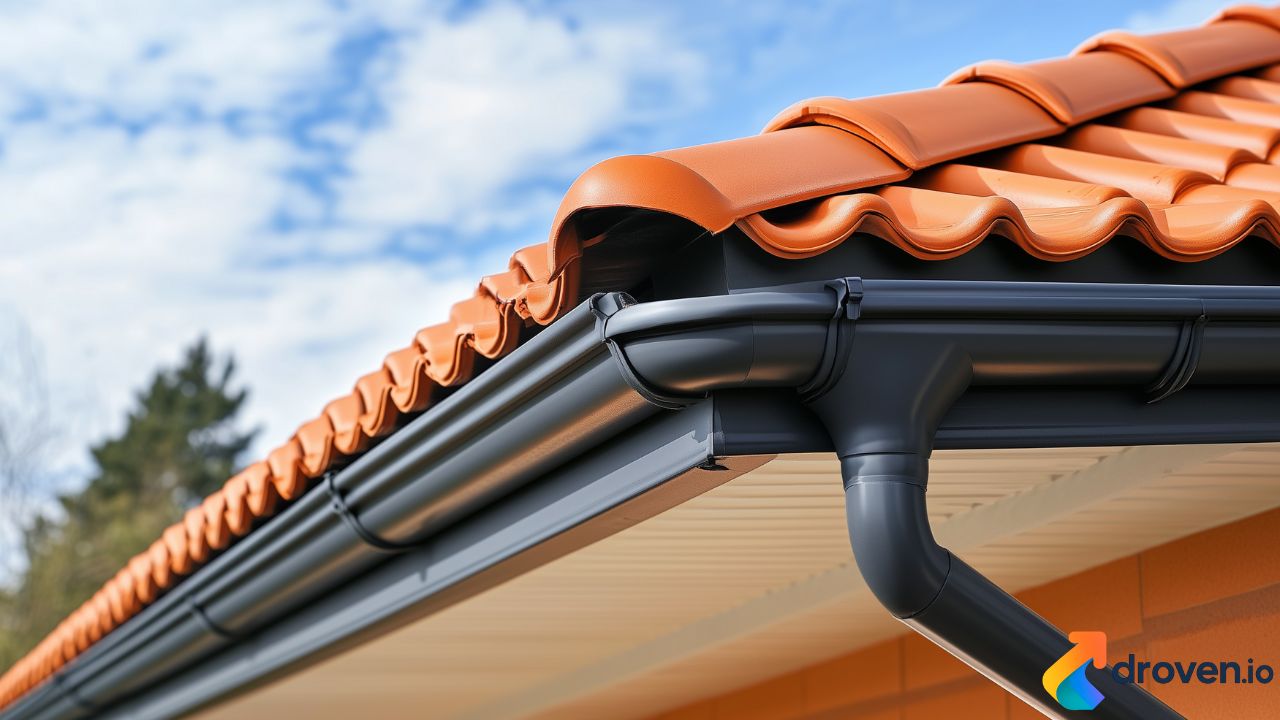
Effective water management is essential in modern architecture, especially for flat roofs and parapet walls. Metal scuppers and water spouts that show real product designs combine practical drainage solutions with architectural style. These components help direct rainwater away from roofs and building structures while adding decorative or industrial design elements.
Architects and builders often choose metal scuppers and spouts for their durability, weather resistance, and visual appeal.
What Are Metal Scuppers?
A scupper is an opening installed in a wall or roof edge that allows water to drain from flat roofs or terraces. Instead of relying solely on internal drainage systems, scuppers allow water to exit the building structure and flow outward.
Metal scuppers are commonly used in:
- Commercial buildings
- Residential flat roofs
- Parapet wall drainage systems
- Rooftop decks and terraces
These drainage components help prevent water buildup that could damage roofing systems.
What Are Water Spouts?
Water spouts are extensions connected to scuppers or drainage outlets that direct water away from the building. They control the flow of rainwater and often act as decorative architectural features.
Water spouts may include:
- Straight outlet pipes
- Decorative rain spouts
- Extended drainage channels
- Sculptural water outlets
These features help prevent water from running down building walls.
Common Materials Used in Metal Scuppers and Spouts
Real product designs often use durable metals designed to withstand outdoor exposure.
Copper
Copper is widely used for architectural drainage components.
Benefits include:
- Long lifespan
- Natural corrosion resistance
- Attractive patina that develops over time
Copper scuppers are commonly used in luxury or historic buildings.
Stainless Steel
Stainless steel provides a modern and industrial appearance.
Advantages include:
- High strength and durability
- Rust resistance
- Clean architectural aesthetic
It is commonly used in commercial buildings.
Aluminum
Aluminum is lightweight and affordable while still offering good weather resistance.
It is often used for:
- Residential roofing systems
- Modern architectural designs
Galvanized Steel
Galvanized steel provides strong protection against corrosion and is commonly used in industrial or commercial drainage systems.
Popular Real Product Designs
Manufacturers produce several design styles for metal scuppers and water spouts.
Rectangular Scuppers
Rectangular scuppers are one of the most common designs used in flat roof drainage systems.
Features include:
- Clean architectural lines
- Efficient water flow
- Easy integration with parapet walls
Round Pipe Spouts
Round spouts extend outward from the wall and direct water away from the building.
These are often paired with downspouts or decorative rain chains.
Decorative Architectural Spouts
Some designs focus on aesthetics as well as functionality.
Examples include:
- Sculptural copper spouts
- Custom metal designs
- Traditional European-style water outlets
These designs are often used in custom architecture.
Box-Style Scuppers
Box scuppers are enclosed structures that channel water through a rectangular outlet.
They are commonly used in modern architectural designs where clean lines are important.
Benefits of Metal Scuppers and Water Spouts
Using metal scuppers and water spouts offers several advantages.
Effective Roof Drainage
Scuppers help remove water quickly from flat roofs, reducing the risk of pooling.
Structural Protection
Proper drainage protects roofing materials and building walls from water damage.
Architectural Design Element
Decorative scuppers and spouts can enhance the visual appeal of a building.
Durability
Metal components are resistant to weather, corrosion, and long-term wear.
Where Metal Scuppers Are Commonly Installed
Metal scuppers and water spouts are used in a wide range of building types.
Common installations include:
- Commercial buildings
- Apartment complexes
- Modern residential homes
- Historic architectural renovations
- Rooftop terraces and patios
Their flexibility makes them suitable for many architectural designs.
Custom Metal Scupper Designs
Many architects and builders choose custom metal scuppers for unique building designs.
Custom options may include:
- Specific shapes and dimensions
- Decorative finishes
- Custom water flow designs
- Integration with gutter systems
Custom fabrication allows drainage systems to match architectural style while maintaining functionality.
Maintenance Tips for Metal Scuppers
Proper maintenance helps ensure long-term performance.
Recommended practices include:
- Regular inspection for debris buildup
- Cleaning outlets after heavy storms
- Checking seals and connections
- Preventing rust or corrosion where applicable
Routine maintenance helps prevent drainage blockages and water damage.
Conclusion
Metal scuppers and water spouts that show real product designs provide both practical drainage solutions and architectural enhancements for buildings. Whether used in residential homes or commercial structures, these components play a critical role in directing rainwater away from roofs and protecting building structures.
With options ranging from simple rectangular outlets to decorative copper spouts, metal scuppers offer durable and visually appealing solutions for modern drainage systems.
FAQs
What are metal scuppers used for?
Metal scuppers allow water to drain from flat roofs or parapet walls to prevent water accumulation.
What materials are commonly used for scuppers?
Common materials include copper, stainless steel, aluminum, and galvanized steel.
Are decorative water spouts functional?
Yes, decorative spouts both control water flow and enhance architectural appearance.
Where are scuppers usually installed?
They are typically installed on flat roofs, parapet walls, terraces, and commercial buildings.
Do metal scuppers require maintenance?
Yes, regular cleaning and inspections help prevent blockages and ensure proper drainage.
