
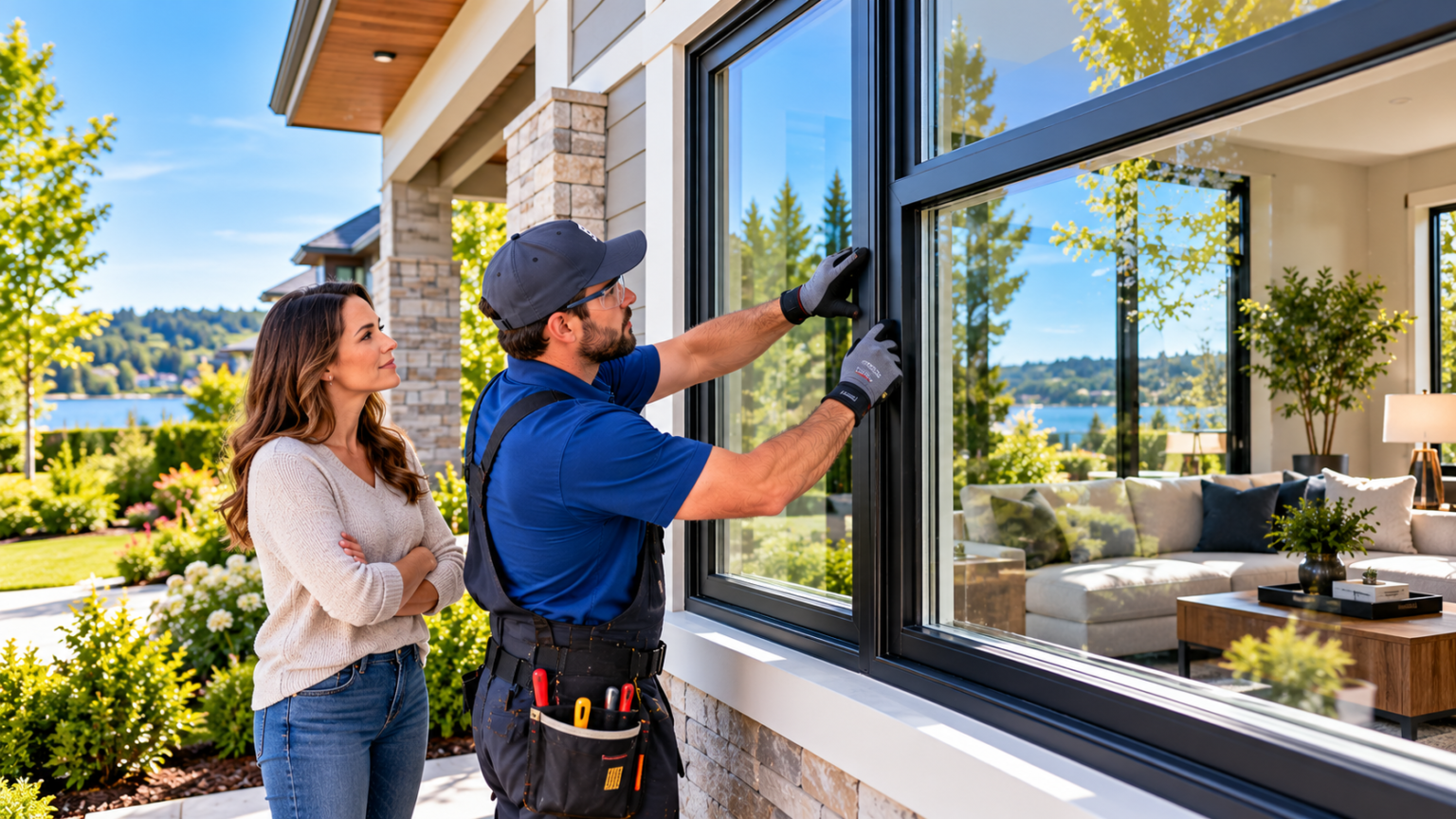
Windows are an important part of any home’s exterior because they influence appearance, natural lighting, ventilation, indoor comfort, and protection from outdoor conditions. Over time, however, older windows can begin to show signs of wear that affect both their appearance and performance. Drafts, damaged seals, difficult operation, condensation between glass panes, deteriorating frames, and moisture around the opening can all indicate that existing windows are no longer performing as effectively as they once did. Replacing outdated windows can provide an opportunity to improve several areas of the home at the same time, particularly when the replacement project is planned as part of a broader exterior renovation. Modern window systems are available in different materials, styles, glass configurations, and operating designs, allowing homeowners to select options that fit their property’s architecture and everyday requirements. A properly planned replacement project can create a cleaner exterior appearance while also supporting better insulation, easier maintenance, improved ventilation, and greater day-to-day convenience. For homeowners considering an exterior upgrade, understanding the available materials and installation considerations can make it easier to select a solution that provides lasting value.
Understanding the Importance of Quality Windows
Windows do much more than provide a view of the outdoors. They are part of the home’s building envelope and help control the movement of heat, air, moisture, and sunlight between the interior and exterior. When windows are old or damaged, they can become one of the weaker points in the envelope, allowing unwanted air movement or moisture to enter the property. A window with worn seals may allow drafts to develop around the frame, while damaged glass seals can result in fogging or condensation between panes. These problems can affect comfort and may become increasingly noticeable during periods of extreme weather. Modern replacement windows are designed with improved frames, insulated glass, weather seals, and hardware that can help address many of these concerns when the products are properly selected and installed. The U.S. Department of Energy explains that window performance depends on several factors, including frame materials, glazing, gas fills, coatings, and overall construction. This means homeowners should evaluate the complete window system instead of focusing on only one feature. Proper installation is equally important because even an efficient product may not perform as expected if it is poorly fitted or inadequately sealed.
Benefits of Choosing Vinyl Frames
For many homeowners, vinyl offers a practical combination of durability, low maintenance, and useful thermal performance. Unlike painted wood, vinyl frames generally do not require routine painting or staining, which can make them easier to maintain over the long term. The material is also resistant to moisture and does not experience the same type of rot associated with untreated wood. These characteristics can be especially useful for exterior components that are regularly exposed to rain, humidity, sunlight, and changing temperatures. Modern vinyl windows are available in a wide range of styles and configurations, making it possible to coordinate replacement units with different architectural designs while maintaining a consistent exterior appearance. Another consideration is thermal resistance. Vinyl generally conducts less heat than metal framing materials, although the efficiency of a complete window depends on the frame, glass package, seals, installation, and other design factors. Homeowners should therefore compare complete products rather than assuming that the frame material alone determines energy performance. When properly selected and professionally installed, vinyl can provide a durable and relatively low-maintenance solution for homeowners who want to update aging windows without adding extensive ongoing exterior maintenance.
Improving Indoor Comfort Through Replacement
One of the most noticeable reasons homeowners consider replacing old windows is a change in indoor comfort. Rooms located near inefficient windows may feel colder during colder weather or warmer when outdoor temperatures rise. Drafts can make certain areas uncomfortable and may cause occupants to adjust thermostats more frequently in an attempt to compensate. While windows are not the only factor that affects indoor temperature, replacing damaged or inefficient units can contribute to a more consistent indoor environment. Modern insulated glass systems are designed to reduce unwanted heat transfer, while appropriate frame construction and weather seals can help limit air leakage around the opening. Homeowners should remember that overall comfort also depends on insulation, air sealing, HVAC equipment, doors, roofing, and other parts of the building envelope. For that reason, a professional evaluation can be useful when determining whether replacement windows are the appropriate solution for a particular problem. Instead of focusing only on visible damage, an experienced contractor can examine the condition of the window, surrounding trim, siding, and opening to determine whether replacement, repair, or additional exterior work is appropriate.
Understanding Glass Options
The glass package is one of the most important parts of a replacement window because it has a direct effect on heat transfer, sunlight, visibility, and overall performance. Single-pane glass provides considerably less insulation than modern insulated glazing, which is why older single-pane windows can contribute to uncomfortable indoor temperatures. Double-pane and triple-pane units contain multiple layers of glass separated by sealed spaces, and these spaces can be filled with insulating gases such as argon. Low-emissivity coatings can also be used to control the movement of heat through the glass while allowing natural light to enter the home. The appropriate configuration depends on the property, climate conditions, orientation of the windows, and homeowner priorities. Rather than selecting the most advanced option automatically, homeowners should discuss the available glass packages with a knowledgeable professional who can explain the practical differences between them. Window ratings can also provide useful information when comparing products because they allow homeowners to examine characteristics such as heat transfer and solar heat gain. A complete evaluation of glass, frame, installation, and placement can lead to a more suitable decision than choosing a window based solely on appearance.
Selecting a Window Style for Each Area
Window style affects the way a room looks and how the opening functions. Double-hung windows are commonly selected because they provide familiar operation and can offer useful ventilation from different sections of the opening. Casement windows operate differently and can provide a broad opening when ventilation is a priority, while sliding windows may be appropriate where horizontal movement is preferred. Picture windows can provide expansive views and natural light in areas where ventilation is not the primary requirement. Awning-style designs may also provide ventilation while offering a configuration that can work well in certain exterior layouts. Homeowners should consider how often a window will be opened, how easy it will be to clean, how much ventilation is desired, and how the selected style will complement the existing architecture. Choosing the right style is not simply an aesthetic decision because operating mechanisms, glass area, frame dimensions, and opening direction can all influence everyday usability. A professional window contractor can review the existing openings and explain which styles are practical for the structure while helping homeowners create a consistent appearance throughout the property.
Coordinating Windows With Exterior Renovations
Windows are closely connected to other exterior components, particularly siding, trim, flashing, and weather-resistant layers around the wall opening. When a homeowner is already planning a siding renovation, replacing outdated windows during the same broader project may provide an opportunity to coordinate the appearance and installation of both systems. New windows can be selected to complement the color, profile, and design of the siding, creating a more unified exterior. More importantly, proper coordination can help ensure that the area around the window is correctly integrated with the surrounding exterior materials. Removing older siding or trim can sometimes reveal moisture damage, deteriorated sheathing, or other conditions that were not visible beforehand. Addressing these issues before completing the new installation can help protect the finished project. Homeowners should therefore look at windows as one part of the entire exterior rather than treating them as completely separate components. Contractors experienced with roofing, siding, and window-related work can often provide useful guidance when several exterior improvements need to work together.
Signs That Replacement May Be Necessary
Not every aging window requires immediate replacement, but several warning signs can indicate that an evaluation is worthwhile. Difficulty opening or closing a window may result from worn hardware, frame movement, or deterioration around the opening. Drafts that remain noticeable even when the window is closed may indicate problems with seals or installation. Moisture trapped between insulated glass panes is another common concern because it can indicate that the sealed glass unit has failed. Homeowners may also notice peeling finishes, damaged trim, staining, or deterioration around the frame. These issues should not automatically be assumed to originate from the window itself because water intrusion can involve surrounding siding, flashing, roofing, or other exterior components. A professional inspection can help identify where the problem begins and whether replacement is the most appropriate solution. Waiting until a minor issue becomes extensive may result in more complicated repairs, particularly if moisture has affected materials around the opening. Early attention can make it easier to plan the work and determine which components need to be repaired or replaced.
The Importance of Professional Installation
The quality of installation can have a significant effect on how well a replacement window performs over time. Accurate measurements are essential because the new unit must fit the existing opening correctly while leaving appropriate space for adjustment and sealing. Once the window is positioned, the surrounding area needs to be properly integrated with the wall system using appropriate flashing, insulation, sealants, and other installation materials. These details help manage water and air movement around the opening and can reduce the risk of future performance problems. Poor installation can create drafts, moisture intrusion, operational difficulties, and premature deterioration even when the selected window itself is high quality. Professional installation is especially important when windows are being replaced alongside siding because removing exterior materials can expose conditions that require attention before the project can be completed correctly. Homeowners should ask contractors about their installation process, the products being used, the expected project timeline, and how the surrounding exterior will be protected during construction. Clear communication before work begins can help ensure that the finished installation meets both functional and aesthetic expectations.
Maintenance After Window Replacement
One advantage of modern replacement windows is that routine maintenance can generally be kept manageable, particularly when homeowners select durable materials and quality components. Regular cleaning can help maintain the appearance of the glass and frames, while periodic inspections can identify developing issues before they become more serious. Homeowners should pay attention to drainage areas around the window and keep them free from dirt, leaves, and other debris that could interfere with proper water management. Operating hardware should also be used carefully because forcing a window that is difficult to open can damage the mechanism. If operation becomes noticeably harder, it is better to investigate the cause rather than repeatedly applying excessive force. Weather seals and exterior caulking should also be checked periodically for signs of deterioration. Maintaining the surrounding siding and trim can further protect the window opening from moisture exposure. Although replacement windows are designed for long-term use, basic maintenance remains important for preserving their appearance, operation, and weather resistance.
Considering Long-Term Value
Homeowners should evaluate replacement windows according to their long-term benefits rather than simply selecting the least expensive option available. Initial price is certainly an important part of a renovation budget, but durability, glass performance, frame quality, installation, warranty coverage, maintenance requirements, and appearance can all influence the overall value of a project. A properly installed window that remains easy to operate and maintain for many years may provide greater practical value than a cheaper product that requires frequent attention or performs poorly. Appearance should also be considered because windows can have a noticeable effect on the exterior character of a property. Consistent frame styles, attractive trim, clean glass, and coordinated colors can make an exterior look more updated and carefully maintained. Homeowners who are already planning other improvements, such as siding replacement or exterior repairs, may want to evaluate whether window replacement should be incorporated into the larger renovation. Coordinating projects can help create a more consistent result and may reduce the need to disturb newly completed exterior work later.
Working With an Experienced Exterior Contractor
Choosing the right contractor is an important part of any window replacement project. Homeowners should look for professionals who understand not only window products but also the surrounding exterior systems that influence installation quality. A contractor with experience in roofing, siding, window replacement, and related exterior improvements may be better prepared to identify conditions around the opening and coordinate multiple parts of a renovation. Before beginning the project, homeowners should ask about product options, installation methods, measurements, warranties, cleanup, and the treatment of existing materials. It is also useful to discuss the desired appearance and performance goals so the contractor can recommend suitable options rather than simply presenting a standard product. Homeowners researching replacement solutions can explore vinyl windows as part of a broader approach to improving exterior appearance, durability, and everyday comfort. A professional contractor can help determine which window style, glass configuration, frame option, and installation approach best fits the existing property.
Preparing for a Successful Replacement Project
Preparation can make the replacement process more organized and help homeowners make better decisions before construction begins. Start by identifying the windows that create the most noticeable problems, such as drafts, difficult operation, visible deterioration, condensation, or exterior damage. Consider whether the goal is primarily to improve appearance, comfort, ventilation, maintenance, or overall exterior performance, because these priorities can influence product selection. Homeowners should also think about how the replacement windows will coordinate with existing siding, trim, doors, roofing, and other exterior features. Reviewing frame colors, operating styles, glass packages, hardware, and warranty information before ordering the products can reduce uncertainty later. It is equally important to discuss the condition of the existing openings because a replacement project can sometimes reveal hidden deterioration that requires additional work. A detailed conversation with the contractor before installation allows homeowners to understand what is included and provides an opportunity to address questions about preparation, installation, finishing, and cleanup.
Creating a More Functional Exterior
A successful window replacement project can contribute to a home that feels more comfortable while also improving its overall exterior appearance. New windows can provide smoother operation, cleaner lines, updated styling, improved ventilation, and better integration with modern exterior materials. When combined with quality siding and proper maintenance, replacement windows can become part of a cohesive exterior system designed to withstand everyday exposure while remaining attractive. Homeowners should approach the project as a long-term improvement rather than simply a cosmetic change. Evaluating the condition of the existing windows, selecting suitable materials, choosing appropriate glass, coordinating the design with the exterior, and investing in professional installation can all contribute to a better result. With thoughtful planning, replacement windows can support the practical needs of the household while also helping create a cleaner and more updated appearance.
Conclusion
Window replacement is an important home improvement decision because windows influence comfort, energy performance, ventilation, maintenance, natural light, and exterior appearance. Choosing the right frame material and glass configuration can help address problems associated with aging or inefficient windows, while professional installation ensures that the new units are properly integrated with the surrounding wall and exterior systems. Vinyl windows can be a practical option for homeowners seeking a combination of low maintenance, moisture resistance, durability, and design flexibility. Their long-term performance, however, depends on the quality of the complete window system and the installation process rather than the frame material alone.Homeowners should take time to evaluate their existing windows, identify specific problems, compare available options, and consider how replacement units will work with siding, trim, roofing, and other exterior components. Professional guidance can make the process easier by helping identify suitable products and addressing potential issues around the existing openings. When carefully planned and properly installed, vinyl windows can contribute to a more comfortable, attractive, and functional home while reducing the maintenance demands associated with older window systems.
