
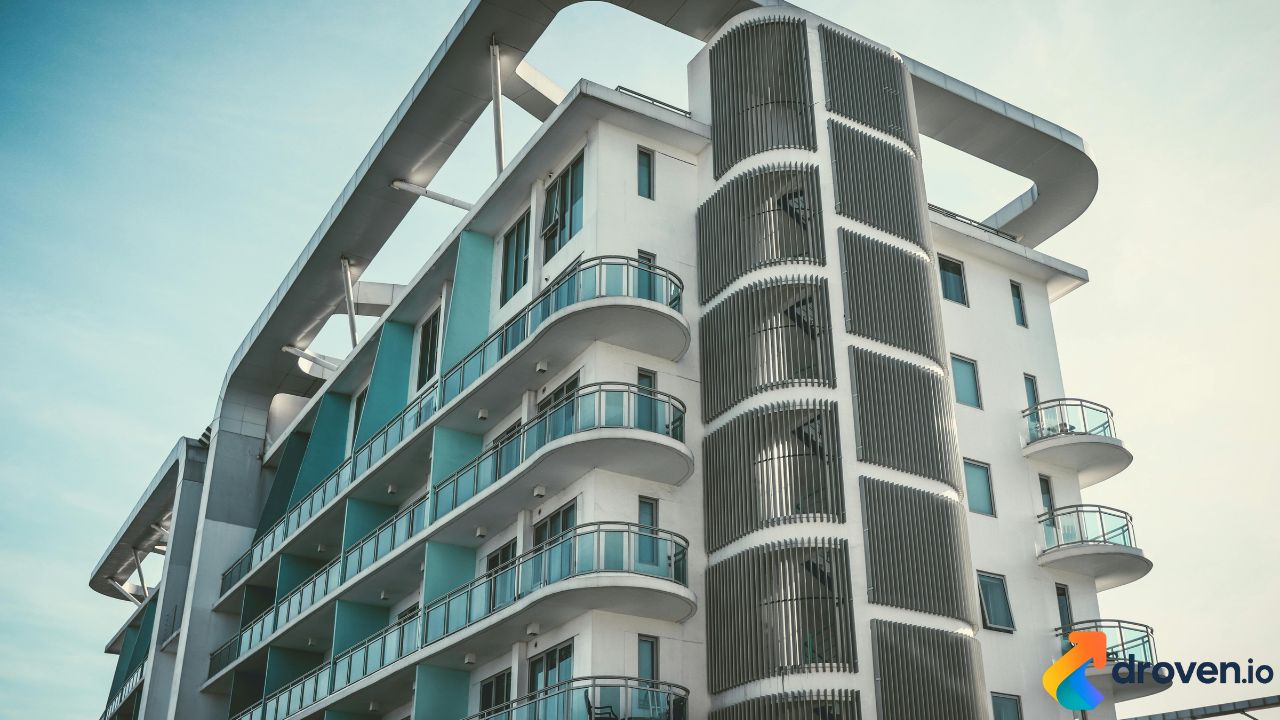
Healthcare infrastructure plays a vital role in providing efficient medical services to growing populations. Hospitals, clinics, and medical centers must often expand quickly to meet rising demand for patient care. Traditional construction methods can take years to complete, which may delay essential healthcare services. For this reason, modular buildings for healthcare have emerged as a practical solution for modern medical facility development.
Modular construction involves manufacturing building components in controlled factory environments and assembling them on-site. This method allows healthcare organizations to build new facilities faster while maintaining high construction quality. Modular healthcare buildings can be used for hospitals, diagnostic centers, laboratories, emergency departments, and temporary medical units.
As healthcare systems continue to evolve, modular construction provides flexible, scalable solutions that help medical providers expand their services efficiently.
What Are Modular Buildings for Healthcare?
Modular healthcare buildings are prefabricated structures designed specifically for medical use. Instead of constructing an entire building on-site, modular sections are produced in factories and transported to the final location for assembly.
These modular units are engineered to meet healthcare standards and regulations. They often include specialized features such as:
- Patient rooms
- Surgical suites
- Medical laboratories
- Administrative offices
- Waiting areas
Because they are designed for medical environments, modular buildings for healthcare must comply with strict healthcare construction and safety regulations.
Why Healthcare Facilities Use Modular Construction
Healthcare providers often face challenges when expanding facilities or responding to increased patient demand.
Modular construction helps address these challenges.
Faster Construction Time
Modular buildings can be completed much faster than traditional construction because manufacturing and site preparation occur simultaneously.
Reduced Disruption
Hospitals can continue operating while modular units are installed nearby.
Scalability
Healthcare facilities can expand modular buildings easily as demand grows.
Cost Efficiency
Factory production reduces material waste and construction delays.
These benefits make modular buildings for healthcare an attractive solution for medical organizations.
Types of Modular Healthcare Facilities
Modular construction can be used for various healthcare environments.
Modular Hospitals
Entire hospital wings or temporary hospital facilities can be built using modular construction.
Medical Clinics
Outpatient clinics and primary care centers are commonly built with modular units.
Diagnostic and Imaging Centers
Facilities for radiology, MRI, and laboratory testing can be designed using modular systems.
Emergency Medical Units
Modular structures are often used during emergencies or disaster response situations.
Specialized Treatment Centers
Modular buildings can house treatment areas for dialysis, rehabilitation, and mental health services.
These applications demonstrate the flexibility of modular buildings for healthcare.
Advantages of Modular Healthcare Construction
Modular construction offers several advantages compared to traditional building methods.
Improved Construction Quality
Modules are built in controlled factory environments where quality can be carefully monitored.
Faster Project Completion
Healthcare facilities can open sooner because construction timelines are shorter.
Design Flexibility
Modular systems allow customization based on medical requirements.
Reduced Environmental Impact
Factory-based construction reduces material waste and energy consumption.
Enhanced Safety
Controlled manufacturing environments reduce construction-site risks.
These advantages contribute to the growing popularity of modular healthcare construction.
Design Considerations for Healthcare Modular Buildings
Designing modular medical facilities requires careful planning to meet healthcare standards.
Key design considerations include:
Infection Control
Healthcare buildings must maintain strict infection prevention standards.
Patient Accessibility
Facilities must comply with accessibility regulations for patients with disabilities.
Medical Equipment Integration
Designs must accommodate specialized equipment such as imaging machines and surgical tools.
Efficient Layout
Medical facilities require efficient layouts to support patient flow and staff movement.
Proper design ensures that modular buildings for healthcare function effectively as medical environments.
Materials Used in Modular Healthcare Construction
Healthcare modular buildings are constructed using durable materials that meet strict safety and hygiene standards.
Common materials include:
- Steel structural frames
- Reinforced concrete foundations
- High-performance insulation
- Medical-grade interior finishes
- Antimicrobial surfaces
These materials help create safe and long-lasting medical environments.
Modular Buildings in Emergency Healthcare
One of the most significant advantages of modular healthcare buildings is their ability to support emergency medical responses.
During public health emergencies or natural disasters, modular facilities can be deployed rapidly to provide:
- Temporary hospitals
- Vaccination centers
- Isolation units
- Mobile treatment facilities
These capabilities allow healthcare providers to respond quickly to urgent medical needs.
Sustainability in Modular Healthcare Construction
Sustainability is becoming an important factor in healthcare building design.
Modular construction contributes to environmental sustainability in several ways.
Reduced Material Waste
Factory-based production uses materials more efficiently.
Energy Efficiency
Modern modular buildings often include energy-efficient systems.
Sustainable Materials
Environmentally friendly materials can be integrated into modular construction.
Reduced Construction Emissions
Shorter construction timelines help reduce environmental impact.
These factors make modular buildings for healthcare a sustainable infrastructure solution.
Technology Integration in Modular Healthcare Facilities
Modern healthcare buildings often incorporate advanced technologies.
Examples include:
- Smart lighting and climate control systems
- Telemedicine infrastructure
- Digital patient monitoring systems
- Automated medical record systems
Modular construction can integrate these technologies into facility designs.
Cost Considerations for Modular Healthcare Buildings
Costs for modular healthcare construction depend on several factors.
These include:
- Facility size
- Level of medical equipment integration
- Building materials
- Custom design features
- Installation and site preparation
Although modular construction often reduces overall project costs, detailed planning is essential to ensure accurate budgeting.
Challenges of Modular Healthcare Construction
Despite its benefits, modular construction also presents certain challenges.
Transportation Logistics
Large modular units must be transported carefully to installation sites.
Regulatory Compliance
Healthcare facilities must meet strict medical building regulations.
Design Limitations
Some complex architectural designs may be more difficult to achieve with modular construction.
However, advances in modular engineering continue addressing these challenges.
Future of Modular Healthcare Facilities
The healthcare industry is increasingly adopting modular construction for new facilities.
Future developments may include:
Smart Modular Hospitals
Fully integrated digital infrastructure will support advanced patient monitoring and hospital management.
Rapid Response Medical Units
Modular healthcare units may be used for disaster relief and humanitarian missions.
Sustainable Healthcare Buildings
Eco-friendly materials and energy systems will play a larger role in modular design.
These innovations will continue improving the effectiveness of modular buildings for healthcare.
FAQs
What are modular healthcare buildings?
Modular healthcare buildings are prefabricated medical facilities manufactured in sections and assembled on-site.
Are modular healthcare buildings safe?
Yes. They are designed to meet strict healthcare building standards and safety regulations.
How long does it take to build a modular healthcare facility?
Modular buildings can often be completed significantly faster than traditional construction projects.
Can modular buildings be permanent healthcare facilities?
Yes. Modular healthcare buildings can serve as both temporary and permanent medical structures.
Are modular healthcare buildings customizable?
Yes. They can be designed to meet specific medical, operational, and patient care requirements.
Why are modular buildings useful for healthcare expansion?
They allow hospitals and clinics to expand quickly while minimizing disruption to existing operations.
