
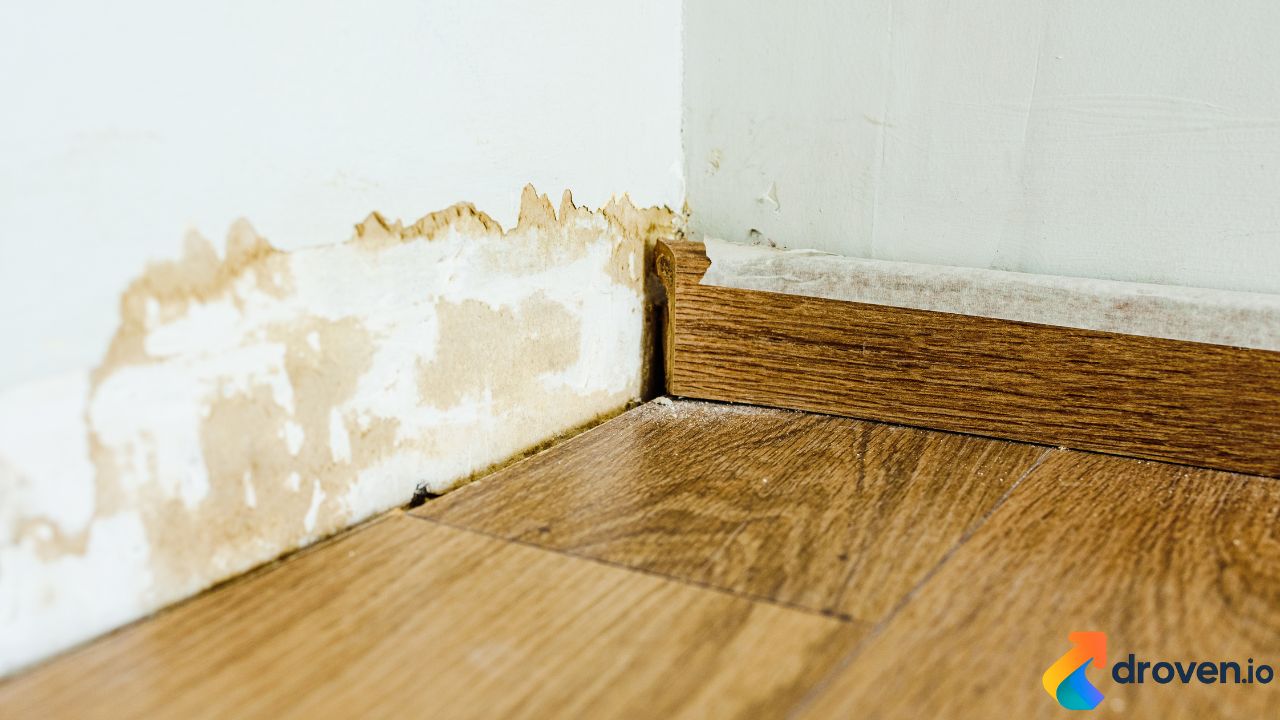
Moisture damage is one of the most common and costly problems affecting residential and commercial buildings. When excess moisture enters a structure, it can weaken building materials, cause mold growth, and lead to serious structural deterioration over time. Understanding the causes, warning signs, and prevention methods of moisture damage is essential for homeowners, property managers, and building professionals.
Moisture can infiltrate a property in many ways, including leaking pipes, roof damage, poor ventilation, and foundation cracks. Once water enters walls, ceilings, or flooring, it may remain hidden for long periods, slowly causing damage that becomes expensive to repair.
Proper moisture control and early detection are key strategies for protecting a building’s structural integrity and maintaining a healthy indoor environment.
What Is Moisture Damage?
Moisture damage refers to deterioration that occurs when water or excess humidity affects building materials such as wood, drywall, insulation, and flooring. Over time, prolonged exposure to moisture can cause materials to weaken, warp, rot, or develop mold.
Common areas where moisture damage occurs include:
- Basements
- Bathrooms
- Kitchens
- Attics
- Roof structures
- Exterior walls
Because moisture can spread through porous materials, even a small leak can eventually lead to extensive property damage.
Common Causes of Moisture Damage
Moisture damage can originate from several sources within a building.
Plumbing Leaks
Leaking pipes are one of the most frequent causes of moisture damage in homes.
Even small leaks can lead to significant problems if left unresolved. Water from leaking pipes can seep into walls and flooring, causing hidden damage.
Roof Leaks
Damaged roofing materials allow rainwater to enter the structure. Over time, roof leaks may damage insulation, ceilings, and wooden roof supports.
Poor Ventilation
High humidity levels in areas such as bathrooms and kitchens can create condensation on walls and windows. This trapped moisture may eventually damage surrounding materials.
Foundation Cracks
Cracks in building foundations can allow groundwater to enter basements or crawl spaces.
Flooding and Storm Damage
Severe weather events, heavy rainfall, or plumbing failures can introduce large amounts of water into a building.
These situations often lead to extensive moisture damage that requires professional restoration.
Signs of Moisture Damage
Recognizing early warning signs helps property owners address problems before they worsen.
Visible Water Stains
Water stains often appear as brown or yellow discoloration on walls or ceilings.
Peeling Paint or Wallpaper
Excess moisture can cause paint and wallpaper to bubble or peel away from surfaces.
Mold Growth
Mold thrives in damp environments. Black, green, or white mold spots may indicate hidden moisture problems.
Musty Odors
Persistent musty smells are often caused by mold or mildew developing in damp areas.
Warped Flooring
Wood flooring and laminate surfaces may expand or warp when exposed to moisture.
Crumbling Drywall
Drywall exposed to water may soften, crumble, or develop cracks.
If these symptoms appear, immediate inspection and repair are recommended.
Areas Most Vulnerable to Moisture Damage
Certain parts of buildings are particularly susceptible to moisture-related issues.
Basements
Basements are prone to moisture problems because they are located below ground level.
Groundwater infiltration, poor drainage, and humidity can cause persistent dampness.
Bathrooms
Frequent water use and steam create humid conditions that can lead to condensation and mold growth.
Kitchens
Leaking appliances, sinks, and dishwashers may cause hidden moisture problems.
Attics
Poor ventilation in attics can trap warm, moist air that condenses on cooler surfaces.
Exterior Walls
Rainwater penetration through damaged siding or cracks can cause interior wall damage.
Monitoring these areas regularly helps prevent moisture damage.
Health Risks Associated With Moisture Damage
Moisture problems can affect not only buildings but also the health of occupants.
Mold Exposure
Mold growth caused by excess moisture may lead to respiratory problems.
Symptoms may include:
- Coughing
- Sneezing
- Eye irritation
- Asthma flare-ups
Allergies
Dust mites and mold spores thrive in humid environments and can trigger allergic reactions.
Indoor Air Quality Issues
Damp environments may increase airborne contaminants that affect indoor air quality.
Addressing moisture problems promptly helps maintain a healthy living environment.
Structural Risks of Moisture Damage
Long-term moisture exposure can weaken a building’s structural components.
Wood Rot
Moisture can cause wooden beams and structural supports to rot over time.
Foundation Damage
Water infiltration may weaken foundations and cause cracks or shifting.
Insulation Deterioration
Wet insulation loses its effectiveness and may require replacement.
Electrical Hazards
Water exposure near electrical systems can create safety hazards.
These risks highlight the importance of addressing moisture damage early.
Preventing Moisture Damage
Preventive measures can significantly reduce the risk of moisture-related problems.
Maintain Roofing Systems
Regular roof inspections help identify damaged shingles or flashing before leaks develop.
Fix Plumbing Leaks Quickly
Promptly repairing leaking pipes prevents water from spreading into surrounding materials.
Improve Ventilation
Using exhaust fans in bathrooms and kitchens helps reduce humidity.
Install Proper Drainage Systems
Gutters and downspouts should direct water away from the building foundation.
Seal Foundation Cracks
Sealing cracks prevents groundwater from entering basements or crawl spaces.
Use Dehumidifiers
Dehumidifiers can reduce indoor humidity levels and prevent condensation.
These strategies help protect buildings from long-term moisture problems.
Moisture Damage Inspection Methods
Professionals use several techniques to identify moisture problems.
Moisture Meters
Moisture meters measure water content in building materials such as wood and drywall.
Infrared Cameras
Thermal imaging cameras detect hidden moisture behind walls or ceilings.
Visual Inspections
Experienced inspectors look for visible signs such as stains, mold, or structural damage.
Humidity Monitoring
Monitoring indoor humidity levels helps identify environments where moisture problems may develop.
Professional inspections are often recommended for suspected moisture damage.
Moisture Damage Repair Process
Repairing moisture damage typically involves several steps.
Identify the Source
The first step is locating and fixing the source of moisture.
Remove Damaged Materials
Severely damaged materials such as drywall, insulation, or flooring may need replacement.
Dry the Area
Industrial fans and dehumidifiers help remove excess moisture.
Clean and Sanitize
Affected areas may require antimicrobial treatments to prevent mold growth.
Restore the Structure
After drying and cleaning, damaged materials are repaired or replaced.
Professional restoration services often handle extensive moisture damage cases.
Moisture Damage and Mold Remediation
When moisture problems persist, mold may develop within building materials.
Mold Inspection
Professionals inspect areas for mold contamination.
Containment
Affected areas are isolated to prevent spores from spreading.
Removal
Mold-infested materials may be removed or treated with specialized cleaning solutions.
Prevention
Controlling moisture levels prevents mold from returning.
Addressing the root cause of moisture is essential for effective mold remediation.
Long-Term Moisture Control Strategies
Maintaining long-term moisture control helps protect buildings from recurring damage.
Regular Property Inspections
Routine inspections help detect early signs of water intrusion.
Proper Landscaping
Landscaping should slope away from the building to direct rainwater away from foundations.
Waterproofing Systems
Basement waterproofing solutions can prevent groundwater infiltration.
Ventilation Improvements
Proper airflow reduces humidity and condensation inside buildings.
Building Maintenance
Maintaining roofing, plumbing, and exterior walls helps prevent water intrusion.
These strategies help reduce the risk of recurring moisture damage.
Cost of Moisture Damage Repairs
The cost of repairing moisture damage varies depending on severity.
Factors affecting repair costs include:
- Extent of water intrusion
- Structural damage
- Mold remediation requirements
- Replacement of materials such as drywall or flooring
Minor repairs may cost a few hundred dollars, while severe structural damage may require extensive restoration work.
Early detection often reduces repair costs significantly.
Future Innovations in Moisture Detection and Prevention
Advances in building technology are improving moisture detection and prevention.
Smart Moisture Sensors
Wireless sensors can detect leaks and alert property owners in real time.
Advanced Waterproofing Materials
New building materials offer improved resistance to moisture penetration.
Improved Building Design
Modern construction techniques emphasize better ventilation and moisture management.
These innovations help reduce the long-term impact of moisture-related issues.
FAQs
What causes moisture damage in homes?
Moisture damage can be caused by plumbing leaks, roof leaks, poor ventilation, foundation cracks, and flooding.
How can you detect moisture damage?
Signs include water stains, mold growth, peeling paint, musty odors, and warped flooring.
Is moisture damage dangerous?
Yes. It can weaken building structures and create health risks due to mold growth.
Can moisture damage be repaired?
Yes. Repair typically involves fixing the moisture source, drying affected areas, and replacing damaged materials.
How can moisture damage be prevented?
Regular maintenance, proper ventilation, roof inspections, and prompt leak repairs help prevent moisture problems.
