
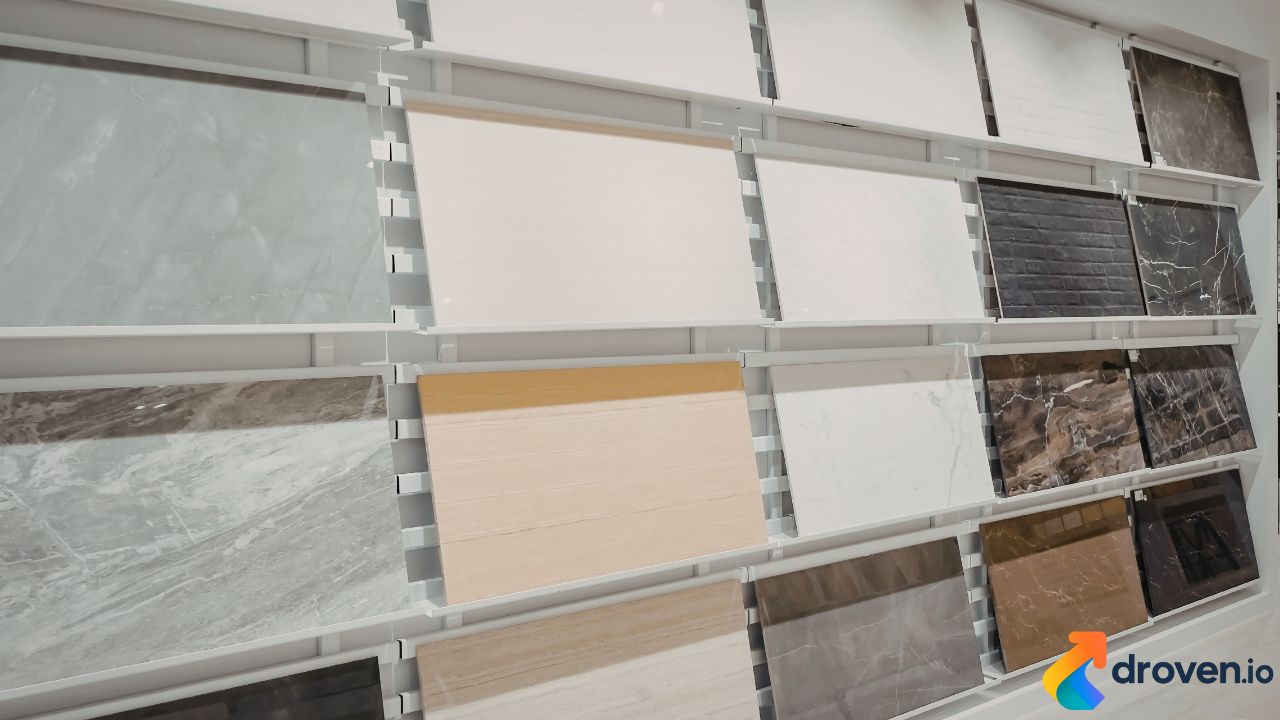
For centuries, natural materials have played a significant role in architecture and construction. Among these materials, natural stone stands out for its durability, elegance, and versatility. From ancient monuments to modern homes, natural stone continues to be one of the most valued building materials in the world.
Its unique textures, colors, and long lifespan make it a popular choice for both interior and exterior design projects. Whether used for flooring, countertops, landscaping, or building facades, natural stone provides a combination of strength and aesthetic appeal.
What Is Natural Stone?
Natural stone refers to stone materials that are formed naturally through geological processes over millions of years. These stones are extracted from quarries and then cut, shaped, and finished for use in construction and design.
Unlike synthetic materials, natural stone retains unique patterns, textures, and color variations that make each piece distinctive.
Common characteristics of natural stone include:
- durability and strength
- unique natural patterns
- resistance to wear and weather
- long lifespan
Because of these properties, natural stone is widely used in residential, commercial, and architectural projects.
Common Types of Natural Stone
There are several types of natural stone used in construction and design, each with its own characteristics.
Granite
Granite is one of the most durable natural stones available. It is commonly used for countertops, flooring, and building facades.
Key features include:
- high resistance to scratches
- heat resistance
- long-lasting durability
Marble
Marble is known for its elegant appearance and smooth surface. It is often used in luxury interior design projects.
Common applications include:
- bathroom surfaces
- decorative walls
- flooring and staircases
Limestone
Limestone is a softer stone often used for architectural details and exterior walls.
It has a natural, earthy appearance that works well in traditional and rustic designs.
Slate
Slate is a fine-grained stone commonly used for roofing, flooring, and outdoor landscaping.
Its natural texture provides slip resistance, making it suitable for outdoor surfaces.
Sandstone
Sandstone features warm tones and a natural layered appearance.
It is commonly used in patios, walkways, and building exteriors.
Benefits of Natural Stone
Natural stone offers several advantages compared to manufactured building materials.
Durability
Natural stone can last for decades or even centuries when properly maintained.
Unique Appearance
Each piece of stone has its own natural patterns and colors, creating a distinctive design.
Weather Resistance
Many natural stones withstand extreme weather conditions, making them suitable for outdoor use.
Sustainability
Natural stone is an environmentally friendly material because it is sourced directly from nature and requires minimal processing.
Increased Property Value
Homes and buildings that feature natural stone elements often have higher aesthetic and market value.
Uses of Natural Stone in Construction
Natural stone is used in a wide range of construction and architectural applications.
Flooring
Stone flooring is durable and visually appealing, making it popular in both residential and commercial spaces.
Kitchen Countertops
Granite and marble countertops are widely used due to their durability and elegant appearance.
Wall Cladding
Stone wall cladding adds texture and depth to building exteriors and interior accent walls.
Landscaping
Natural stone is often used in gardens and outdoor spaces for pathways, patios, retaining walls, and decorative elements.
Building Facades
Many architectural designs use natural stone for exterior walls because of its durability and classic appearance.
Natural Stone in Interior Design
Interior designers frequently use natural stone to create sophisticated and luxurious spaces.
Examples include:
- marble bathroom surfaces
- stone fireplaces
- decorative wall panels
- stone kitchen islands
These features enhance the overall aesthetic of a home while maintaining durability.
Natural Stone Finishes
Natural stone can be processed with different finishes depending on the desired appearance and functionality.
Common finishes include:
Polished Finish
A polished finish creates a smooth and glossy surface often used for countertops and decorative surfaces.
Honed Finish
Honed stone has a matte appearance and is commonly used for flooring.
Brushed Finish
This finish gives the stone a slightly textured look while maintaining a natural feel.
Split Face Finish
Split face stones have rough textures that are often used for decorative walls and facades.
Maintenance Tips for Natural Stone
Although natural stone is durable, proper maintenance helps preserve its appearance.
Recommended care practices include:
- sealing porous stones periodically
- cleaning spills quickly to prevent stains
- using stone-safe cleaning products
- avoiding harsh chemicals
Regular maintenance ensures that natural stone surfaces remain attractive for many years.
Natural Stone vs Engineered Materials
Modern construction also uses engineered stone products designed to mimic natural stone.
However, natural stone offers several unique benefits:
- authentic natural patterns
- long-term durability
- natural geological formation
- unique character
For many homeowners and designers, the authenticity of natural stone remains unmatched.
The Future of Natural Stone in Architecture
Natural stone continues to play an important role in sustainable architecture and modern design. Architects and designers increasingly combine traditional stone materials with contemporary building techniques.
Future trends may include:
- eco-friendly quarrying practices
- advanced stone cutting technologies
- innovative architectural designs using stone
These developments will continue to highlight the value of natural stone in construction.
Conclusion
Natural stone remains one of the most durable and visually appealing materials used in construction and design. Its timeless beauty, strength, and versatility make it suitable for a wide range of applications—from flooring and countertops to landscaping and architectural facades.
By incorporating natural stone into homes and buildings, designers and homeowners can create elegant spaces that stand the test of time.
FAQs
What is natural stone used for?
Natural stone is used for flooring, countertops, wall cladding, landscaping, and building exteriors.
Which natural stone is most durable?
Granite is one of the most durable natural stones and is widely used for countertops and construction.
Is natural stone environmentally friendly?
Yes, natural stone is considered sustainable because it is a natural material with minimal processing.
Does natural stone require maintenance?
Yes, regular sealing and proper cleaning help maintain the appearance and durability of natural stone.
What makes natural stone unique?
Each piece of natural stone has unique patterns, colors, and textures formed by natural geological processes.
