
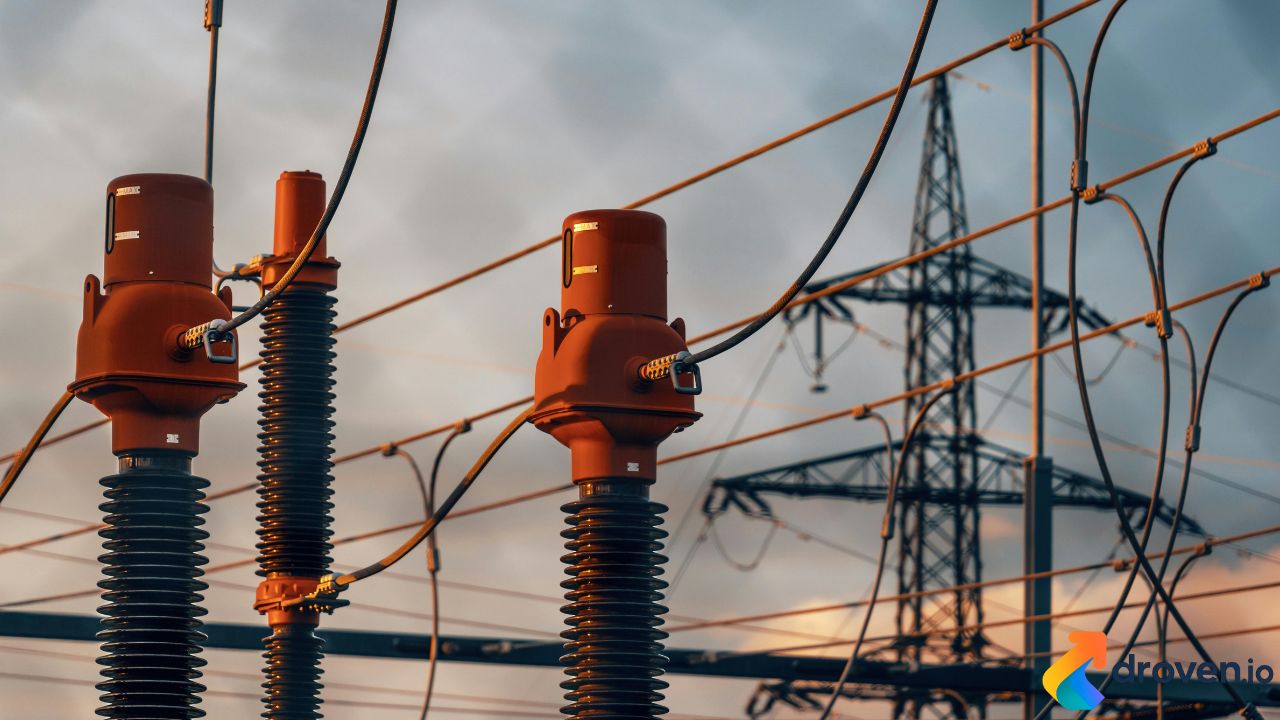
Extreme weather events can significantly disrupt infrastructure and essential services. Outages caused by extreme weather often affect power grids, communication networks, transportation systems, and water supplies. Hurricanes, thunderstorms, snowstorms, floods, and heatwaves can damage equipment and overwhelm infrastructure systems, leading to widespread service interruptions.
As climate patterns change and extreme weather events become more frequent, utilities and communities are increasingly focusing on improving resilience and reducing the impact of weather-related outages.
What Are Weather-Related Outages?
Weather-related outages occur when severe environmental conditions damage infrastructure or disrupt operations. These outages can affect several services, including electricity, internet connectivity, and transportation networks.
Power outages are among the most common disruptions caused by extreme weather. High winds, lightning strikes, ice accumulation, and flooding can damage power lines, transformers, and substations.
Communication systems such as cellular networks and internet infrastructure may also be affected when power failures or physical damage occur.
Types of Extreme Weather That Cause Outages
Different weather events can lead to service disruptions in various ways.
Hurricanes and Tropical Storms
Hurricanes bring strong winds, heavy rain, and storm surges that can knock down power lines, flood electrical equipment, and damage communication infrastructure.
Severe Thunderstorms
Thunderstorms can cause lightning strikes, high winds, and falling trees that damage power lines and utility poles.
Winter Storms
Ice storms and heavy snow can accumulate on power lines and branches, causing them to snap or collapse under the weight.
Flooding
Floodwater can damage underground electrical equipment, substations, and communication cables.
Heatwaves
Extreme heat can overload power grids due to increased electricity demand for cooling systems.
Impact of Weather-Related Outages
Outages caused by extreme weather can have widespread consequences for communities and businesses.
Loss of Electricity
Power outages disrupt homes, hospitals, schools, and businesses that rely on electricity for daily operations.
Communication Disruptions
Cell towers and internet networks may fail if they lose power or experience physical damage.
Economic Losses
Businesses can lose productivity and revenue during extended outages.
Public Safety Risks
Traffic lights, emergency systems, and healthcare equipment may be affected during power failures.
Infrastructure Vulnerabilities
Utility infrastructure is often exposed to weather conditions that can damage equipment.
Common vulnerabilities include:
- Overhead power lines exposed to wind and falling trees
- Aging electrical infrastructure
- Flood-prone substations
- Limited backup power systems
- High electricity demand during extreme temperatures
Addressing these vulnerabilities is essential for improving resilience.
Preventing Weather-Related Outages
Utility companies and governments are implementing strategies to reduce the impact of extreme weather on infrastructure.
Underground Power Lines
Burying power lines underground helps protect them from wind and falling debris.
Grid Modernization
Upgrading electrical grids with modern technology improves reliability and monitoring.
Vegetation Management
Regular trimming of trees near power lines helps prevent damage during storms.
Backup Power Systems
Backup generators and battery storage systems can maintain critical services during outages.
Smart Grid Technology
Smart grids use sensors and automated controls to detect and respond to outages quickly.
Community Preparedness for Outages
Communities can also prepare for weather-related outages by taking proactive measures.
Recommended preparations include:
- Keeping emergency supplies such as flashlights and batteries
- Having backup phone chargers or power banks
- Storing non-perishable food and water
- Creating emergency communication plans
These preparations help households remain safe during extended power outages.
Future Trends in Infrastructure Resilience
Many governments and utility companies are investing in infrastructure improvements to handle extreme weather events more effectively.
Key trends include:
- Renewable energy microgrids
- Distributed energy systems
- Advanced weather monitoring technologies
- AI-driven grid management
These innovations aim to improve reliability and reduce service disruptions caused by extreme weather.
FAQs
What causes outages during extreme weather?
High winds, lightning, flooding, and ice accumulation can damage power lines and electrical equipment, leading to outages.
Which weather events cause the most power outages?
Hurricanes, severe thunderstorms, and winter storms are among the most common causes of large-scale outages.
How long do weather-related outages last?
Outage duration depends on the severity of damage and the time required for utility crews to repair infrastructure.
Can extreme heat cause power outages?
Yes. Heatwaves can increase electricity demand, potentially overloading power grids and causing outages.
How can communities prepare for power outages?
Households should keep emergency supplies, backup power sources, and communication plans to remain safe during outages.
