
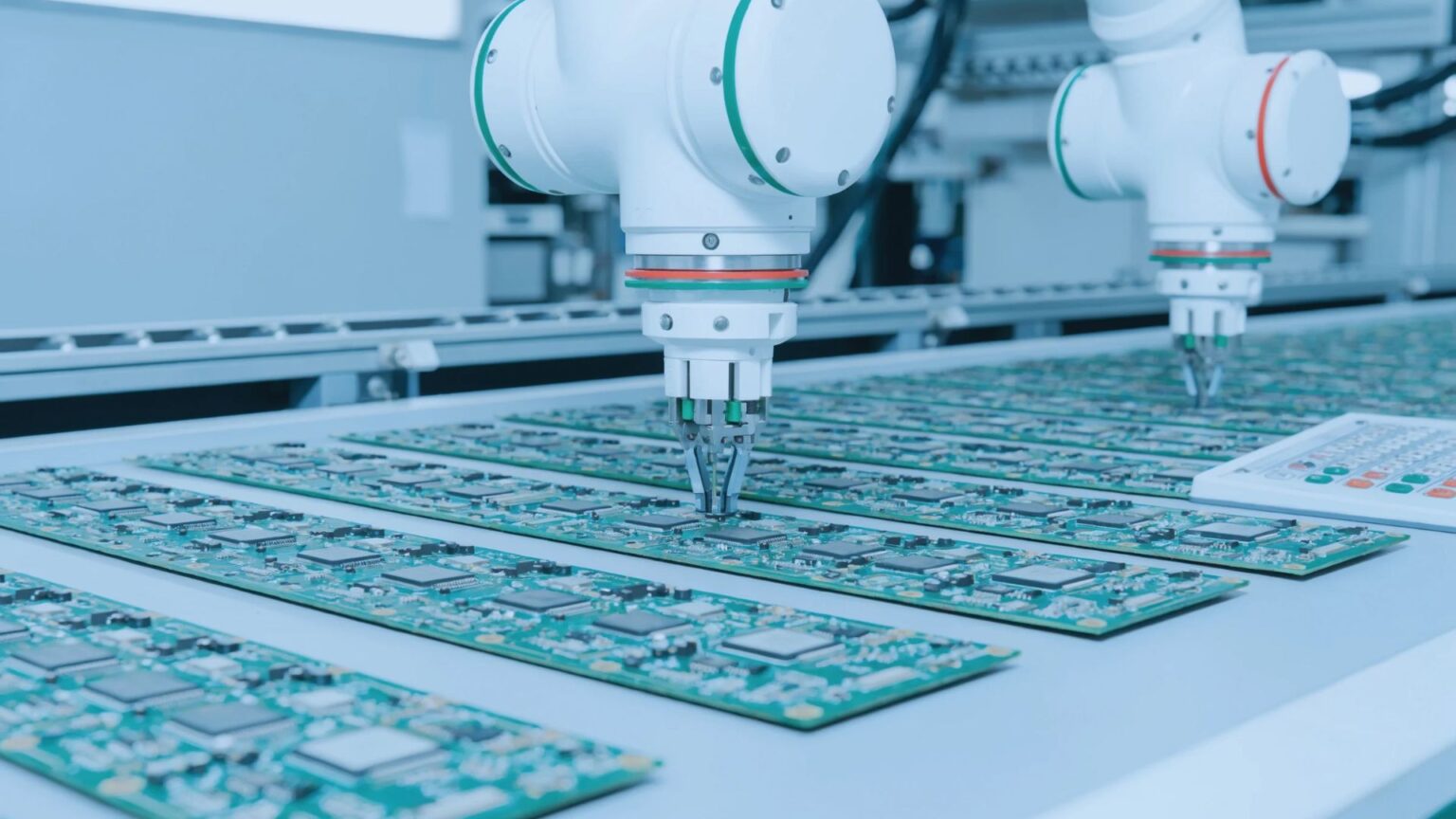
Modern electronics depend on reliable printed circuit boards that connect components, distribute electrical power, and support complex digital functionality. Pcbinsider offers electronics manufacturing services and engineering resources designed to help businesses develop circuit boards, assemble electronic products, and manage production requirements from initial prototypes to larger manufacturing programs.
As electronic devices become smaller and more sophisticated, manufacturers must address increasingly complex challenges involving circuit board design, component availability, signal integrity, thermal management, and quality assurance.
Choosing an appropriate manufacturing partner requires understanding these technical requirements alongside production costs, delivery expectations, and industry standards.
This comprehensive guide explores PCB manufacturing services, assembly technologies, engineering tools, and seventeen practical strategies for improving electronics development and production reliability.
What Is Pcbinsider?
Pcbinsider, officially branded as PCBInsider, is an electronics manufacturing service provider offering printed circuit board fabrication, component procurement, circuit board assembly, testing, and integrated electronics production services.
The company also provides technical articles and online engineering calculators intended to support electronics designers and manufacturing professionals.
Its services address different stages of electronic product development, including prototype preparation, manufacturing assessment, production, and final assembly.
Main Electronics Manufacturing Services
The company’s published service portfolio includes:
- Printed circuit board fabrication
- Surface mount and through hole assembly
- Electronic component sourcing
- PCB prototyping
- Electrical and functional testing
- Cable and wire harness production
- Electromechanical system integration
- Engineering design support
The suitability of these services depends on individual product specifications, manufacturing volumes, and quality requirements.
1. Understand the Difference Between PCB and PCBA
Understanding basic manufacturing terminology helps businesses communicate their requirements more accurately.
Printed Circuit Board
A printed circuit board, commonly called a PCB, provides the physical structure and conductive pathways required to connect electronic components.
It typically contains insulating materials, copper traces, connection pads, and protective surface layers.
An unpopulated PCB does not contain the complete electronic components required to perform its intended circuit functions.
Printed Circuit Board Assembly
Printed circuit board assembly, commonly known as PCBA, involves mounting and electrically connecting components to a fabricated circuit board.
These components may include resistors, capacitors, integrated circuits, connectors, sensors, and power management devices.
The completed assembly can perform specific electronic functions when integrated into an appropriate system.
2. Choose the Appropriate PCB Construction
Different electronic applications require different circuit board structures.
Pcbinsider lists manufacturing capabilities covering several commonly used PCB configurations, from simple boards to advanced multilayer designs.
Single Sided Circuit Boards
Single sided PCBs contain conductive circuitry on one side of the insulating substrate.
They can be suitable for relatively simple electronics, basic control systems, and products with limited routing requirements.
Double Sided Circuit Boards
Double sided circuit boards contain conductive layers on both sides.
Electrical connections between these layers can be established through appropriately designed plated holes.
This construction provides additional routing flexibility compared with single sided alternatives.
Multilayer Circuit Boards
Multilayer PCBs contain several conductive layers separated by insulating materials.
They can accommodate complex electronic circuits, dedicated power distribution planes, and densely arranged components.
Flexible and Rigid Flex Circuit Boards
Flexible PCBs use bendable substrate materials, while rigid flex designs combine rigid and flexible sections.
These technologies can support compact electronic products where conventional rigid boards would introduce space or connection limitations.
3. Prepare an Accurate PCB Design Package
Reliable manufacturing begins with complete and consistent engineering documentation.
Incomplete files can create unnecessary production delays, design questions, and manufacturing errors.
Essential Manufacturing Files
A typical PCB assembly project may require:
- Gerber or other supported fabrication files
- Drill information
- Bill of materials
- Component placement files
- Board fabrication drawings
- Assembly drawings
- Electrical testing requirements
- Special manufacturing instructions
The required files depend on the manufacturing process and selected service arrangement.
Maintain Consistent Design Revisions
Every document should correspond to the same approved product revision.
Using outdated component lists or mismatched placement files can cause incorrect manufacturing results.
Establish a controlled documentation process before releasing production information to a manufacturing partner.
4. Conduct Design for Manufacturability Reviews
Design for manufacturability, commonly known as DFM, involves evaluating whether an electronic design can be manufactured reliably using available production processes.
Pcbinsider advertises engineering review services intended to identify potential manufacturing concerns before production begins.
Identify Fabrication Challenges
A manufacturing review may examine trace spacing, hole dimensions, copper distribution, board thickness, layer construction, and other physical characteristics.
These factors influence manufacturing feasibility and production consistency.
Evaluate Assembly Requirements
Design for assembly focuses on component placement, soldering accessibility, component orientation, and inspection requirements.
Addressing these considerations early can reduce unnecessary redesign work.
Resolve Engineering Questions Before Production
Manufacturing teams should communicate identified design concerns to authorized engineering representatives.
Changes affecting circuit functionality should receive appropriate approval rather than being introduced without documentation.
5. Select Suitable PCB Materials
Circuit board materials influence electrical performance, mechanical durability, temperature resistance, and manufacturing costs.
Selecting an appropriate substrate requires understanding the product’s intended operating environment.
FR4 Circuit Board Materials
FR4 is a widely used category of glass reinforced epoxy laminate materials.
It provides useful electrical insulation and mechanical characteristics for numerous general electronics applications.
However, individual FR4 materials have different thermal and electrical properties.
Metal Core Circuit Boards
Metal core PCBs can help distribute heat away from suitable electronic components.
They are commonly considered for lighting applications and certain power electronics designs.
Their effectiveness depends on the complete thermal structure, dielectric properties, and operating conditions.
High Frequency PCB Materials
Radio frequency and microwave applications may require specialized materials with controlled dielectric characteristics.
Material selection should reflect operating frequencies, signal loss requirements, and manufacturing capabilities.
6. Use Advanced PCB Manufacturing Technologies
Modern electronic products increasingly require dense circuit layouts and sophisticated interconnection structures.
Advanced manufacturing technologies can help engineers accommodate these requirements.
High Density Interconnect Technology
High density interconnect, commonly called HDI, uses advanced routing and interconnection techniques to accommodate compact circuit designs.
These techniques may include microvias, smaller connection pads, and sequential lamination.
HDI technology can be useful for compact electronic devices containing densely arranged components.
Controlled Impedance Manufacturing
Controlled impedance involves designing and manufacturing transmission structures to achieve specified electrical impedance characteristics.
It is particularly important for certain high speed digital interfaces and radio frequency circuits.
Manufacturers and designers should agree on the proposed layer stackup, material characteristics, and acceptable impedance tolerances.
Heavy Copper Circuit Boards
Heavy copper constructions can support applications requiring increased current carrying capacity or improved thermal distribution.
Actual performance depends on trace geometry, cooling arrangements, copper thickness, and other design conditions.
7. Understand Surface Mount Technology Assembly
Surface mount technology, commonly called SMT, allows electronic components to be mounted directly onto circuit board surfaces.
It is widely used in modern electronics manufacturing because it supports compact component arrangements and automated production processes.
Solder Paste Application
Solder paste is deposited onto designated connection pads before components are positioned.
Stencil design and paste application quality influence the consistency of resulting solder connections.
Automated Component Placement
Automated placement equipment positions compatible electronic components according to approved assembly data.
Accurate placement helps maintain consistency across repeated manufacturing operations.
Reflow Soldering
Reflow soldering uses controlled heating to form electrical and mechanical connections between components and circuit board pads.
Temperature profiles should reflect component requirements, solder material characteristics, and assembly construction.
8. Consider Through Hole and Mixed Technology Assembly
Although surface mount technology is widely used, certain electronic components remain suitable for through hole installation.
Through Hole Component Assembly
Through hole components have leads that pass through designated openings in the circuit board.
This approach can be appropriate for selected connectors, power components, transformers, and other devices requiring specific mechanical characteristics.
Mixed Technology Manufacturing
Many electronic products combine surface mount and through hole components on the same circuit board.
Mixed assembly requires coordinated manufacturing procedures to accommodate different component and soldering requirements.
Selective and Wave Soldering
Manufacturers may use selective soldering, wave soldering, or approved manual processes for suitable through hole components.
The appropriate technique depends on assembly layout, component characteristics, and production requirements.
9. Manage Electronic Component Procurement Carefully
Component availability is a major consideration in electronics manufacturing.
Shortages, discontinued products, and inconsistent supplier quality can affect project schedules and overall costs.
Pcbinsider offers component procurement support as part of its manufacturing portfolio.
Prepare a Detailed Bill of Materials
A reliable bill of materials should include manufacturer names, exact part numbers, component quantities, package information, and approved alternatives where applicable.
Clear documentation reduces uncertainty during purchasing and assembly.
Prioritize Trusted Component Suppliers
Electronic components should be sourced through appropriate and traceable supply channels.
Unauthorized or poorly documented suppliers may introduce counterfeit, damaged, or unsuitable parts.
Establish Component Substitution Rules
Alternative components should not be selected solely because their dimensions or basic specifications appear similar.
Engineering teams must evaluate electrical characteristics, environmental ratings, compatibility, and product qualification requirements before approving substitutions.
10. Develop Functional PCB Prototypes
Prototyping allows engineers to investigate design functionality before committing to larger production volumes.
A prototype can reveal electrical problems, mechanical limitations, thermal concerns, and usability issues.
Validate Core Circuit Functionality
Initial testing should confirm that essential circuits perform their intended functions.
Engineers may investigate power supply behaviour, communication interfaces, sensor operation, and other relevant capabilities.
Evaluate Mechanical Integration
Circuit boards must fit correctly within their intended enclosures.
Prototype testing should consider connector accessibility, mounting positions, component heights, cable routing, and maintenance requirements.
Document Prototype Improvements
Record identified problems and approved design changes.
Maintaining revision documentation helps ensure that successful improvements are incorporated into future manufacturing releases.
11. Implement Automated Optical Inspection
Automated optical inspection, commonly known as AOI, uses imaging systems to evaluate visible characteristics of electronic assemblies.
It can help identify component placement problems and selected soldering defects.
Common Defects Identified by AOI
Depending on equipment and inspection programming, AOI may identify missing components, incorrect orientation, placement discrepancies, and visible solder defects.
Inspection effectiveness depends on suitable equipment configuration and appropriate acceptance criteria.
Understand Inspection Limitations
Optical inspection cannot reliably evaluate every concealed connection or internal electronic fault.
Additional testing methods may be required for complex components and assemblies.
AOI should form part of a broader quality assurance strategy rather than operate as the only verification method.
12. Use X Ray Inspection for Concealed Connections
Advanced electronic components may contain solder connections that are not directly visible after assembly.
Ball grid array components are a common example.
How X Ray Inspection Supports Quality Control
Industrial X ray inspection can provide information about concealed solder connections and internal assembly characteristics.
Technicians may use these images to investigate selected soldering defects, connection irregularities, and void formation.
Combine Inspection With Other Tests
X ray inspection does not independently establish that an electronic assembly performs every intended function.
Manufacturers should combine appropriate inspection techniques with electrical and functional verification.
Inspection requirements should reflect product complexity and the consequences of potential failures.
13. Establish Comprehensive Electrical and Functional Testing
Testing helps determine whether manufactured circuit boards satisfy specified electrical and operational requirements.
Pcbinsider lists several testing services within its published assembly capabilities.
In Circuit Testing
In circuit testing evaluates selected electrical characteristics of assembled boards using compatible testing equipment and accessible circuit connections.
Dedicated fixtures may support repeatable testing during larger production programs.
Flying Probe Testing
Flying probe systems use movable test probes to examine accessible points on a circuit board.
They can be useful for prototypes and lower volume projects where dedicated fixture development may be less practical.
Functional Testing
Functional testing evaluates whether an assembly operates according to predefined requirements.
Testing may involve firmware operation, communication interfaces, input and output behaviour, and other product specific capabilities.
Define Test Acceptance Criteria
Engineering teams should establish measurable acceptance requirements before manufacturing begins.
Without clearly defined criteria, a completed test may provide insufficient evidence of product suitability.
14. Improve Electronic Product Durability
Electronic assemblies may encounter moisture, dust, vibration, temperature changes, and other environmental conditions.
Additional protective measures can help address particular operating requirements.
Conformal Coating
Conformal coating applies a protective layer to selected circuit board surfaces.
It can help reduce exposure to moisture and environmental contamination when appropriately selected and applied.
Coating materials and coverage requirements should reflect the product’s intended operating conditions.
Electronic Potting
Potting involves encapsulating electronic components or assemblies within suitable protective materials.
This technique can provide additional environmental or mechanical protection in certain applications.
However, material selection must account for thermal performance, maintenance requirements, and component compatibility.
Thermal Management
Reliable electronics require appropriate management of generated heat.
Design considerations may include copper distribution, thermal vias, heatsinks, airflow, and suitable enclosure construction.
Thermal testing helps validate performance under realistic operating conditions.
15. Explore Turnkey Electronics Manufacturing Services
Turnkey manufacturing provides a coordinated approach to multiple production responsibilities.
Instead of arranging every manufacturing activity independently, businesses can work with a provider that manages an agreed combination of services.
Component Sourcing and Board Fabrication
A turnkey project may combine bare board manufacturing with electronic component procurement and assembly.
This arrangement can simplify coordination between separate suppliers.
Cable and Wire Harness Manufacturing
Many electronic products require cables and wiring assemblies to connect circuit boards with power sources, sensors, displays, and external interfaces.
Suitable harness manufacturing requires accurate connector specifications, wiring documentation, and appropriate testing.
Box Build Assembly
Box build services integrate circuit boards, wiring, enclosures, mechanical components, and other product elements into a more complete system.
Organizations should establish clear acceptance requirements for both individual assemblies and the finished product.
16. Use Online PCB Engineering Calculators
Pcbinsider provides online engineering calculators that can assist designers with preliminary technical evaluations.
These resources can help investigate circuit design relationships before detailed engineering validation.
PCB Trace Width Calculator
A trace width calculator helps estimate conductor dimensions according to specified electrical and thermal assumptions.
Actual current carrying performance depends on factors such as copper thickness, board construction, surrounding temperatures, and cooling conditions.
PCB Impedance Calculator
Impedance calculators help estimate transmission line characteristics using information about trace geometry and insulating materials.
These calculations can support initial design decisions.
Final controlled impedance requirements should be verified with the selected manufacturer.
Additional Engineering Calculators
The platform also provides tools addressing current density, insertion loss, crosstalk, and power distribution characteristics.
Recognize Calculation Limitations
Online calculators are valuable engineering aids, but their results depend on mathematical models and input accuracy.
They should not replace detailed engineering analysis, physical testing, or required product qualification procedures.
17. Evaluate Manufacturing Quality and Industry Standards
Choosing a dependable electronics manufacturing partner requires examining quality management practices and production capabilities.
Marketing descriptions alone do not establish manufacturing consistency.
Understand Relevant IPC Standards
IPC standards provide recognized technical requirements and acceptance criteria for electronics manufacturing.
IPC-A-610 addresses the acceptability of electronic assemblies, while J-STD-001 establishes requirements for soldered electrical and electronic assemblies.
The applicable standard revision and product classification should be agreed upon before production.
Review Manufacturing Traceability
Traceability helps organizations associate manufactured products with relevant materials, components, production records, and quality results.
The appropriate level of traceability depends on product requirements and associated risks.
Verify Supplier Qualifications
Request relevant quality documentation, manufacturing capability records, and applicable certification information.
For regulated or safety critical applications, businesses may require additional supplier assessments and product qualification procedures.
Industries That Benefit From PCB Manufacturing Services
Printed circuit board manufacturing supports numerous commercial and industrial sectors.
Pcbinsider identifies several industry specific applications within its service portfolio.
Consumer Electronics
Consumer devices require circuit boards supporting communication, processing, sensing, power management, and multimedia functionality.
Compact construction and cost effective production are often important considerations.
Industrial Automation
Industrial control systems use electronic assemblies for machinery monitoring, process control, sensor communication, and equipment management.
These products may require enhanced environmental durability and long operating life.
Medical Electronics
Medical devices can require specialized circuit boards for monitoring, diagnostic equipment, laboratory instruments, and related applications.
Manufacturing requirements must reflect applicable medical device regulations and product quality controls.
Telecommunications and IoT
Communication systems and connected devices require reliable circuit designs that support wireless connectivity, data processing, and energy management.
Appropriate material selection and signal integrity evaluation are particularly important for certain applications.
How Much Do PCB Manufacturing and Assembly Services Cost?
Manufacturing expenses depend on circuit board complexity, material selection, component availability, production quantity, assembly requirements, and testing procedures.
Simple prototypes generally require different resources from complex multilayer electronic assemblies.
Businesses should request detailed quotations based on approved manufacturing information.
Compare complete project costs, including tooling, engineering support, component procurement, inspection, testing, and delivery.
The lowest initial quotation does not necessarily provide the best long term manufacturing value.
Frequently Asked Questions
What is Pcbinsider?
It is an electronics manufacturing service provider offering PCB fabrication, assembly, component sourcing, testing, engineering resources, and integrated product manufacturing services.
Does Pcbinsider manufacture multilayer PCBs?
Yes. Its published manufacturing capabilities include multilayer, HDI, flexible, rigid flex, and other specialized circuit board constructions.
What is the difference between PCB fabrication and assembly?
PCB fabrication creates the bare circuit board, while assembly involves installing and connecting electronic components to produce a functional circuit assembly.
Does Pcbinsider offer free PCB calculators?
Yes. Its website provides engineering calculators covering trace width, impedance, current density, and other electronic design considerations.
Can PCB manufacturing services support prototypes and mass production?
Yes. Suitable manufacturing providers can support both prototype development and volume production, subject to technical requirements and available capacity.
How do I choose a reliable PCB manufacturing company?
Evaluate technical capabilities, component sourcing practices, quality documentation, testing procedures, communication, pricing, and relevant industry qualifications.
Conclusion
Pcbinsider provides electronics manufacturing services and engineering resources that can support circuit board development, assembly, testing, and integrated product production. Successful electronics manufacturing requires accurate design documentation, suitable materials, responsible component sourcing, and comprehensive quality assurance. By combining careful engineering decisions with qualified manufacturing support, businesses can develop more reliable and maintainable electronic products.
