
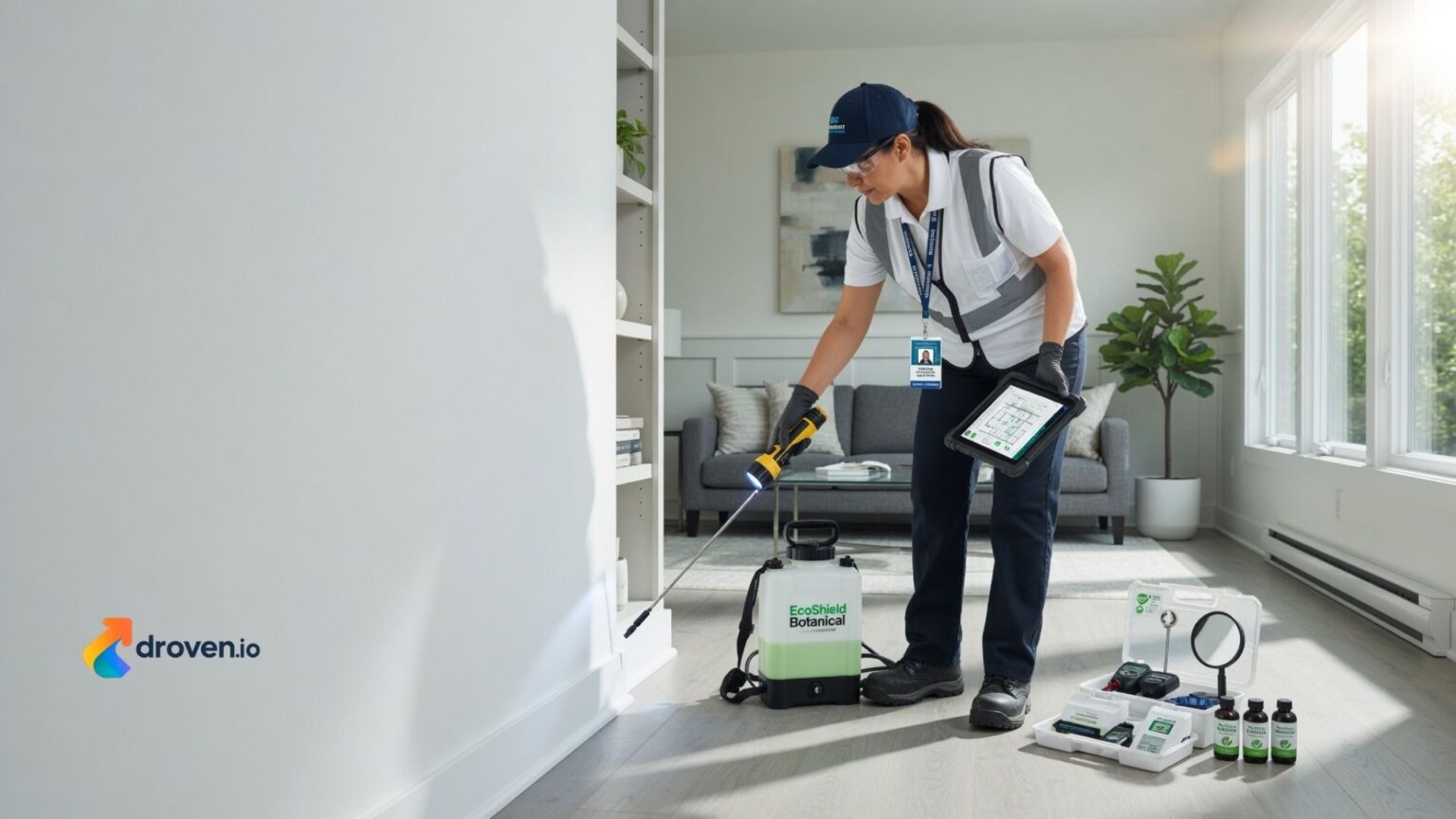
Keeping your home or business free from unwanted pests is an important part of maintaining a safe and comfortable environment. Insects, rodents, and other pests can damage property, contaminate food, and create health concerns if left untreated. That is why many homeowners and businesses invest in professional pest control services to prevent infestations and protect their properties.
Effective pest control involves much more than eliminating visible pests. It includes inspections, prevention, monitoring, and long-term management strategies designed to reduce the risk of future problems. Whether you’re dealing with ants, termites, rodents, cockroaches, or seasonal pests, early action often leads to better results.
This guide explains how pest control works, common household pests, treatment methods, and practical tips for preventing infestations.
What Is Pest Control?
Pest control is the process of managing or eliminating unwanted insects, rodents, and other pests that can affect homes, businesses, or public spaces. Professional pest control services use a combination of inspection, identification, treatment, and prevention methods to address pest activity safely and effectively.
Depending on the situation, treatment plans may include:
- Property inspections
- Pest identification
- Targeted treatments
- Monitoring programs
- Preventive recommendations
- Ongoing maintenance services
The approach depends on the type of pest, the severity of the infestation, and the property’s specific needs.
Why Pest Control Is Important
Pests can create more than just an inconvenience. Some species can damage structures, contaminate food, or contribute to health concerns.
Professional pest control helps:
- Protect homes and buildings
- Reduce the risk of property damage
- Improve hygiene
- Prevent food contamination
- Support a healthier indoor environment
- Reduce recurring infestations
Regular inspections also help detect problems before they become more difficult to manage.
Common Household Pests
Different pests require different treatment strategies. Identifying the problem correctly is the first step toward effective control.
Ants
Ants often enter homes in search of food and water. While many species are mainly a nuisance, some can establish large colonies that become difficult to manage without professional assistance.
Common signs include:
- Visible ant trails
- Small piles of soil near foundations
- Ant activity around kitchens or pantries
Cockroaches
Cockroaches prefer warm, humid environments and may hide behind appliances, inside cabinets, or near plumbing.
Signs of activity include:
- Droppings
- Musty odors
- Egg cases
- Live insects, especially at night
Good sanitation and prompt treatment are important for controlling cockroach populations.
Rodents
Mice and rats can damage insulation, wiring, furniture, and stored food.
Watch for:
- Droppings
- Gnaw marks
- Scratching sounds in walls
- Nesting materials
Because rodents reproduce quickly, early intervention is recommended.
Termites
Termites feed on wood and other cellulose-based materials. They often remain hidden until significant damage has occurred.
Possible warning signs include:
- Hollow-sounding wood
- Mud tubes
- Discarded wings
- Damaged wooden structures
Professional inspections are often necessary because termite activity may not be visible.
Spiders
Most household spiders are harmless and help control other insects. However, large numbers of spiders or potentially harmful species may require professional evaluation.
Reducing insect populations can also help reduce spider activity.
Wasps and Bees
Wasps may build nests around roofs, decks, garages, and outdoor structures.
If a nest poses a safety risk, it is generally safer to contact a qualified pest control professional rather than attempting removal yourself.
How Professional Pest Control Works
Professional pest control follows a systematic approach that focuses on both treatment and prevention.
Property Inspection
The first step is identifying the type of pest, locating entry points, and assessing the extent of the problem.
Inspectors may examine:
- Foundations
- Rooflines
- Kitchens
- Bathrooms
- Basements
- Crawl spaces
- Outdoor areas
A thorough inspection helps create an effective treatment plan.
Pest Identification
Different pests require different control methods. Accurate identification ensures that the chosen treatment targets the correct species.
Treatment Plan
Based on the inspection, the pest control provider develops a treatment strategy.
This may include:
- Targeted applications
- Traps
- Baits
- Exclusion methods
- Habitat modification
Treatment methods vary depending on the pest and local regulations.
Follow-Up Monitoring
Some infestations require multiple visits or ongoing monitoring to confirm that pest activity has been successfully reduced.
Regular follow-up also helps prevent future infestations.
Preventing Pest Problems
Prevention is one of the most effective ways to reduce pest activity.
Consider these practical tips:
- Store food in sealed containers.
- Clean kitchen surfaces regularly.
- Remove standing water.
- Seal cracks and gaps around doors and windows.
- Keep garbage containers tightly closed.
- Trim vegetation away from buildings.
- Repair leaking pipes promptly.
- Reduce clutter in storage areas.
These simple habits make your property less attractive to pests.
Choosing a Pest Control Company
Selecting the right provider is important for safe and effective service.
Look for companies that offer:
Licensed Professionals
Verify that technicians meet local licensing or certification requirements where applicable.
Experience
Choose a company with experience treating the specific pest affecting your property.
Clear Communication
A reliable provider should explain the inspection findings, treatment options, and recommended prevention measures.
Transparent Pricing
Request a written estimate outlining the scope of work and any follow-up services.
Preventive Services
Some companies offer routine inspections and maintenance plans to help reduce future pest activity.
Environmentally Responsible Pest Management
Many pest control providers now use integrated pest management (IPM) strategies that focus on long-term prevention.
IPM may include:
- Regular inspections
- Habitat modification
- Physical barriers
- Targeted treatments
- Ongoing monitoring
This approach aims to manage pests while minimizing unnecessary pesticide use where appropriate.
Frequently Asked Questions
What is pest control?
Pest control involves inspecting, managing, and preventing unwanted insects, rodents, and other pests that can affect homes, businesses, and other properties.
How often should I schedule pest control?
The ideal schedule depends on your location, property type, and pest activity. Some homes benefit from annual inspections, while others may require more frequent service.
Are professional pest control treatments safe?
Licensed professionals are trained to follow product labels and applicable regulations. Always follow any safety instructions provided after treatment.
Can I prevent pests without professional treatment?
Good sanitation, sealing entry points, reducing moisture, and regular property maintenance can help lower the risk of infestations. However, established infestations may require professional assistance.
What pests cause the most property damage?
Termites and rodents are among the pests most commonly associated with structural or property damage, although the impact varies depending on the infestation.
How do I choose the right pest control company?
Look for licensed technicians, industry experience, transparent pricing, positive customer reviews, and treatment plans tailored to your property’s needs.
Conclusion
Pest control is an essential part of protecting your home, business, and overall well-being. By identifying pest problems early, following preventive maintenance practices, and working with qualified professionals when needed, you can reduce the risk of infestations and protect your property from unnecessary damage. Whether you’re dealing with seasonal insects, rodents, or more serious structural pests, a proactive pest control strategy supports a cleaner, healthier, and more comfortable living environment.
