
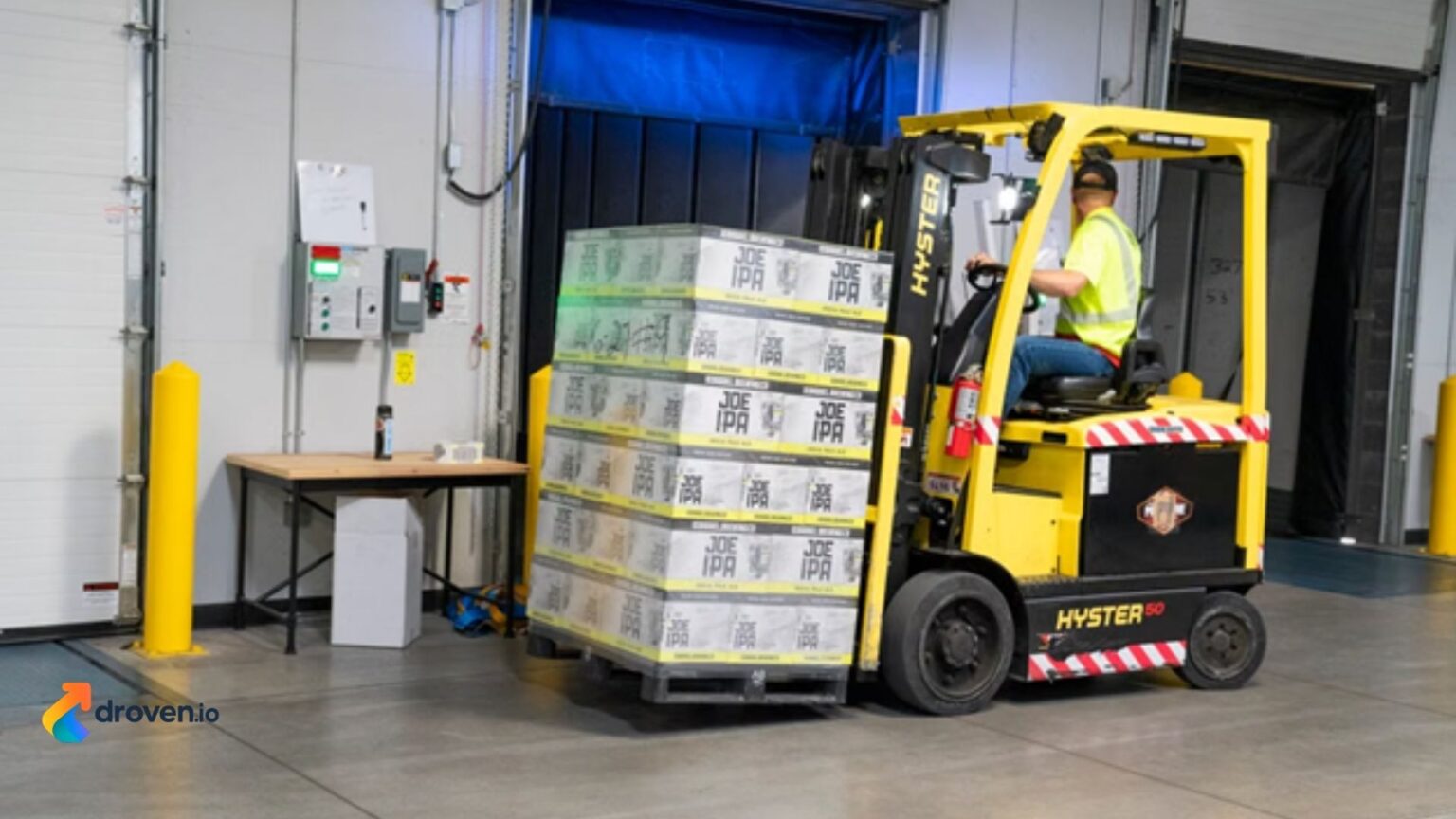
Warehouse downtime has a sneaky way of draining money without making a lot of noise at first. One delayed lift here, one stalled truck there, and suddenly your whole day starts wobbling like a pallet with one bad wheel. If you want smoother operations, you don’t always need giant changes. Small, smart habits can make a big difference. When you catch problems early, stay organized, and help your team work better, you can cut delays fast and keep your warehouse moving without all the drama.
Downtime costs add up
Equipment downtime doesn’t just pause one machine. It can throw off picking, packing, shipping, and staffing all at once. When a forklift goes down, workers may stand around waiting, orders can miss deadlines, and supervisors end up playing a stressful game of catch-up.
The tricky part is how quiet the damage can be at first. A short delay today might not seem serious, but repeated interruptions often lead to overtime costs, rushed jobs, and frustrated customers. Trust is hard to build and weirdly easy to squish.
One practical way to reduce that risk is to source replacement components before minor wear becomes a full shutdown. If your fleet includes Yale models, having a reliable source of Yale forklift parts can help you fix issues faster instead of losing hours while everyone waits on a preventable repair.
Spot early warning signs
Forklifts usually give you clues before they quit completely. The problem is that busy teams often ignore those clues because the truck still kind of works. That “kind of” is where downtime loves to hide.
Watch for strange noises like grinding, squealing, or clunking. Pay attention if lifting feels slow or uneven. Hydraulic leaks, dashboard warning lights, stiff steering, and weak battery performance also matter. None of those signs are just the forklift being moody.
Catching these issues early gives you options. You may be able to schedule service during a slower shift instead of dealing with a breakdown in the middle of peak activity. It also helps protect nearby parts from extra damage. A small fix today can stop a much uglier repair bill tomorrow.
Build a simple routine
You don’t need a super technical maintenance program to make real progress. What you need is a routine your team will actually follow, even on busy days when everything feels a little bananas.
Start with daily pre-shift checks. Operators can look at tires, forks, fluid levels, warning lights, and battery charge. These quick checks take only a few minutes and often catch obvious trouble before the first load is moved.
Then add a weekly walkaround for managers or lead operators. That’s a good time to look for wear patterns, loose parts, leaks, and recurring problems. Keep basic service notes too. If the same forklift keeps acting up, the notes can reveal patterns that people forget once the shift gets hectic.
Keep key parts ready
When a machine goes down, the worst time to start hunting for parts is right then. That’s when pressure spikes, phones start ringing, and everyone suddenly becomes an expert in panic.
A smarter move is to stock a few commonly needed items based on your equipment mix and repair history. Things like filters, belts, seals, lights, and contactors may not seem exciting, but they can save hours or even days. Boring parts often do heroic work.
Be careful about compatibility. Ordering the wrong part creates a second delay, which is extra painful when the machine is needed right away. Keep model numbers, serial numbers, and service manuals easy to access. If you know which forklifts tend to need certain components, you can build a small parts plan that supports uptime without turning your storeroom into a metal jungle.
Train operators better
Operator habits have a huge impact on downtime. Even a strong forklift will wear out faster if it’s driven roughly, overloaded, or ignored when it starts acting strange. Good training is not just about safety. It’s also about protecting your equipment budget.
Show operators how smooth acceleration, careful braking, and proper turning reduce strain on tires, brakes, and steering systems. Teach them to handle loads evenly and stay within the truck’s rated capacity. A forklift is tough, but it’s not a superhero in a cape.
Reporting problems quickly matters just as much. If someone notices a leak or hears an odd sound, they should say something right away instead of hoping it magically disappears. Fast reporting helps maintenance teams respond before a minor issue becomes a full shutdown. That kind of accountability makes the whole operation stronger.
Work smarter with vendors
Reliable vendors can make a big difference when downtime hits. If your supplier takes forever to answer, gives vague inventory updates, or sends the wrong part too often, your warehouse pays the price.
Look for suppliers and repair partners who communicate clearly and know your equipment. Good vendors can confirm availability quickly, help verify model compatibility, and give realistic delivery timelines. That saves your team from guesswork and last-minute scrambling.
It also helps to build the relationship before an emergency. Share your fleet details, common part needs, and service expectations ahead of time. When vendors understand your operation, they can often respond faster and more accurately. The goal isn’t just buying parts. It’s creating support that helps your warehouse keep rolling when things get bumpy.
Create a downtime plan
Even with great habits, breakdowns will still happen sometimes. The difference between a short disruption and a full-day mess often comes down to having a plan.
Assign clear roles in advance. Decide who reports the issue, who contacts service, who updates the schedule, and who shifts labor if needed. Keep contact lists current so no one is digging through old emails while a truck sits dead on the floor.
It’s also smart to review past downtime events. Look at what failed, how long repairs took, and what slowed the response. Maybe a part wasn’t stocked. Maybe the problem was reported too late. Maybe no one knew who owned the next step.
If you keep learning from those moments, your operation gets stronger over time. The best downtime plan isn’t fancy. It’s simple, clear, and ready before the next surprise tries to crash the party.
