
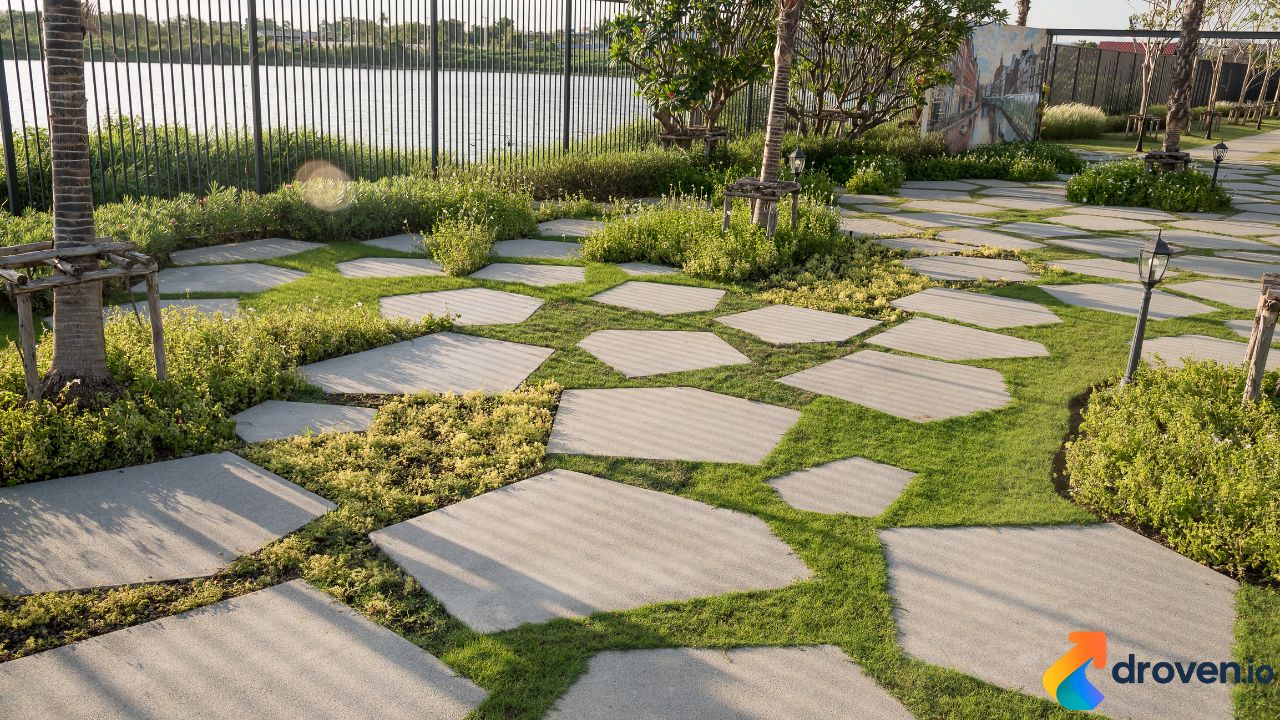
Decorative concrete has become one of the most popular options for outdoor surfaces in residential and commercial properties. Homeowners and property developers increasingly prefer decorative finishes that combine durability with visual appeal. One of the most widely used decorative concrete solutions today is professional stamped concrete installation.
Stamped concrete allows contractors to transform plain concrete into surfaces that resemble stone, brick, tile, or wood while maintaining the strength and durability of traditional concrete. This technique provides an attractive and cost-effective alternative to natural materials.
What Is Stamped Concrete?
Stamped concrete is a decorative concrete technique where patterns and textures are pressed into freshly poured concrete before it fully hardens. Special stamping tools create designs that mimic materials such as natural stone, slate, brick, cobblestone, or wood.
After the stamping process, coloring agents and sealants are applied to enhance the appearance and protect the surface.
Because of its versatility and durability, stamped concrete is commonly used in outdoor spaces.
Benefits of Professional Stamped Concrete Installation
Choosing professional installation ensures that the stamped concrete surface looks attractive and lasts for many years.
Attractive Decorative Appearance
Stamped concrete offers a wide variety of design options that can replicate the look of expensive materials.
Common patterns include:
- natural stone
- brick patterns
- slate textures
- wood plank designs
These decorative finishes allow property owners to customize outdoor spaces according to their design preferences.
Durability and Strength
Concrete is naturally strong and long-lasting. When installed properly, stamped concrete surfaces can withstand heavy traffic, weather conditions, and long-term use.
This makes stamped concrete ideal for driveways, patios, and walkways.
Cost-Effective Alternative to Natural Materials
Natural stone and brick installations often require significant labor and material costs. Stamped concrete provides a similar appearance at a lower overall cost.
The installation process is faster and requires fewer materials compared to individual stone or brick placement.
Low Maintenance Requirements
Stamped concrete surfaces require minimal maintenance compared to other decorative materials. Occasional cleaning and resealing help maintain their appearance and durability.
Common Applications of Stamped Concrete
Stamped concrete can be used in many different areas of residential and commercial properties.
Patios
Stamped concrete patios create elegant outdoor living spaces where homeowners can entertain guests or relax.
Decorative textures and color options allow patios to blend seamlessly with landscaping and home architecture.
Driveways
Stamped concrete driveways provide a durable and visually appealing alternative to plain concrete or asphalt.
Patterns that resemble cobblestone or brick can enhance curb appeal and increase property value.
Walkways and Pathways
Decorative concrete pathways guide visitors through gardens, yards, or property entrances while adding aesthetic charm.
Pool Decks
Stamped concrete is often used around swimming pools because it can be designed with slip-resistant textures.
These surfaces also remain cooler underfoot compared to some other materials.
Commercial Spaces
Businesses often use stamped concrete for outdoor seating areas, entryways, and courtyards.
Decorative surfaces create a professional appearance while maintaining durability.
The Stamped Concrete Installation Process
Professional contractors follow several steps to ensure high-quality results.
Site Preparation
The installation area must be cleared and leveled. A stable base is prepared to support the concrete slab.
Concrete Pouring
Fresh concrete is poured into the prepared area and evenly spread. The surface is then smoothed to prepare for stamping.
Applying Color
Coloring agents or integral pigments are added to give the concrete its decorative appearance.
Stamping the Pattern
Specialized stamping mats are pressed into the concrete to create the desired texture or pattern.
Timing is critical during this step to ensure the pattern is clearly defined.
Curing and Sealing
After the concrete hardens, contractors apply a protective sealant that enhances color and protects the surface from moisture and stains.
Design Options for Stamped Concrete
Stamped concrete offers many customization possibilities that allow property owners to create unique outdoor designs.
Pattern Choices
Popular patterns include:
- ashlar slate
- cobblestone
- brick
- flagstone
- wood plank
Each pattern creates a different visual style depending on the property design.
Color Options
Contractors can apply a wide range of colors using stains or pigments. Colors may mimic natural materials such as sandstone, limestone, or granite.
Borders and Accents
Decorative borders or accent designs can be added to enhance the overall appearance of stamped concrete installations.
Maintenance Tips for Stamped Concrete Surfaces
Although stamped concrete requires minimal maintenance, proper care helps maintain its appearance.
Recommended maintenance steps include:
- cleaning the surface regularly
- resealing every few years
- avoiding harsh chemicals
- repairing cracks promptly
These practices help protect the surface from weather damage and wear.
Why Hiring Professionals Matters
Stamped concrete installation requires experience and precision. The timing of each step, especially stamping and coloring, is critical for achieving high-quality results.
Professional contractors provide:
- proper site preparation
- expert pattern stamping
- durable finishing techniques
- long-lasting sealant protection
Attempting stamped concrete installation without proper expertise may lead to uneven textures or poor durability.
Factors That Affect Stamped Concrete Costs
The cost of professionally stamped concrete installation depends on several factors.
These may include:
- project size
- design complexity
- color and pattern choices
- site preparation requirements
- labor and materials
Although costs vary, stamped concrete generally remains more affordable than installing natural stone or brick surfaces.
The Growing Popularity of Decorative Concrete
Decorative concrete has gained popularity in modern construction and landscaping projects. Homeowners and commercial property owners increasingly prefer materials that combine durability with visual appeal.
Stamped concrete continues to grow in demand because it provides customizable designs, strong performance, and long-term value.
Conclusion
Professional stamped concrete installation offers a practical and attractive solution for patios, driveways, walkways, and other outdoor spaces. By combining the strength of concrete with decorative patterns and colors, stamped concrete creates visually appealing surfaces that can enhance any property.
When installed by experienced professionals, stamped concrete delivers long-lasting performance, minimal maintenance requirements, and impressive design flexibility.
FAQs
What is stamped concrete used for?
Stamped concrete is commonly used for patios, driveways, walkways, pool decks, and decorative outdoor surfaces.
How long does stamped concrete last?
With proper installation and maintenance, stamped concrete can last 25 years or more.
Is stamped concrete slippery?
It can be slippery when wet, but contractors can apply textured finishes or anti-slip additives to improve traction.
How often should stamped concrete be sealed?
Most stamped concrete surfaces should be resealed every two to three years.
Is stamped concrete cheaper than natural stone?
Yes, stamped concrete usually costs less than natural stone or brick while offering a similar decorative appearance.
