
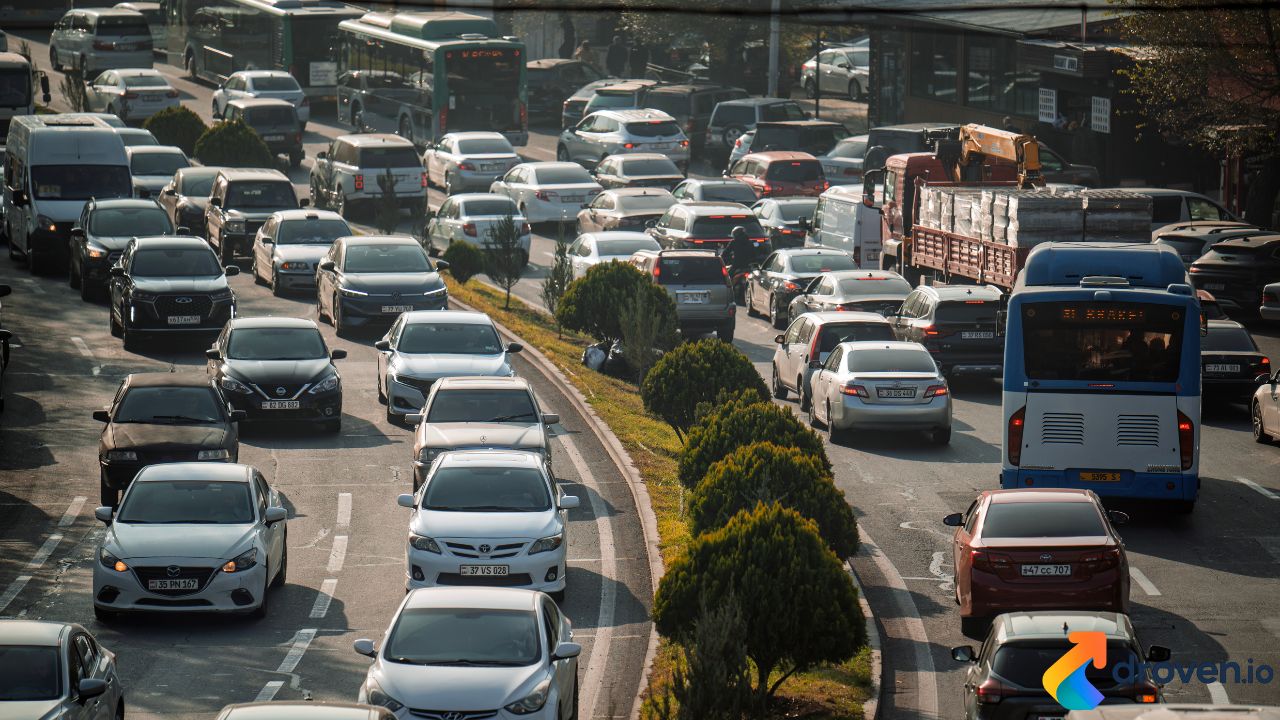
Reckless driving is considered a serious traffic offense under New Jersey law. A driver commits reckless driving in New Jersey when they operate a vehicle in a way that shows “willful or wanton disregard” for the safety of others or property. This includes driving in a manner that endangers people, vehicles, or property on the road.
Because reckless driving creates a high risk of accidents and injuries, the state imposes significant penalties, including fines, license points, and possible jail time.
Legal Definition of Reckless Driving in New Jersey
New Jersey law (N.J.S.A. 39:4-96) defines reckless driving as driving “heedlessly, in willful or wanton disregard of the rights or safety of others.”
This definition means a driver intentionally or dangerously ignores safety rules and creates a risk to others. The law is broad and can apply to many types of dangerous driving behaviors.
Examples of Reckless Driving
Several driving actions may result in a reckless driving charge, including:
- Excessive speeding
- Racing on public roads
- Swerving or weaving through traffic
- Driving aggressively or tailgating
- Driving the wrong way on a roadway
- Ignoring traffic signals or stop signs
- Nearly hitting pedestrians or other vehicles
Police officers typically determine whether a driver’s behavior shows disregard for safety.
Penalties for Reckless Driving in New Jersey
Penalties depend on whether the offense is a first or repeat violation.
First Offense
A driver convicted of reckless driving may face:
- A fine between $50 and $200
- Up to 60 days in jail
- 5 points added to their driver’s license
- Court costs and additional fees
Second or Subsequent Offense
Repeat offenders may face harsher consequences:
- A fine between $100 and $500
- Up to 3 months in jail
- Additional court costs and penalties
Accumulating points can also lead to higher insurance rates and additional surcharges.
License Points and Driving Record
In New Jersey, reckless driving results in 5 points on a driver’s record.
The state uses a point system for traffic violations. If a driver accumulates too many points, they may face additional fees or even license suspension.
Points typically remain on the driving record for several years unless removed through safe driving or approved defensive driving programs.
Reckless Driving vs. Careless Driving
Reckless driving is more serious than careless driving.
- Reckless driving: involves deliberate disregard for safety.
- Careless driving: occurs when a driver operates a vehicle without due caution but without intentional disregard.
Because reckless driving involves a higher level of risk and intent, penalties are generally more severe.
Impact on Insurance
A reckless driving conviction can significantly increase auto insurance premiums. Insurance companies view reckless driving as a high-risk behavior, which may lead to higher rates or policy changes.
For some drivers, insurance costs may remain elevated for several years after the conviction.
How Drivers Can Reduce Points
Drivers in New Jersey may reduce points on their license by:
- Completing an approved defensive driving course
- Maintaining a clean driving record for a period of time
These options may help lower insurance costs and prevent license suspension.
Preventing Reckless Driving
Drivers can reduce the risk of reckless driving charges by following safe driving practices:
- Obey speed limits
- Avoid aggressive driving
- Maintain safe following distances
- Follow traffic signals and road signs
- Stay focused and avoid distractions
Responsible driving protects both the driver and other road users.
FAQs
What qualifies as reckless driving in New Jersey?
Reckless driving occurs when a person drives with willful disregard for the safety of others or property.
How many points is reckless driving in New Jersey?
Reckless driving results in 5 points added to a driver’s license.
Can reckless driving lead to jail time?
Yes. A first offense may carry up to 60 days in jail, and repeat offenses can lead to up to 3 months in jail.
What is the fine for reckless driving in New Jersey?
Fines range from $50–$200 for a first offense and $100–$500 for subsequent offenses.
Does reckless driving affect insurance?
Yes. A reckless driving conviction can significantly increase car insurance premiums because it signals high-risk driving behavior.
