
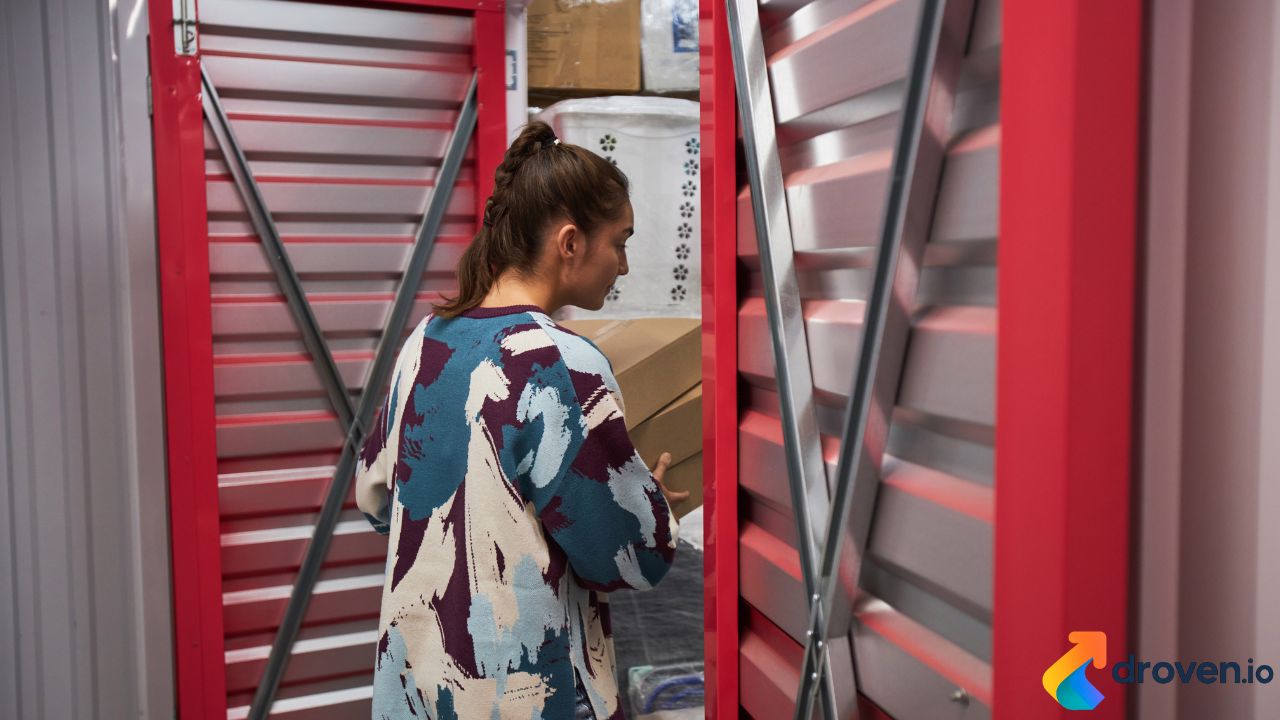
For individuals and businesses that need extra space, renting a storage unit is a practical and flexible solution. Storage units allow people to safely store personal belongings, furniture, seasonal items, business inventory, and other valuables outside their homes or offices. With the growing demand for space-saving solutions, self-storage facilities have become widely available in cities and suburbs.
Whether you are moving, downsizing, renovating, or simply organizing your home, renting a storage unit can provide a convenient place to keep items secure while freeing up space in your living area.
What Is a Storage Unit?
A storage unit is a secure space located within a self-storage facility that individuals or businesses can rent to store their belongings. These units come in various sizes and are typically rented on a monthly basis.
Storage units are commonly used for:
- Household furniture and belongings
- Business inventory and supplies
- Seasonal decorations
- Vehicles and equipment
- Moving and relocation storage
Self-storage facilities usually provide easy access, security systems, and different unit sizes to meet varying storage needs.
Reasons People Rent Storage Units
There are many situations where renting a storage unit can be helpful.
Moving to a New Home
During a move, storage units provide temporary space to store furniture and boxes until the new home is ready.
Decluttering Living Spaces
People often rent storage units to store items they do not use frequently but still want to keep.
Home Renovations
Furniture and belongings can be stored safely during remodeling or construction projects.
Business Storage
Businesses use storage units to store inventory, documents, and equipment.
Seasonal Storage
Items such as holiday decorations, winter clothing, or sports equipment can be stored when not in use.
Types of Storage Units
Self-storage facilities offer several types of units designed for different storage needs.
Standard Indoor Units
These units are located inside buildings and provide protection from weather conditions.
Drive-Up Storage Units
Drive-up units allow renters to park directly in front of the unit, making loading and unloading easier.
Climate-Controlled Units
Climate-controlled units regulate temperature and humidity, protecting sensitive items such as electronics, documents, and antiques.
Vehicle Storage
Some facilities offer spaces specifically designed for cars, boats, or recreational vehicles.
Choosing the Right Storage Unit Size
Selecting the correct unit size is important to avoid paying for unnecessary space.
Common storage unit sizes include:
5×5 unit – Suitable for boxes, small furniture, and personal items.
5×10 unit – Ideal for small apartment items or several boxes.
10×10 unit – Fits contents of a one-bedroom apartment.
10×20 unit – Suitable for larger homes or business inventory.
Estimating the volume of items before renting helps ensure the chosen unit meets storage needs.
Cost of Renting a Storage Unit
Storage unit costs vary depending on several factors.
Typical factors affecting price include:
- Unit size
- Facility location
- Climate control features
- Security and accessibility
- Demand in the local market
Monthly rental prices may range from $50 to $300 or more, depending on the unit type and location.
Security Features in Storage Facilities
Modern storage facilities prioritize safety and protection for stored items.
Common security features include:
- Surveillance cameras
- Electronic gate access
- Individual unit locks
- On-site staff
- Alarm systems
These features help ensure that belongings remain secure.
Tips for Packing a Storage Unit
Proper organization makes storage units more efficient and protects items from damage.
Helpful tips include:
- Use sturdy boxes and labeling
- Place heavier items at the bottom
- Leave small aisles for easy access
- Cover furniture with protective sheets
- Avoid storing perishable or hazardous materials
These steps help maximize space and maintain item condition.
Advantages of Self-Storage
Renting a storage unit provides several benefits.
Extra Space
Storage units allow people to free up space at home or in offices.
Flexible Rental Terms
Most facilities offer month-to-month rentals without long-term commitments.
Secure Storage
Modern facilities provide strong security and controlled access.
Convenient Access
Many storage locations allow renters to access their units daily.
Things to Check Before Renting
Before signing a storage rental agreement, consider these important factors:
- Location of the facility
- Security measures
- Access hours
- Insurance options
- Rental terms and fees
Reading the contract carefully helps avoid unexpected costs or restrictions.
FAQs
How much does it cost to rent a storage unit?
The cost varies by location and size but typically ranges from $50 to $300 per month.
What size storage unit do I need?
Small units like 5×5 are suitable for boxes, while larger units like 10×20 can hold the contents of an entire home.
Are storage units secure?
Most facilities include security cameras, controlled access gates, and individual unit locks.
Can I access my storage unit anytime?
Many storage facilities offer extended access hours, and some provide 24-hour access.
What items cannot be stored in storage units?
Perishable food, hazardous materials, flammable items, and illegal goods are typically prohibited.
