
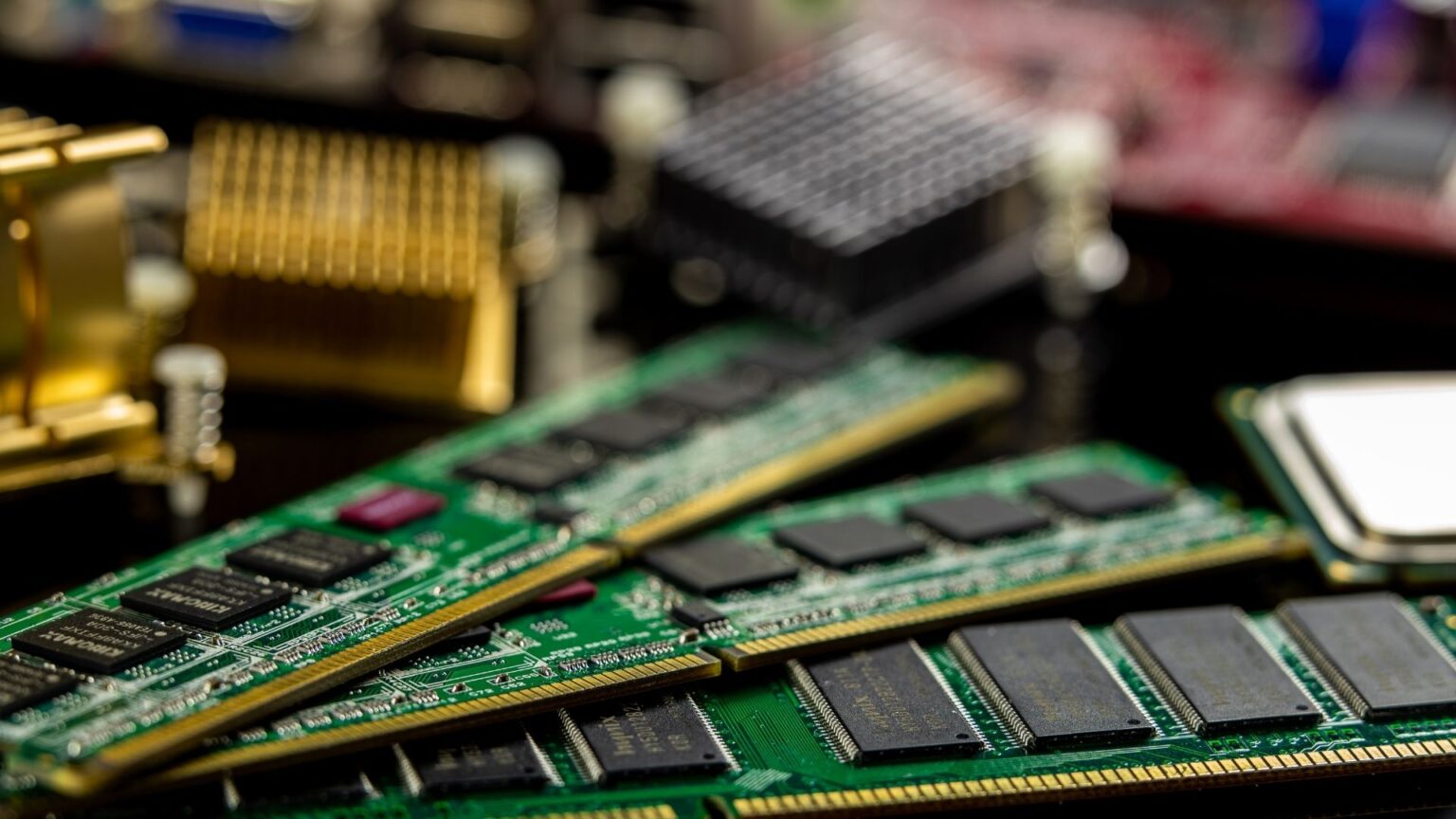
Server refresh cycles generate a steady stream of retired hardware, and memory modules are often among the most valuable components pulled during a decommission. ECC and RDIMM memory used in enterprise servers commands real resale value, sometimes significantly more than consumer-grade RAM, but getting that value back requires a process built around accuracy and security rather than simply pulling sticks and boxing them up. For IT teams and data center operators, that means inventorying what’s actually on hand, grading condition honestly, handling the hardware in a way that satisfies internal security policies, and choosing a resale path that fits the scale of what’s being retired.
Building an Accurate Inventory Before Anything Moves
The first step in any responsible decommission is knowing exactly what’s leaving the building. Server memory varies widely even within a single generation, and mixing up specifications during inventory creates problems down the line, from inaccurate valuations to mismatched listings that frustrate buyers. A proper inventory records the memory type, whether registered (RDIMM) or unbuffered, capacity per module, speed rating, and manufacturer for every stick pulled, along with the source server or rack location for traceability.
Asset tags and serial numbers matter more in a data center context than they typically do for consumer electronics, since many organizations have internal policies requiring a documented chain of custody for any hardware leaving a secure facility. Building a spreadsheet or using existing asset management software to log each module as it’s pulled, rather than reconstructing the inventory afterward from memory, saves significant time and reduces the chance of errors that could affect either compliance reporting or the accuracy of a resale valuation.
Grading Condition and Verifying Functionality
Once the inventory is built, each module needs to be tested and graded, since ECC and RDIMM memory that tests as fully functional commands a meaningfully higher price than modules with errors or uncertain status. Running each stick through diagnostic testing, either in a dedicated test bench or using memory diagnostic tools within a spare server, identifies modules with correctable or uncorrectable errors before they get bundled with known-good inventory.
Grading at scale benefits from a consistent internal standard rather than ad hoc judgment calls from whoever happens to be handling the pull. A simple tiered system, separating modules into fully tested and verified, untested but visually intact, and failed or damaged, keeps the process moving efficiently across large quantities while still producing accurate listings. When it comes time to sell Server RAM at PayMore or through a comparable buyback channel, accurate grading up front tends to result in quotes that match expectations rather than requiring renegotiation after the buyer’s own inspection turns up discrepancies.
Secure Handling and Data Security Considerations
RAM doesn’t retain data after power loss the way a storage drive does, but many data centers still treat memory modules pulled from production servers with the same handling discipline applied to storage media, largely because internal security policies often don’t distinguish between component types when it comes to chain of custody. Maintaining physical control of pulled memory, from the moment it’s removed from a server to the moment it’s packaged for transfer, keeps the process aligned with most enterprise security frameworks and audit requirements.
A few practices tend to matter most for teams handling this at scale:
- Logging every module transfer between internal storage, testing stations, and shipping, so there’s a documented record of custody at each stage.
- Restricting physical access to areas where pulled memory is staged before resale, consistent with how other decommissioned hardware is typically secured.
- Verifying the buyer’s handling practices, particularly for organizations in regulated industries where vendor security posture is part of a broader compliance review.
- Retaining documentation of the resale transaction itself, including quantities, specifications, and buyer details, for internal audit trails.
Organizations that need documented proof of proper handling for compliance purposes should confirm ahead of time that a buyer can provide the paperwork required, since not every resale channel offers the same level of transaction documentation.
Choosing a Resale Path That Fits the Volume
Bulk quantities of retired server memory don’t fit neatly into the same resale channels used for a handful of consumer sticks. Data centers decommissioning racks of servers at once typically need a buyer capable of processing volume efficiently, providing consistent pricing across large batches, and handling logistics like freight shipping rather than individual small parcels. Marketplace listings, while workable for small quantities, become impractical at scale given the time required to list, photograph, and manage dozens or hundreds of individual transactions.
Specialized buyback services built around IT asset disposition tend to be a better fit for larger volumes, since they’re set up to quote and process bulk lots efficiently. Teams selling larger lots should confirm the buyer’s intake requirements, testing process, and capacity to handle the volume before arranging a handoff, since bulk inventory can require different preparation from a one-off consumer sale.
Documentation and Compliance Throughout the Process
Enterprise IT asset disposal usually carries compliance requirements that go beyond what an individual seller needs to worry about. Many organizations, particularly those in finance, healthcare, or government-adjacent sectors, require documented proof that retired hardware was handled through an approved process, with records retained for a set period afterward. Building documentation into the resale workflow from the start, rather than trying to reconstruct it after modules have already shipped, keeps the process compliant without adding significant extra work.
This typically means retaining copies of inventory logs, testing and grading records, chain-of-custody documentation, and final sale confirmations together as a single package tied to each decommission event. Having this documentation readily available also simplifies internal audits and vendor security reviews, since the full history of a batch of retired memory can be produced quickly rather than pieced together from scattered records after the fact.
Final Analysis
Reselling retired ECC and RDIMM server memory profitably and securely depends on treating the process with the same discipline applied to any other enterprise IT asset disposal task. An accurate inventory, honest grading based on real testing, consistent handling practices that satisfy internal security policies, and a resale channel equipped for enterprise volume all work together to protect both the value of the hardware and the organization’s compliance posture. Data centers that build these steps into a standard decommission workflow, rather than treating memory resale as an afterthought, consistently recover more value from retired hardware while avoiding the security and compliance gaps that come from a rushed or informal process.
