
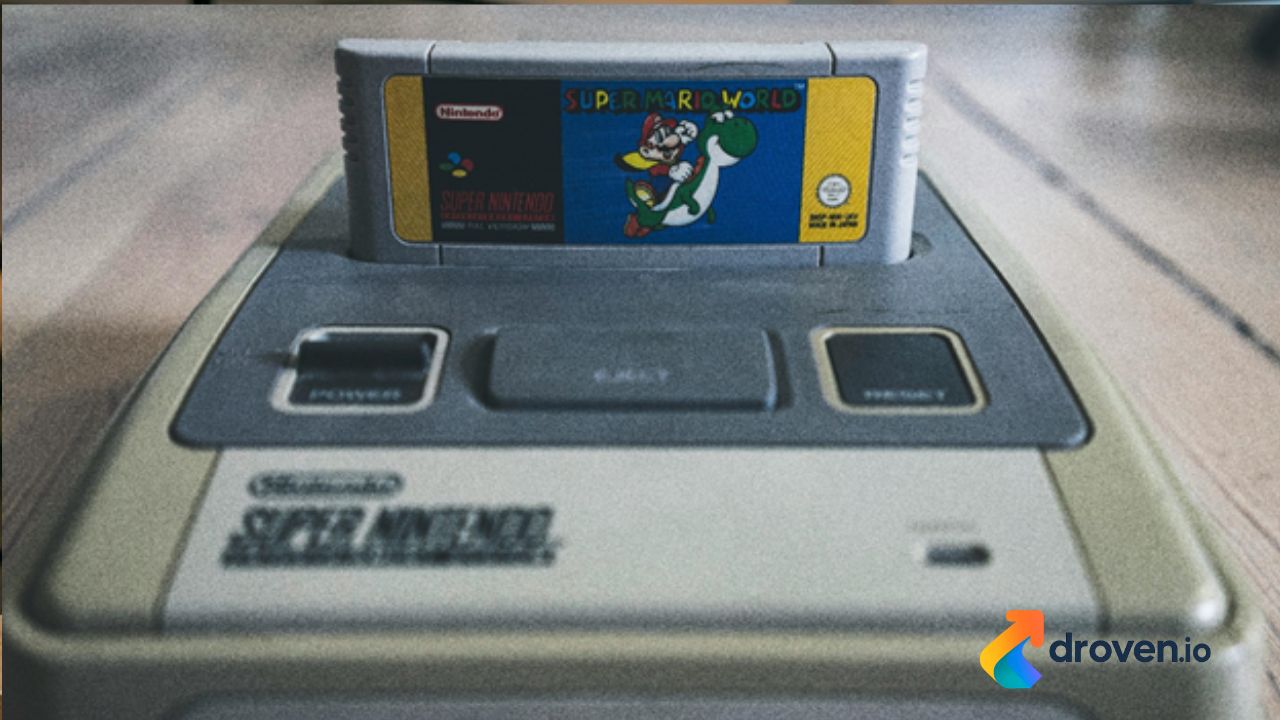
You find an old game cartridge in a drawer while looking for something else, and for a minute you just stand there turning it over in your hand. The label is worn. The plastic feels lighter than you remember. It’s strange how something that once felt ordinary now feels rare. That’s usually how retro collecting starts, not with strategy, but with memory.
What began as people revisiting childhood favorites has turned into a structured market. The motivation has changed. Nostalgia is still there, but money is in the room now, too.
Nostalgia as an Entry Point
Most investors in retro games didn’t begin with spreadsheets. They began with memories. A console under the TV. Weekend tournaments with friends. A soundtrack that still plays in their head years later. That emotional connection drives initial interest. But once people see how certain titles have appreciated, curiosity turns into research. Market trends are studied. Auction results are tracked. Forums are read carefully. There’s something human about that path. We start with feeling, then justify it with logic.
The Rise in Demand for Authentic Retro Games
At first, collecting was casual. People picked up used cartridges at local shops or online marketplaces. If the game worked, that was enough. Scratches didn’t matter much. Missing manuals were common. It was about replaying a favorite title.
That changed as certain games began selling for unexpected amounts. A sealed copy here. A rare variant there. Collectors started asking for proof of authenticity and condition. That demand led to professional grading services. Games were sealed in tamper-proof cases and given numeric scores based on condition.
The shift created structure. It also created distance. A game sealed in plastic is no longer meant to be played. It becomes an object to preserve.
For collectors looking to buy graded video games, the focus is often on long-term value rather than gameplay. Condition, rarity, and certification history become part of the decision. It’s a different mindset from swapping cartridges on the living room floor.
Nostalgia as an Entry Point
Most investors in retro games didn’t begin with spreadsheets. They began with memories. A console under the TV. Weekend tournaments with friends. A soundtrack that still plays in their head years later.
That emotional connection drives initial interest. But once people see how certain titles have appreciated, curiosity turns into research. Market trends are studied. Auction results are tracked. Forums are read carefully. There’s something human about that path. We start with feeling, then justify it with logic. In this case, nostalgia opens the door, and data keeps people inside.
Scarcity Is Real
Unlike digital downloads, physical game cartridges and discs exist in limited numbers. Production runs were finite. Over time, copies were damaged, lost, or discarded. Sealed versions became rarer still.
Scarcity creates value. When demand rises, and supply cannot increase, prices follow. That’s basic economics. But it feels different when tied to childhood objects. Some titles were never considered important when released. Years later, they become hard to find in pristine condition. A once-common game can shift into collectible territory without much warning.
The market is not uniform. Not every old game is valuable. Condition and rarity play central roles. A popular title with millions of copies may still hold modest value. A niche title with limited distribution may command far more.
The Influence of Online Marketplaces
The internet changed everything. Before online auctions and resale platforms, pricing information was fragmented. A local shop might charge one amount, unaware of national demand.
Now prices are transparent. Completed sales are visible. Trends can be analyzed in real time. That transparency supports both buyers and sellers.
It also fuels speculation. When a headline announces a record-breaking sale, attention spikes. More people begin searching their closets. Social media amplifies this effect. Influencers showcase collections. Price spikes circulate quickly. Momentum builds. Still, markets based heavily on attention can cool just as quickly. Long-term collectors tend to look past short-term noise.
Investment or Passion Project?
There’s an ongoing debate about whether retro gaming should be treated as an investment class. Some argue it behaves like art or rare coins. Others caution that markets built on nostalgia can fluctuate.
Both perspectives hold truth. High-grade, sealed games with strong cultural impact may hold value well. Lesser-known titles might not.
Investing in collectibles requires patience and risk tolerance. Unlike stocks, these assets are not liquid in the same way. Selling may take time. Prices can shift depending on broader economic conditions.
During economic downturns, discretionary spending often drops. Collectible markets can soften. During periods of strong consumer confidence, interest tends to rise again. Collectors who focus only on profit may find the experience stressful. Those who genuinely enjoy the items often feel more balanced.
Authentication as Protection
As prices increased, so did counterfeits. Reproductions and resealed boxes entered the market. That forced buyers to become more cautious. Professional grading and authentication emerged as safeguards. Third-party verification reduces uncertainty. It doesn’t eliminate risk, but it adds structure. The graded case itself becomes part of the asset. Breaking the seal typically reduces resale value. That changes the relationship between owner and object. What was once a playable item becomes something closer to a collectible card or comic book.
Generational Shifts
An interesting pattern has appeared: as generations age into higher earning years, they revisit the games of their youth. Millennials now collect what they grew up with. Older collectors focus on earlier consoles.
This generational cycle suggests demand will continue shifting. As new groups gain disposable income, their childhood favorites may see renewed interest. However, that doesn’t guarantee uniform appreciation. Cultural relevance matters. Iconic franchises tend to maintain broader appeal than obscure releases.
The market moves in layers. Each console era finds its moment.
The Digital Contrast
Modern gaming is largely digital. Downloads replace cartridges. Cloud saves replace memory cards. Physical ownership feels less central.
That shift has made tangible items feel more meaningful to some collectors. A physical cartridge can be held, displayed, or stored. Digital assets can disappear if a service shuts down. Physical copies persist, assuming they’re cared for. Ironically, as technology becomes more advanced, older formats gain charm. The simplicity becomes part of the appeal.
Retro gaming today sits at an intersection. It’s part hobby, part marketplace. Some participants chase return on investment. Others simply want to reconnect with a piece of their past. Whether viewed as an investment, hobby, or both, retro gaming has stepped into a new era. The cartridges may be old, but the market around them is anything but.
