
Few things disrupt a peaceful home faster than the sound of scratching in your walls at 2 a.m. Rodents are small, but the damage they cause is anything but. From chewed wiring to contaminated food storage, a minor rodent problem can spiral into a costly, health-threatening situation within weeks.
If you’ve noticed droppings in your pantry, strange noises in the attic, or gnaw marks on baseboards, your home may already be hosting unwanted guests. The good news? Catching the signs early makes the solution far simpler. This guide walks through what to look for, why acting quickly matters, and how professional support can restore comfort to your home for good.
Why Rodents Are More Than Just a Nuisance
Mice and rats don’t just startle homeowners. They carry real risks that go far beyond the “ick” factor.
Rodents are known carriers of diseases such as hantavirus and Salmonella, which can spread through droppings, urine, and even airborne particles. They also chew relentlessly, which means electrical wiring, insulation, and wooden structures are all fair game. According to the National Fire Protection Association, rodent damage to wiring is a documented cause of house fires, making this far more than a cosmetic issue.
Beyond the physical damage, rodents reproduce quickly. A single pair of mice can produce dozens of offspring within a year, turning a two-rodent problem into a full-blown infestation before most homeowners even realize what’s happening.
Common Signs of a Rodent Infestation
Recognizing the early warning signs can save homeowners significant time, money, and stress. Watch for the following:
- Droppings: Small, dark pellets near food sources, cabinets, or along walls.
- Scratching sounds: Noises in walls, ceilings, or attics, especially at night.
- Chewed materials: Gnaw marks on wood, wiring, or packaging.
- Nesting materials: Shredded paper, fabric, or insulation gathered in hidden corners.
- Unusual pet behavior: Dogs and cats often react strongly to the scent or sound of rodents, even before their owners notice a problem.
Spotting even one of these signs is worth investigating further. Rodents are excellent at staying hidden, so by the time they’re noticeable, they’ve often already settled in.
Why DIY Solutions Often Fall Short
Traps and store-bought repellents can feel like a quick fix, but they rarely address the root of the problem. Rodents are resourceful. They can squeeze through gaps as small as a dime and often find new entry points even after a few are sealed.
Store-bought solutions also tend to target visible rodents rather than the full colony hiding within walls, crawlspaces, or attics. This means homeowners may catch a few mice while missing the larger nest responsible for the ongoing problem. Without a thorough inspection and long-term prevention plan, infestations tend to return, sometimes worse than before.
What to Expect From Professional Rodent Control
A trained wildlife control team brings a level of thoroughness that DIY methods simply can’t match. The process typically includes:
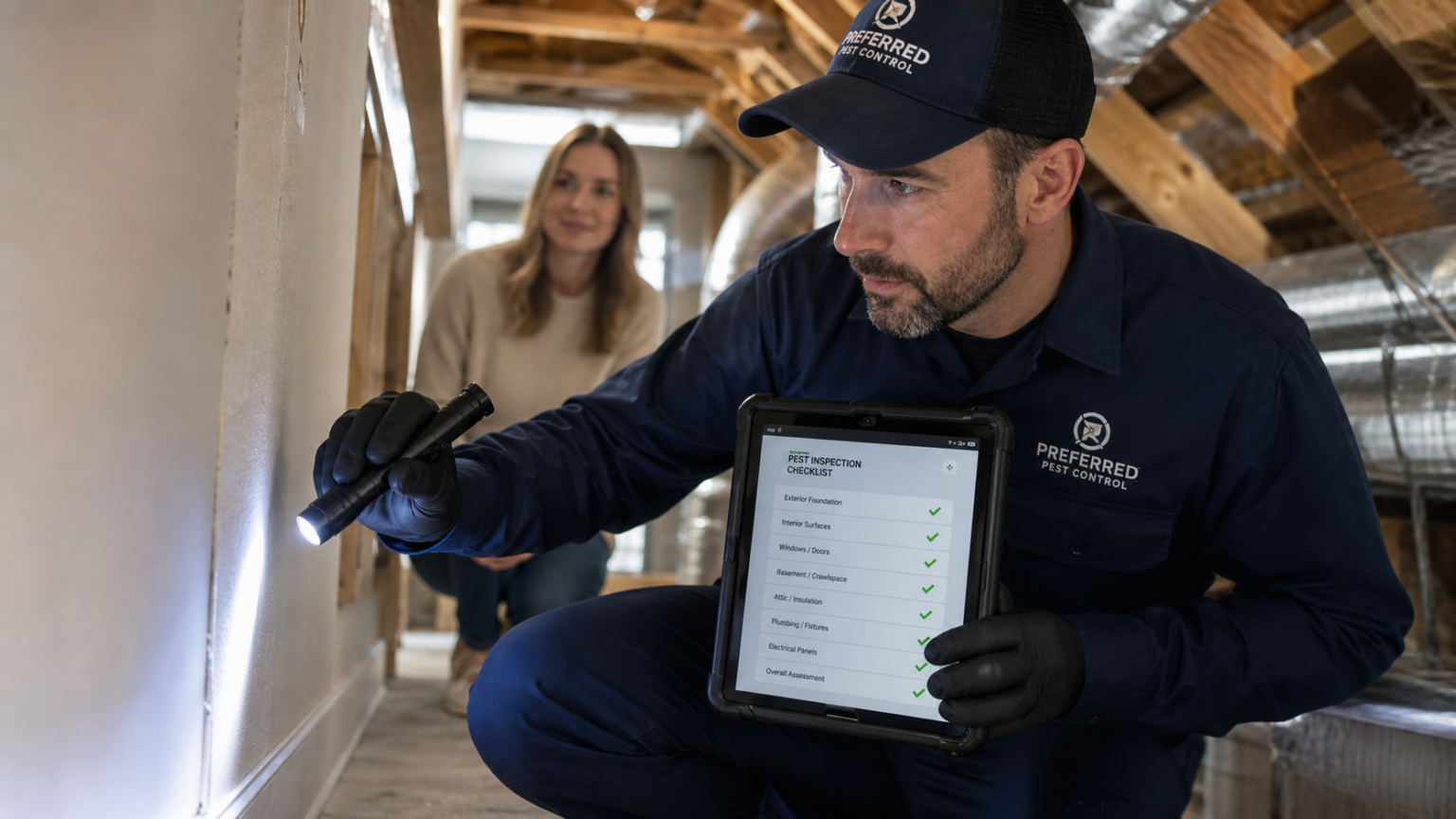
A Detailed Property Inspection
Technicians examine the interior and exterior of the home to identify entry points, nesting sites, and the extent of the infestation. This step is crucial for understanding not just where rodents are, but how they got in.
Humane Removal and Exclusion
Rather than relying solely on traps, professionals often use a combination of removal methods and exclusion techniques, such as sealing entry points with rodent-proof materials, to prevent future access.
Sanitation and Damage Assessment
Rodent activity can leave behind contamination and structural damage. A professional assessment identifies any repairs or cleanup needed to restore the home to a safe condition.
Long-Term Prevention Strategies
The most effective rodent control doesn’t stop at removal. It includes recommendations for ongoing prevention, such as sealing vulnerable areas and monitoring for future activity.
How Palm Beach Wildlife Services Approaches Rodent Problems
At Palm Beach Wildlife Services, every rodent case begins with a thorough, no-guesswork inspection. Rather than offering a one-size-fits-all solution, the team tailors its approach to the specific layout of each home, the severity of the infestation, and the entry points unique to that property.
Rodent removal designed to eliminate every nesting site while sealing off future entry points offers homeowners something store-bought traps simply can’t: lasting results. This approach focuses not only on removing the rodents currently present but also on preventing new ones from moving in once the job is done.
The team’s familiarity with South Florida’s climate and common rodent behavior means solutions are practical and suited to the region. Homes near wooded areas, waterways, or dense landscaping face unique risks, and understanding those local factors makes a measurable difference in long-term prevention.
Protecting Your Home for the Long Run
A rodent-free home isn’t just about comfort. It’s about protecting your family’s health, your property’s structural integrity, and your peace of mind. Waiting until the problem becomes severe often means more extensive repairs and higher costs down the line.
Taking action at the first sign of trouble, whether that’s a strange noise in the attic or a few droppings in the pantry, puts homeowners in a much stronger position. Early intervention is almost always simpler, faster, and less costly than dealing with an established infestation.
If you’ve noticed any of the warning signs mentioned above, don’t wait for the problem to grow. Reaching out to a trusted local team can mean the difference between a quick resolution and months of frustration.
