
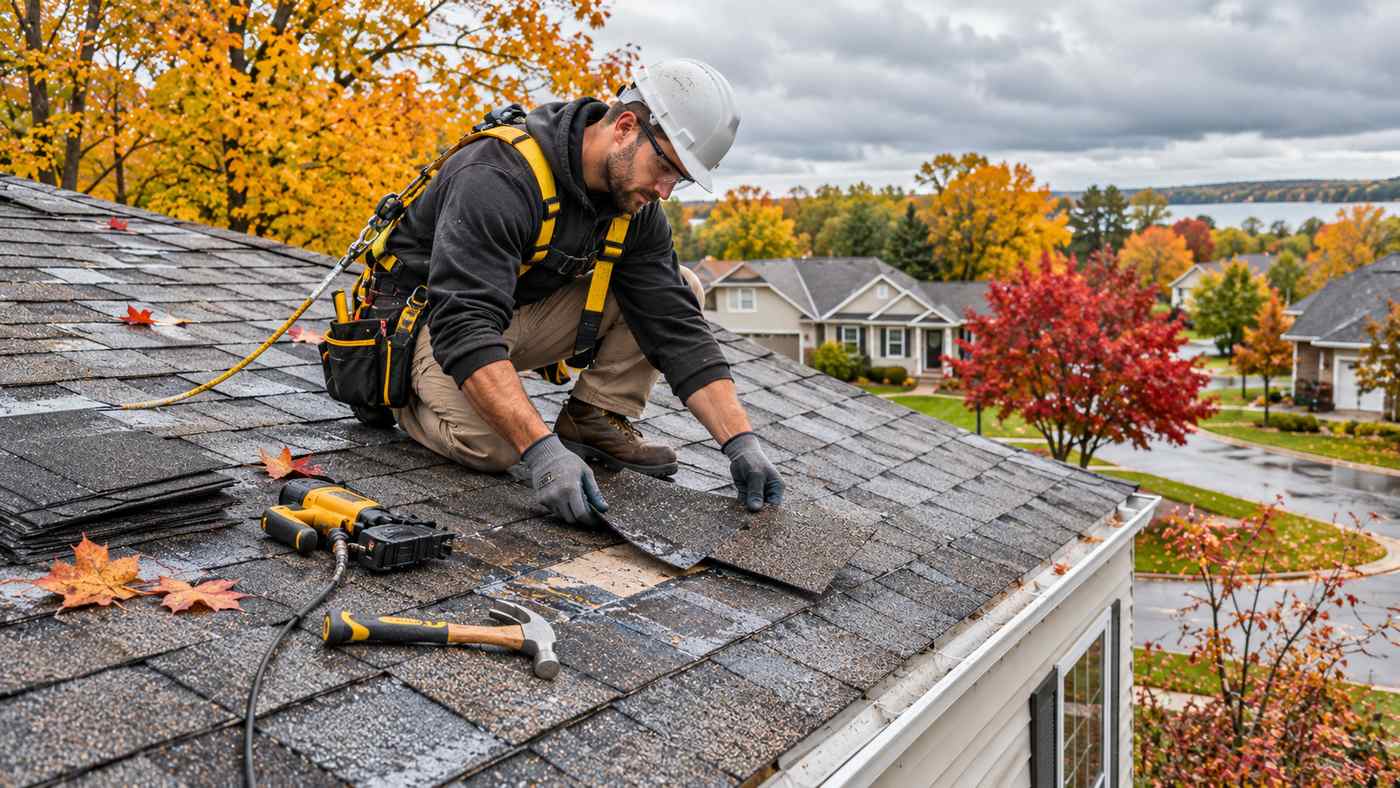
Finding reliable roof repair services in Wisconsin is essential for homeowners dealing with leaks, damaged shingles, winter weather, or unexpected storm damage. Wisconsin’s changing seasons expose residential roofs to snow, ice, hail, strong winds, heavy rain, and fluctuating temperatures. Over time, these conditions can weaken roofing materials and allow moisture to enter a home. What initially appears to be a minor problem may develop into damaged insulation, rotting wood, or expensive interior repairs. Understanding the early warning signs of roof damage helps homeowners take appropriate action before problems become more serious. This guide explains nine important signs that indicate a roof may need professional attention, how roofing contractors evaluate damage, and what Wisconsin homeowners should consider when planning repairs.
Why Roof Maintenance Matters in Wisconsin
Wisconsin experiences a wide range of weather conditions throughout the year.
Cold winters bring snow accumulation, freezing temperatures, and ice formation. Spring and summer can introduce heavy rain, hail, and thunderstorms, while autumn brings falling leaves and temperature changes.
These seasonal conditions place repeated stress on roofing materials.
Asphalt shingles may loosen during high winds. Flashing around chimneys and vents can deteriorate, while blocked drainage systems may contribute to moisture problems.
Snow and ice can create additional concerns when roof temperatures vary across the surface.
A dependable roof protects the home’s structural components, insulation, electrical systems, and interior finishes.
Regular inspections and timely repairs can help extend the useful life of a roofing system.
However, homeowners should avoid climbing onto damaged, wet, icy, or steep roofs. Professional inspections are safer and more appropriate when significant damage is suspected.
9 Essential Signs Your Roof Needs Professional Repair
Recognizing roofing problems early can help homeowners avoid unnecessary damage.
The following warning signs deserve attention, particularly after severe weather.
1. Missing, Cracked, or Curling Shingles
Asphalt shingles provide an important protective layer against rain and other weather conditions.
Over time, shingles may become brittle, crack, curl, or loosen.
Strong winds can also remove shingles entirely.
Missing shingles may expose underlying roofing components to moisture.
If you notice shingles lying in the yard after a storm, arrange a professional inspection.
A contractor can determine whether isolated replacement is sufficient or whether the surrounding materials are also compromised.
2. Water Stains on Ceilings or Walls
Water stains are among the most recognizable signs of a possible roof leak.
Discolored patches may appear on ceilings, upper walls, or around attic openings.
However, a stain does not always reveal where water entered the roof.
Moisture can travel along framing, insulation, or other surfaces before becoming visible.
A roofing professional can investigate potential entry points.
Homeowners should also consider plumbing or condensation problems because not every interior stain originates from the roof.
3. Damaged Roof Flashing
Flashing is installed around roof penetrations and transitions.
Common locations include chimneys, skylights, plumbing vents, and roof valleys.
Its purpose is to direct water away from vulnerable joints.
When flashing becomes loose, corroded, improperly sealed, or damaged, water may enter the roofing assembly.
Flashing repairs require careful attention to the surrounding materials.
Simply applying sealant over a damaged area may not provide a durable solution.
Professional roof repair services in Wisconsin can identify whether flashing needs repair or replacement.
4. Ice Dams During Winter
Ice dams occur when melting snow refreezes near colder roof edges.
The resulting ice can obstruct drainage and allow water to collect behind it.
Under certain conditions, backed-up water may penetrate beneath roofing materials.
Ice dams are especially concerning because they can cause interior leaks during freezing weather.
Prevention may involve improving attic insulation, air sealing, ventilation, and roof drainage.
Homeowners should avoid standing on icy roofs or using sharp tools to remove accumulated ice.
Professional assistance is recommended when significant ice formation or leakage occurs.
5. Granules Collecting in Gutters
Asphalt shingles often have protective mineral granules.
Some granule loss can occur naturally as roofing materials age.
However, unusual amounts of loose granules in gutters or near downspouts may indicate accelerated wear or damage.
Granule loss can be associated with aging, abrasion, or certain storm impacts.
A contractor should assess whether the shingles remain serviceable.
The presence of granules alone does not automatically mean a roof requires replacement.
6. Visible Sagging or Structural Changes
A roofline that appears noticeably uneven or sagging requires prompt professional evaluation.
Possible causes include damaged framing, prolonged moisture exposure, or structural loading concerns.
Not every variation in a roofline indicates an emergency, but new or worsening deformation should be taken seriously.
If sagging follows heavy snow accumulation or appears alongside cracking sounds, shifting structural elements, or interior ceiling deformation, keep people away from the affected area and seek urgent professional assistance.
Do not attempt to inspect the structural problem by walking on the roof.
7. Hail and Storm Damage
Wisconsin storms can damage roofing systems through wind, hail, falling branches, and wind-driven rain.
Hail may cause bruising, fractures, or granule displacement in certain roofing materials.
Wind can loosen shingles or damage roof edges.
Some storm damage is difficult to identify from the ground.
After a significant storm, look for fallen shingles, damaged gutters, broken branches, or visible changes to the roof surface.
Avoid assuming that every mark indicates hail damage. Professional assessment is important for determining the cause and extent of damage.
8. Unexpected Moisture in the Attic
Attic moisture can indicate a roofing or ventilation problem.
Warning signs include damp insulation, water staining, musty odors, or deteriorating wood.
Moisture may enter through roofing defects, but condensation and inadequate air sealing can produce similar symptoms.
A proper evaluation should examine both exterior and interior conditions.
Early investigation can help prevent continued deterioration and identify the correct repair approach.
9. Repeated Roof Leaks After Previous Repairs
A roof that continues leaking after several repairs may have an unresolved underlying problem.
Repeated leaks can occur when the original source of water intrusion was not identified correctly.
They may also indicate widespread material deterioration or installation defects.
Instead of repeatedly treating the visible symptoms, homeowners should request a thorough examination.
A qualified contractor can explain whether further localized repairs are reasonable or whether more extensive work is needed.
Common Roof Problems Caused by Wisconsin Weather
Weather-related damage is a significant concern for residential roofing systems.
Winter Snow and Freezing Temperatures
Heavy snow can increase structural loads.
Freeze-thaw cycles can also contribute to the deterioration of certain roofing components.
Proper attic conditions and drainage are important for reducing some winter roofing problems.
Spring Rain and Thawing Conditions
Spring may reveal damage that developed during winter.
Melting snow and seasonal rain can expose weaknesses around flashing, roof valleys, and other vulnerable areas.
Summer Hailstorms
Severe thunderstorms can affect roof coverings, gutters, siding, and surrounding structures.
Damage should be evaluated based on actual conditions rather than automatically assuming replacement is necessary.
Autumn Leaves and Debris
Falling leaves can obstruct gutters and downspouts.
When drainage is restricted, water may overflow or collect in undesirable locations.
Maintaining drainage systems helps protect roof edges and adjacent building components.
What Happens During a Professional Roof Inspection?
A roofing inspection involves evaluating the condition of visible roofing materials and related components.
The exact process depends on the roof type, building design, and suspected problem.
Exterior Assessment
A contractor may examine shingles, flashing, penetrations, roof edges, and drainage systems.
Visible signs of wear, movement, or water intrusion are documented.
Interior and Attic Evaluation
Where accessible and appropriate, the inspection may include attic conditions.
The contractor may look for moisture staining, damaged decking, or indications of ventilation problems.
Identifying the Likely Cause
The goal is to determine why the problem occurred.
For example, replacing damaged interior drywall will not resolve a leak if the roof continues allowing water inside.
Repair Recommendations
After evaluating the roof, the contractor should explain the findings and proposed repairs.
A written estimate should describe the work, materials, anticipated costs, and relevant conditions.
Professional Roofing Services and Local Expertise
Selecting a roofing contractor with experience in regional weather conditions can be helpful.
Wisconsin homes may require repairs associated with storm impacts, ice dams, aging shingles, and seasonal moisture.
Homeowners researching roof repair services in Wisconsin can explore the repair services offered by Krumm Exteriors.
According to its official website, Krumm Exteriors has served customers in Wisconsin and Minnesota since 1997. The company advertises services involving roof leaks, weather damage, and residential roof repairs. Krumm Exteriors+1
Its published service information also describes inspection-based repair recommendations and a service repair fee.
Homeowners should confirm current service areas, inspection charges, scheduling, warranty coverage, and project conditions directly before hiring any contractor.
A professional roofing assessment should focus on identifying the actual problem rather than recommending unnecessary work.
Roof Repair vs. Roof Replacement: Which Is Better?
Not every damaged roof needs complete replacement.
The appropriate decision depends on the roof’s condition and whether individual repairs can restore reliable performance.
When Roof Repair May Be Suitable
Localized repairs may be appropriate for isolated missing shingles, selected flashing defects, or limited damage affecting otherwise serviceable roofing materials.
The surrounding roof must remain in suitable condition.
When Replacement May Be Necessary
Replacement may become more appropriate when damage is extensive, roofing materials have deteriorated significantly, or repeated repairs no longer provide dependable protection.
Hidden damage to decking or other components can also influence the scope of work.
Consider the Roof’s Remaining Service Life
Age alone does not determine whether a roof must be replaced.
Installation quality, materials, weather exposure, maintenance, and existing condition all matter.
Homeowners should request an explanation of the available options rather than relying only on the roof’s age.
How Much Do Roof Repairs Cost in Wisconsin?
The cost of roof repair varies according to the nature and extent of the problem.
A small, accessible repair may cost considerably less than extensive storm restoration involving damaged decking.
Important pricing factors include the roof’s pitch, height, material type, access conditions, labor requirements, and the amount of damaged material.
Emergency temporary protection may involve additional charges.
Repairs requiring specialized materials or complicated flashing work can also cost more.
When comparing quotations, homeowners should ask whether the price includes materials, labor, waste removal, necessary permits, and warranty terms.
A detailed written estimate is more useful than a generic statewide average because actual building conditions vary considerably.
How to Choose a Reliable Roofing Contractor
Finding a trustworthy professional is an important part of protecting a home.
Review Local Experience
Look for contractors familiar with the roofing materials and weather conditions common in your area.
Relevant experience can help identify region-specific problems.
Verify Credentials
Wisconsin’s Department of Agriculture, Trade and Consumer Protection advises homeowners to check contractor credentials and applicable registration or certification requirements.
Depending on the work and who obtains permits, Wisconsin dwelling contractor certifications may be required. datcp.wi.gov
Confirm Insurance
Ask for documentation of relevant insurance coverage.
Coverage should be appropriate for the proposed roofing activities.
Request a Written Contract
The agreement should identify the scope of work, materials, payment schedule, and any applicable guarantees.
Avoid relying entirely on verbal promises.
Check References
Review previous projects and seek feedback from customers who received similar services.
Watch for High-Pressure Sales Tactics
Wisconsin’s consumer protection agency warns homeowners to be cautious about aggressive storm-repair solicitations and recommends verifying contractors before signing agreements. datcp.wi.gov
Will Homeowners Insurance Cover Roof Repairs?
Insurance coverage depends on the policy and cause of damage.
Some policies may cover sudden damage caused by events such as wind or hail, subject to exclusions, deductibles, and other conditions.
Gradual deterioration, ordinary wear, and maintenance-related problems may be treated differently.
Homeowners should review their policy and contact their insurer when potentially covered damage occurs.
Photographs, inspection reports, repair estimates, and relevant weather information may help document the claim.
Do not assume that a roofing contractor can guarantee insurance approval.
Wisconsin’s DATCP has issued updated consumer guidance in April 2026 advising residents to verify contractors, review contracts carefully, and check permit requirements after storms. datcp.wi.gov
How to Prevent Common Roof Problems
Preventive maintenance can reduce the likelihood of some avoidable roofing issues.
Schedule Periodic Inspections
A professional inspection may help identify loose components, aging flashing, and minor deterioration.
The appropriate frequency depends on roof age, material, and exposure.
Maintain Gutters and Downspouts
Remove leaves and debris safely.
Water should drain away from vulnerable roof edges and the home.
Address Attic Conditions
Poor insulation, air leakage, and ventilation issues may contribute to winter roof problems.
A qualified professional can assess the home’s specific conditions.
Inspect After Severe Weather
Following high winds or hail, look for visible damage from a safe location.
Arrange a professional assessment when warning signs are present.
Repair Problems Promptly
Small defects can allow moisture to affect additional materials.
Timely repairs may help reduce the extent of damage, although results depend on the condition of the roof.
What to Do When Your Roof Starts Leaking
An active leak requires prompt attention.
First, keep people away from affected electrical fixtures, sagging ceilings, or other potentially dangerous areas.
If safe, move belongings away from dripping water and use containers to limit interior water spread.
Document visible damage with photographs.
Contact a qualified roofing professional to assess the source and arrange appropriate temporary protection or repair.
Avoid climbing onto the roof or attempting repairs during rain, snow, high winds, or freezing conditions.
If water reaches electrical systems or significant structural damage is suspected, seek the appropriate emergency assistance.
Frequently Asked Questions
1. What are the most common signs that a roof needs repair?
Common warning signs include missing shingles, water stains, damaged flashing, attic moisture, visible sagging, and recurring leaks. Professional inspection can help determine the cause and appropriate repair.
2. How often should Wisconsin homeowners inspect their roofs?
Homeowners should visually monitor roof conditions and consider periodic professional inspections based on roof age and exposure. Additional inspection may be appropriate after significant wind, hail, or other severe weather.
3. Can ice dams damage a roof in Wisconsin?
Yes. Ice dams can prevent melting snow from draining properly, potentially allowing water to penetrate roofing materials. Proper air sealing, insulation, and suitable roof conditions can help reduce certain ice dam risks.
4. Is repairing a roof cheaper than replacing it?
Localized repair is often less expensive initially than full replacement. However, widespread deterioration or repeated failures may make replacement more practical over the long term.
5. Does homeowners insurance cover storm-damaged roofs?
Some policies cover certain sudden storm-related damage, subject to policy terms, exclusions, and deductibles. Coverage should be verified directly with the insurance company.
6. How do I find trustworthy roof repair services in Wisconsin?
Compare relevant experience, credentials, insurance documentation, written estimates, customer references, and warranty terms. Verify applicable requirements and avoid contractors using high-pressure sales tactics.
Conclusion
Professional roof repair services in Wisconsin help homeowners address damage caused by storms, seasonal weather, aging materials, and moisture intrusion. Recognizing warning signs early can prevent some minor roofing problems from developing into more extensive damage. Homeowners should prioritize safe inspections, reliable contractors, clear written estimates, and timely repairs when problems appear. With appropriate maintenance and informed decisions, a residential roof can continue protecting the home throughout Wisconsin’s demanding seasons
