
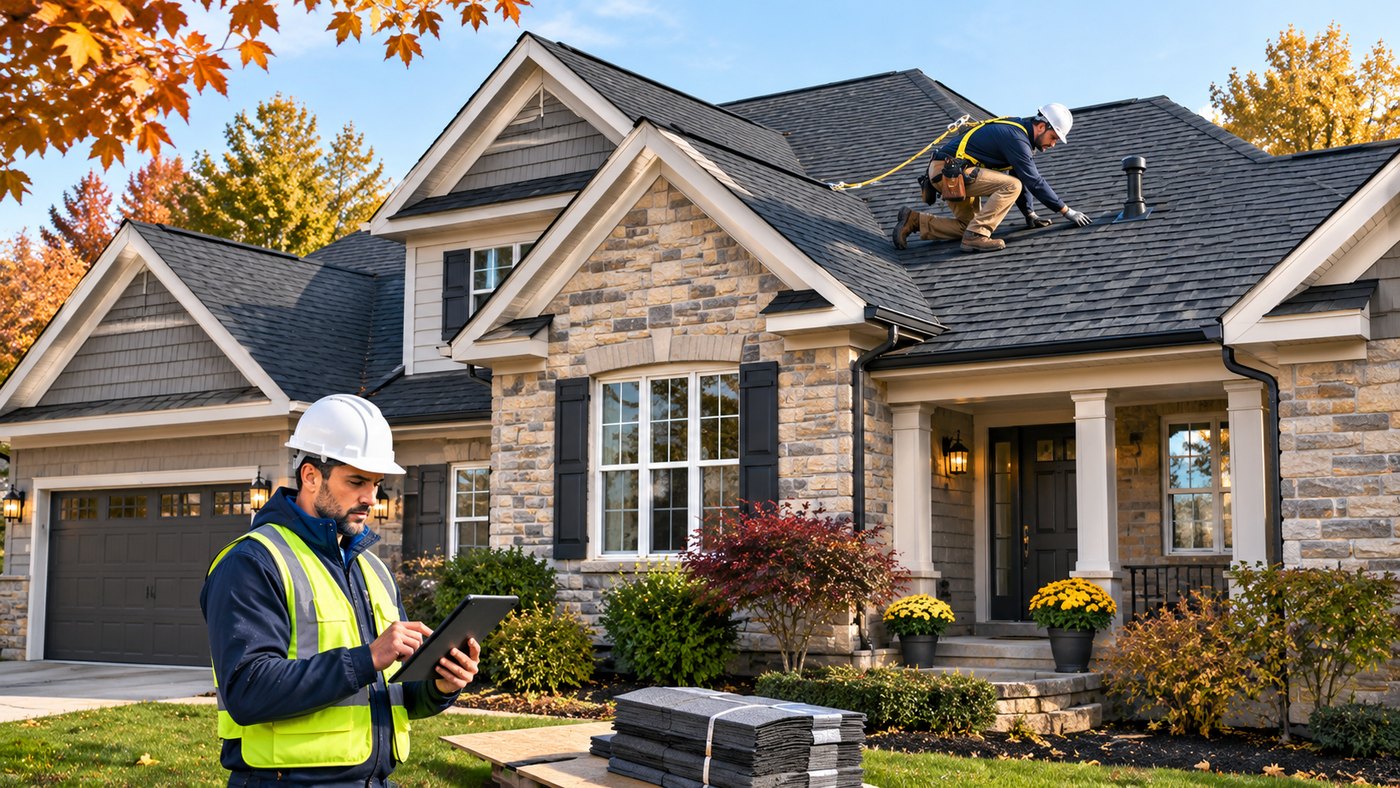
Your home’s roof is one of its most important protective features. It shields the structure from rain, snow, wind, sunlight, and changing temperatures while contributing to energy efficiency and overall property appearance. However, roofing materials gradually deteriorate, and unexpected storms can create damage that requires professional attention. Knowing when to repair or replace a roof can help homeowners avoid costly structural problems.
Choosing a dependable roofing company is an important decision for homeowners planning roof inspections, repairs, or complete replacements. A qualified contractor can evaluate existing conditions, explain suitable roofing materials, identify potential problems, and recommend solutions based on the property’s requirements.
In Cranberry Township, Pennsylvania, roofs must withstand cold winters, seasonal snowfall, summer humidity, heavy rain, and occasional severe storms. These conditions make proper installation, ventilation, drainage, and routine maintenance particularly important.
However, selecting a contractor involves more than comparing prices. Homeowners should investigate experience, Pennsylvania contractor registration, insurance coverage, material quality, workmanship, warranties, and written agreements.
This comprehensive guide explains seven essential considerations for choosing a roofing professional, understanding roof replacement options, comparing estimates, and protecting your home improvement investment.
What Does a Professional Roofing Company Do?
A professional roofing company provides services related to the installation, inspection, repair, replacement, and maintenance of roofing systems.
These services help protect residential buildings against weather-related damage and normal material deterioration.
Depending on its capabilities, a contractor may work with asphalt shingles, metal roofing, flashing, ventilation components, roof decking, and other parts of the roofing system.
Residential Roof Inspections
A roofing inspection evaluates the visible condition of the roof and identifies issues that may require further investigation.
A qualified professional may examine shingles, flashing, drainage areas, roof penetrations, and accessible structural components.
An inspection can help homeowners understand whether a problem requires a minor repair, more extensive work, or a complete replacement.
Roof Repair Services
Some roofing problems can be corrected without replacing the entire roof.
Examples include damaged shingles, localized flashing failures, and selected areas of water intrusion.
However, repairs must be appropriate for the existing materials and overall roof condition.
Complete Roof Replacement
Roof replacement generally involves removing the existing covering where required, examining the underlying deck, and installing a new roofing system.
The work may also include underlayment, flashing, ventilation, edge protection, and related components.
Preventive Maintenance
Regular maintenance can help identify small problems before they cause more extensive damage.
Appropriate inspections and maintenance schedules depend on the roofing material, roof design, age, and exposure to weather.
Signs Your Home May Need Roofing Repairs or Replacement
Roof deterioration is not always immediately obvious.
Some warning signs can be observed from the ground, while others require professional inspection.
Missing or Damaged Shingles
Strong winds, aging materials, and other conditions can cause shingles to crack, curl, loosen, or disappear.
Exposed areas may become more vulnerable to moisture intrusion.
Recurring Roof Leaks
Water stains on ceilings or walls may indicate a roofing problem.
However, moisture can also originate from plumbing, condensation, or other sources.
A proper investigation should identify the actual cause before repairs begin.
Granules Collecting in Gutters
Asphalt shingles contain protective surface granules.
Some granule loss occurs naturally over time, but excessive loss may indicate deterioration.
A roofing professional can help determine whether the condition is unusual.
Sagging Roof Areas
Visible sagging or changes in the roofline can indicate structural concerns.
These conditions require prompt professional evaluation.
Homeowners should avoid entering unsafe areas or climbing onto a potentially compromised roof.
Storm Damage
Hail, falling branches, and strong winds can damage roofing materials and related components.
After severe weather, a qualified inspection may reveal issues that are difficult to identify from the ground.
7 Essential Tips for Choosing a Reliable Roofing Company
Selecting the right contractor requires careful research and a clear understanding of the proposed work.
The following seven steps can help homeowners evaluate roofing services more confidently.
1. Verify Contractor Registration and Insurance
Before hiring a roofing company in Pennsylvania, homeowners should understand the state’s contractor registration requirements.
The Pennsylvania Home Improvement Consumer Protection Act establishes important consumer protections for qualifying home improvement projects.
Understand Pennsylvania Contractor Registration
Most contractors performing qualifying residential home improvements in Pennsylvania must register with the Office of Attorney General.
There are statutory exceptions, including certain businesses performing less than $5,000 in home improvements annually.
Roofing work commonly falls within covered home improvement activities.
Check Registration Status
Homeowners can verify a contractor’s registration through the Pennsylvania Attorney General’s Home Improvement Contractor Registration Search.
Ask the company for its Pennsylvania Home Improvement Contractor registration number.
The number should appear in relevant advertisements, estimates, proposals, and contracts.
However, registration is not the same as a professional endorsement.
Pennsylvania’s Attorney General specifically explains that registration does not guarantee a contractor’s honesty, skill, or workmanship.
Confirm Insurance Coverage
A dependable roofing company should provide appropriate evidence of liability insurance and workers’ compensation coverage where applicable.
Liability coverage can help address certain property damage or injury claims.
Workers’ compensation coverage concerns qualifying workplace injuries.
Homeowners should confirm that coverage is current and appropriate for the project.
Verify the Actual Contracting Business
Some businesses operate through sales organizations, installation partners, or subcontractors.
Ask which legal entity will sign the agreement and which company will perform the roofing work.
Clear identification helps homeowners understand responsibilities and available remedies if a dispute arises.
2. Evaluate Roofing Experience and Previous Projects
Experience matters because roofing systems involve multiple components that must work together.
An attractive installation does not necessarily demonstrate that the underlying system was properly designed or installed.
Ask About Similar Roofing Projects
A contractor experienced with one type of roofing material may not have the same expertise with another.
For example, installing standing-seam metal roofing requires different methods from installing laminated asphalt shingles.
Ask whether the company has completed projects involving similar materials and roof designs.
Request Customer References
A roofing company should be willing to provide appropriate examples of completed work.
When references are available, homeowners can ask about communication, project cleanliness, scheduling, and the handling of unexpected problems.
Review Customer Feedback Carefully
Online reviews may provide information about customer experiences.
Look for recurring patterns rather than making a decision based on one unusually positive or negative review.
Consider how the contractor responds to legitimate concerns.
Understand Installation Responsibilities
Ask whether the company uses employees, subcontractors, or installation partners.
The important issue is ensuring that qualified personnel perform the work according to the agreed specifications.
Evaluate Communication
A professional contractor should explain the inspection findings and answer reasonable questions.
Be cautious when a salesperson creates unnecessary urgency or refuses to provide clear written information.
3. Compare Asphalt Shingles and Metal Roofing
Roofing materials differ in appearance, durability, cost, maintenance, and installation requirements.
A roofing company should help homeowners evaluate these differences rather than automatically recommend the most expensive option.
Asphalt Shingle Roofing
Asphalt shingles are commonly used on residential properties throughout Pennsylvania.
They are available in a variety of colors and architectural styles.
Benefits of Asphalt Shingles
Asphalt roofing often has a lower initial installed cost than many premium metal systems.
It is widely available and suitable for numerous residential roof designs.
Individual damaged shingles may sometimes be repaired or replaced, depending on the roof’s condition.
Potential Limitations
Asphalt shingles experience weathering over time.
Their service life depends on product quality, roof design, installation, ventilation, and environmental exposure.
Manufacturer warranty periods should not be confused with guaranteed operating life.
Metal Roofing
Residential metal roofing is available in several materials and configurations.
Steel roofing is one commonly used option.
Benefits of Metal Roofing
Properly installed metal roofing can provide long service life and strong weather resistance.
Some products are engineered for demanding wind, impact, and environmental conditions.
Metal roofing can also create a distinctive architectural appearance.
Important Considerations
Metal systems may involve higher initial costs and specialized installation requirements.
Thermal movement, flashing details, fastening methods, and roof geometry must be considered.
Actual performance depends on the complete roofing assembly.
Which Material Is Better?
The appropriate choice depends on budget, roof structure, architectural preferences, long-term maintenance expectations, and product specifications.
A qualified roofing company should explain the advantages and limitations of both options.
4. Request a Detailed Written Roofing Estimate
A roofing estimate should provide more than one total price.
It should explain the work being proposed, the materials included, and the financial terms.
Understand the Scope of Work
The estimate should identify the affected roofing areas and whether the contractor proposes repair or replacement.
For a replacement project, important details may include removal of old roofing, inspection of decking, underlayment, flashing, and installation of the new covering.
Review Material Specifications
Ask for the manufacturer, product line, color, and other relevant specifications.
This helps homeowners compare proposals accurately.
Two estimates may appear similar while specifying substantially different products.
Understand Labor and Disposal
Roof replacement may require removal and disposal of existing materials.
Clarify whether cleanup, debris containers, and disposal fees are included.
Ask About Unexpected Damage
Some problems become visible only after the existing roofing materials are removed.
For example, damaged decking may require additional repairs.
A written agreement should explain how changes will be documented and approved.
Compare Multiple Quotes
The National Roofing Contractors Association recommends obtaining clear written proposals and evaluating experience, insurance, references, and warranty terms.
Comparing more than one estimate can help homeowners identify differences in materials and scope.
Avoid Choosing Solely on Price
An unusually low quote may exclude important work or use different materials.
The best value combines suitable installation methods, appropriate products, reliable service, and transparent pricing.
5. Understand Roofing Warranties and Product Protection
Roofing warranties can be valuable, but homeowners should understand what they actually cover.
A warranty should never be treated as a promise that the roof cannot fail.
Manufacturer Material Warranties
Manufacturers may provide warranties covering specified product defects.
Coverage usually depends on product registration, installation conditions, maintenance, and other limitations.
Some warranty terms provide prorated coverage or different protection periods.
Workmanship Warranties
A workmanship warranty addresses certain installation-related problems.
The scope, duration, exclusions, and claims process depend on the contractor’s written agreement.
Limited Lifetime Warranties
Some roofing companies advertise limited lifetime warranties.
The meaning of “lifetime” depends on the warranty’s definition, eligible owner, coverage provisions, and exclusions.
Homeowners should request the full written document rather than relying only on promotional descriptions.
Review Transferability
A warranty may have different terms when the property changes ownership.
If future resale is important, ask whether the protection can be transferred.
Understand Maintenance Responsibilities
Certain warranties require appropriate maintenance and timely reporting of problems.
Keep installation documents and maintenance records.
A transparent roofing company should explain warranty responsibilities before the project begins.
6. Consider Pennsylvania Weather and Roofing Performance
Cranberry Township’s seasonal climate creates important considerations for residential roofing.
Cold weather, snow, rain, and summer heat can affect how roof systems perform.
Snow and Ice Exposure
During winter, snow accumulation and freeze-thaw conditions may contribute to moisture problems.
A properly designed roof system must address drainage, insulation, air sealing, and other relevant conditions.
Ice Dams
Ice dams may form when snow melts on warmer portions of a roof and refreezes near colder edges.
Water can accumulate behind the ice and potentially enter vulnerable areas.
Appropriate insulation, air sealing, ventilation, and water protection details can help reduce risk.
Wind Resistance
Strong winds can damage improperly secured materials.
A roofing company should select products and installation methods appropriate to applicable design requirements and manufacturer instructions.
Attic Ventilation
Ventilation can help manage heat and moisture in suitable roof assemblies.
However, ventilation requirements depend on the building design.
Adding vents without considering the complete system can create problems rather than solve them.
Roof Drainage
Gutters, downspouts, valleys, and flashing help direct water away from vulnerable areas.
Poor drainage can contribute to water intrusion and deterioration.
Energy Efficiency
Some roofing materials and coatings reflect more solar radiation than others.
Reflective roofs may reduce cooling demands under suitable conditions.
However, energy savings depend on climate, insulation, roof assembly, building design, and operating conditions.
In Pennsylvania’s mixed seasonal climate, roofing decisions should consider both summer and winter performance.
7. Review the Contract, Schedule, and Final Inspection
A roofing project should begin with a clear written agreement.
Pennsylvania law establishes specific requirements for qualifying home improvement contracts.
Check the Written Contract
For home improvements exceeding $500, Pennsylvania generally requires a written contract containing prescribed information.
Important provisions include the contractor’s identification, registration number, description of work, materials, total price, and approximate start and completion dates.
Understand Deposit Rules
For covered home improvement contracts exceeding $5,000, Pennsylvania generally limits deposits to one-third of the contract price, with an allowance for specified special-order materials.
Statutory exceptions may apply.
Homeowners should review the exact agreement and applicable requirements before making advance payments.
Clarify Permits and Inspections
Building permit requirements can vary according to the location and scope of work.
A straightforward roof covering replacement may be treated differently from structural modifications.
For properties in Cranberry Township, Butler County, homeowners should verify the applicable requirements with the local code administration office.
Establish a Project Schedule
Ask when work is expected to begin, how long it may take, and what could cause delays.
Weather, material availability, and unexpected structural damage may affect completion.
Plan for Property Protection
Discuss how the crew will protect landscaping, driveways, windows, and other vulnerable areas.
Roofing projects can involve falling debris and equipment movement.
Residents should follow the contractor’s safety instructions.
Request a Final Walkthrough
After installation, review the completed work with an authorized representative.
Check whether cleanup is complete and ask about outstanding concerns.
Keep copies of the final invoice, warranty documents, and relevant inspection information.
A professional roofing company should provide a clear explanation of the completed project.
How Much Does Roof Replacement Cost in Pennsylvania?
Roof replacement costs vary substantially according to property characteristics and material selection.
A reliable estimate requires examining the roof rather than relying on one advertised price.
Roof Size and Complexity
Larger roofs generally require more materials and labor.
Complex designs involving several valleys, dormers, skylights, or steep slopes may increase installation requirements.
Roofing Material
Basic asphalt shingle systems frequently have lower initial costs than premium metal roofing.
However, specific product selections can affect the comparison.
Existing Roof Condition
Damaged decking, deteriorated flashing, or other underlying problems may require additional work.
These issues are not always visible before material removal.
Accessibility
Steep roof pitches, limited equipment access, and challenging property layouts can influence labor costs.
Disposal and Preparation
Removing old roofing, arranging waste disposal, and preparing the roof surface contribute to project expenses.
Comparing Total Value
Homeowners should evaluate both initial installation costs and expected maintenance requirements.
A cheaper product does not always offer the lowest lifetime cost, but a premium system is not automatically the best investment for every home.
The Residential Roof Replacement Process
Understanding the installation sequence helps homeowners prepare for a roofing project.
Initial Inspection
The contractor reviews the visible roof condition, identifies potential issues, and discusses available options.
Material Selection
The homeowner selects suitable roofing materials, colors, and other approved system components.
Scheduling and Preparation
The contractor arranges materials, coordinates installation, and establishes property protection procedures.
Removing Existing Materials
Where required, the crew removes old roofing coverings.
The exposed roof deck can then be inspected.
Addressing Damaged Decking
Deteriorated or otherwise unsuitable decking should be repaired or replaced according to applicable requirements.
Installing the Roofing System
The crew installs the required underlayment, flashing, roofing materials, and other specified components.
Installation methods depend on the chosen system.
Cleanup and Quality Review
The contractor completes relevant inspections, removes construction debris, and addresses documented outstanding items.
A roofing company should explain the final care and warranty requirements before the project is closed.
Erie Home Roofing Services in Cranberry Township, PA
Erie Home is a residential home improvement company offering roofing systems across numerous US locations.
Its Cranberry Township service page identifies asphalt shingle and metal roofing as its main residential roofing options.
Asphalt Shingle Roofing
Erie Home offers asphalt shingle systems designed for residential applications.
The company advertises products intended to provide durability, weather protection, and a range of exterior styles.
Metal Roofing
Erie Home also offers steel metal roofing designed to provide long-term weather resistance.
Its published information describes certain metal systems as having potential service lives of 30 to 50 years, depending on the product and conditions.
These are general performance descriptions, not guarantees that every installation will reach a specific age.
Inspection and Estimates
The company advertises complimentary onsite assessments and roofing estimates.
Homeowners can use a consultation to discuss roof conditions and available replacement options.
Installation Arrangements
Erie Home describes using trained installation teams and partners for roofing projects.
Customers should confirm which business is responsible for the contract and installation.
Warranty and Financing
Erie Home advertises limited lifetime warranty protection for eligible roofing products and financing options for qualifying customers.
Actual protection depends on the written warranty.
Financing terms depend on lender approval and the applicable agreement.
Cranberry Township Location
Erie Home lists its local roofing location at:
20 Leonberg Road, Building D, Cranberry Township, PA 16066
The company’s published location phone number is 878-877-6297.
Its stated service area includes Cranberry Township and nearby communities such as Pittsburgh, Butler, Wexford, and Zelienople.
Homeowners should confirm current service availability, product options, and installation arrangements directly.
Roof Repair vs. Roof Replacement: Which Is Better?
A damaged roof does not always require complete replacement.
The appropriate decision depends on the extent of deterioration and the expected performance of the existing system.
When Repair May Be Appropriate
Localized damage may sometimes be corrected with targeted repairs.
Examples include a limited number of damaged shingles or an isolated flashing problem.
However, the surrounding roof must be in suitable condition.
When Replacement May Be Appropriate
Complete replacement may be necessary when deterioration affects large areas, the roofing materials have reached the end of their useful life, or repeated repairs are no longer practical.
Severe storm damage may also justify replacement in certain circumstances.
Consider Long-Term Costs
Several small repairs may be less expensive than replacement in the short term.
However, repeated repairs to an extensively deteriorated roof may become uneconomical.
Obtain a Clear Explanation
A responsible roofing company should explain why it recommends repair or replacement.
Homeowners can request photographs, written findings, and a description of available alternatives.
Common Mistakes When Hiring a Roofing Contractor
Avoiding common mistakes can reduce financial and technical risks.
Not Verifying Registration
Pennsylvania registration requirements should be checked before signing a contract.
Remember that registration does not guarantee workmanship quality.
Accepting Verbal Promises
Important details should appear in the written agreement.
This includes materials, prices, warranty coverage, and responsibilities.
Ignoring Insurance
Unverified insurance arrangements can expose homeowners to unnecessary uncertainty.
Ask for appropriate evidence of current coverage.
Focusing Only on Roofing Appearance
A visually attractive roof may still have problems involving flashing, underlayment, ventilation, or installation.
The entire system matters.
Making Excessive Advance Payments
Homeowners should understand Pennsylvania’s applicable deposit limitations and avoid unusual payment demands.
Not Comparing Quotes
Comparing multiple proposals can help identify differences in the scope and materials.
Ignoring Warranty Exclusions
Read the complete warranty before relying on claims about lifetime coverage.
Attempting Dangerous DIY Inspections
Roof access involves serious fall risks.
Homeowners should avoid climbing onto steep, slippery, icy, or damaged roofing surfaces.
How to Maintain a Newly Installed Roof
Proper maintenance helps protect a roofing investment.
Inspect After Severe Weather
Following major storms, look for visible signs of damage from a safe location.
Arrange a professional inspection when necessary.
Keep Gutters Clear
Blocked gutters can interfere with proper drainage.
Use qualified professionals when cleaning creates fall or access hazards.
Monitor Attic Conditions
Unexpected moisture, stains, or changes in indoor conditions may indicate problems requiring investigation.
Address Small Problems Promptly
Minor visible issues may become more expensive if left unresolved.
Seek professional evaluation rather than waiting for extensive water damage.
Keep Documentation
Store contracts, invoices, warranty information, photographs, and maintenance records.
These documents may help with future service and warranty claims.
The Future of Residential Roofing
Roofing technology continues to develop as manufacturers improve materials, installation methods, and building performance.
More Durable Roofing Materials
Product development focuses on weather resistance, coating performance, and long-term durability.
Actual performance should be evaluated through relevant technical specifications.
Improved Roofing Inspections
Professional inspectors may use drones, digital photographs, and other tools to assess selected roof conditions.
However, imaging tools do not replace every form of physical inspection.
Energy-Conscious Roof Designs
Reflective materials, appropriate insulation, and better roof assemblies can contribute to building energy performance.
Digital Project Management
Contractors may use software to document estimates, material orders, photographs, and scheduling.
Clear records can improve communication.
Greater Consumer Awareness
Homeowners increasingly expect transparent contracts, verified credentials, understandable warranties, and detailed estimates.
A roofing company that provides clear technical information and realistic recommendations is better positioned to earn long-term customer confidence.
Frequently Asked Questions
1. How do I choose a reliable roofing company in Pennsylvania?
Verify the contractor’s Pennsylvania registration, insurance, relevant experience, and customer references. Compare written estimates, material specifications, installation procedures, and warranty terms before making a decision.
2. What services does a roofing company provide?
A roofing company may offer roof inspections, leak repairs, shingle replacement, metal roofing installation, full roof replacement, flashing work, and preventive maintenance. Available services vary by contractor.
3. Is metal roofing better than asphalt shingles in Pennsylvania?
Both materials can provide reliable protection when correctly selected and installed. Asphalt shingles often have lower upfront costs, while certain metal roofing systems may offer longer service life. The best choice depends on budget, roof design, and product specifications.
4. How much does a new roof cost in Cranberry Township?
Costs depend on roof size, complexity, materials, existing decking condition, labor, and disposal requirements. A site-specific inspection and detailed written estimate are the most reliable ways to assess the expected project cost.
5. Does Erie Home offer roofing services in Cranberry Township?
Yes. Erie Home advertises residential asphalt shingle and metal roofing services through its Cranberry Township, Pennsylvania, location. The company also advertises onsite estimates, financing options, and limited lifetime warranty protection on eligible products.
6. How often should homeowners have their roofs inspected?
Inspection needs depend on the roofing material, age, condition, and exposure to severe weather. Homeowners should follow relevant manufacturer guidance and arrange professional evaluation when leaks, visible damage, or other warning signs appear.
Conclusion
Choosing a reliable roofing company is essential for protecting your home, managing renovation costs, and ensuring that roofing materials are installed correctly. Homeowners in Cranberry Township should prioritize verified contractor registration, appropriate insurance, transparent estimates, suitable materials, and clear warranty terms. Understanding Pennsylvania’s seasonal weather conditions and maintaining the roof after installation can also support long-term performance. With careful research and professional guidance, homeowners can make informed roofing decisions that protect their properties for years to come
