
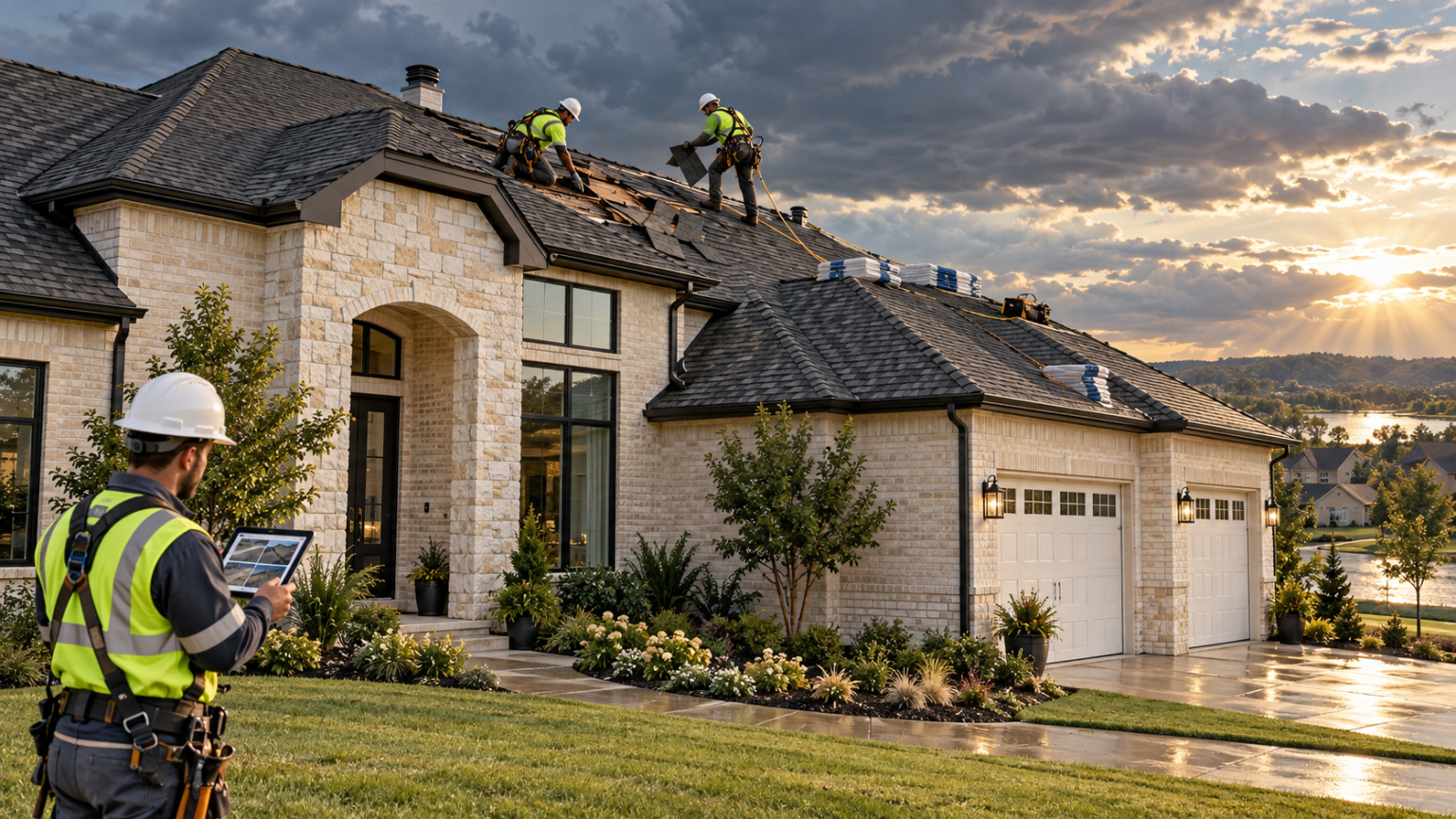
Texas homeowners understand how quickly severe weather can create unexpected problems. A powerful thunderstorm may loosen shingles, strong winds can damage flashing, and large hailstones may affect roofing materials even when the damage is not immediately obvious. When a roof begins leaking or a tree falls onto a building, waiting several days for an inspection may allow water damage to spread. This is why finding reliable Roofing Contractors Available 24/7 in Texas can be an important part of protecting a home or commercial property during an unexpected roofing emergency.
A damaged roof affects more than the exterior appearance of a building. Water intrusion can damage insulation, ceilings, drywall, electrical equipment, furnishings, and stored belongings.
In serious situations, roof damage may also involve structural instability or hazards created by fallen trees and power lines.
Emergency roofing services are intended to help property owners assess urgent problems, arrange appropriate temporary protection, and plan repairs once conditions are safe.
However, 24-hour availability should not be confused with a guarantee that permanent roofing work can begin immediately.
Severe weather, darkness, unsafe roof conditions, and the availability of materials can affect the timing of an onsite response.
A responsible roofing company will consider worker safety, the condition of the property, and the nature of the damage before deciding how work should proceed.
This guide explores seven important reasons to consider emergency roofing support in Texas, explains common roofing emergencies, and provides practical advice for choosing qualified contractors and navigating storm-related insurance claims.
What Are Roofing Contractors Available 24/7 in Texas?
Roofing contractors offering 24/7 services advertise a way for customers to request urgent assistance outside standard business hours.
Depending on the company and circumstances, this may include emergency calls, damage assessment, temporary weather protection, roof leak investigation, or arrangements for follow-up repairs.
The exact services vary between contractors.
Some companies maintain dedicated emergency crews, while others provide an after-hours contact system and schedule onsite work when conditions permit.
Before relying on any provider, ask what its emergency service actually includes.
What Counts as a Roofing Emergency?
A roofing emergency is a problem requiring prompt attention because further damage or a safety hazard may develop if the condition remains unaddressed.
Common examples include significant water entering the home, extensive wind damage, fallen-tree damage, missing roof sections, and compromised roofing around important building components.
Not every roof defect requires an immediate nighttime visit.
A minor cosmetic issue may be suitable for a scheduled inspection.
The urgency depends on the extent of the damage and the risks involved.
Why Texas Properties Face Roofing Challenges
Texas includes several distinct climate regions.
North Texas regularly experiences severe thunderstorms and hail.
Central Texas can experience strong storms, intense sunlight, and heavy rainfall.
Coastal areas may face tropical storms, hurricanes, and additional wind-related building requirements.
These conditions influence roofing design, materials, maintenance, and emergency preparedness.
The most appropriate repair method depends on the actual roofing system and location.
1. Emergency Roofing Contractors Help Limit Water Intrusion
One of the main reasons property owners seek urgent roofing assistance is an active leak.
Water entering through a damaged roof can travel through several layers of a building before becoming visible.
Why Roof Leaks Require Attention
A leak may begin around damaged flashing, missing shingles, roof penetrations, or deteriorated seams.
Water can follow structural members and enter a room some distance from its original entry point.
This means an interior ceiling stain does not necessarily identify the exact location of the roof defect.
A qualified roofer may need to inspect surrounding roof components to determine the likely source.
What to Do When Water Enters Your Home
If it is safe, move valuable belongings away from the affected area.
Use containers to collect dripping water, and protect furniture or flooring where practical.
Avoid touching wet electrical fixtures, outlets, or equipment.
If water is entering near electrical components, keep clear and seek qualified assistance.
A visibly sagging ceiling may indicate accumulated water or compromised materials.
Do not stand beneath an unstable ceiling or attempt to puncture it.
Temporary Weather Protection
Emergency contractors may use suitable temporary methods to reduce water intrusion until permanent repairs can be performed.
These may include professionally installed coverings or other protective measures appropriate to the damage.
Temporary work must be carried out safely and should be documented.
Why Temporary Repairs Are Not Permanent Solutions
A covering may reduce immediate rain exposure without addressing the underlying defect.
Water-damaged decking, deteriorated flashing, or displaced roofing materials may still require repair or replacement.
A follow-up inspection helps determine the permanent scope of work.
Protecting Interior Materials
If moisture enters the building, affected materials may need drying or further investigation.
The extent of damage depends on how much water entered, how long materials remained wet, and the building’s construction.
Prompt attention may reduce additional damage, but it does not guarantee that all affected materials can be saved.
2. Roofing Contractors Available 24/7 in Texas Support Storm Damage Response
Severe storms can cause different kinds of roof damage.
Some defects are clearly visible from the ground.
Others require a professional inspection.
Wind Damage to Shingles
Strong winds can lift or displace asphalt shingles.
Once sections of the roof covering are damaged, the underlying system may become more vulnerable to rain.
Wind can also affect ridge caps, flashing, vents, and other roof details.
A contractor should evaluate the complete affected area rather than replacing only the most visibly damaged component without further assessment.
Hail Damage
Hail can affect roofing materials in different ways.
Asphalt shingles may experience impact-related damage, while metal roofing can show denting.
The significance of the damage depends on factors such as material type, impact severity, and roof condition.
Not every visible mark proves that a roof requires replacement.
A professional assessment should distinguish cosmetic effects from functional damage.
Fallen Trees and Branches
Trees can damage shingles, decking, roof framing, gutters, and other building components.
A large fallen tree may create structural hazards.
If a tree is resting on the roof, avoid attempting to remove it yourself.
Specialist tree services and structural professionals may be needed before roofing repairs can begin.
Debris and Roof Penetrations
Windblown objects can damage roof coverings or vulnerable details around vents and skylights.
Penetrations require careful inspection because poor sealing can create recurring leaks.
Post-Storm Roof Inspections
A professional inspection can document visible defects and identify whether temporary protection or further investigation is needed.
Property owners should also examine accessible areas from the ground.
Do not climb onto a storm-damaged roof to search for hail impacts or missing shingles.
Why Immediate Response Still Depends on Safety
Roofing work during lightning, strong winds, or dangerous conditions can place workers at serious risk.
A company may accept an emergency call at any hour while delaying roof access until conditions are safe.
This is responsible risk management, not necessarily a failure to provide emergency service.
3. Emergency Roof Inspections Help Identify Hidden Damage
Not every roofing problem is obvious.
A building may appear undamaged from the street while having issues around flashing, drainage components, or roof-mounted equipment.
What a Professional Roof Inspection May Include
An appropriate inspection may examine roof covering materials, flashing, penetrations, drainage features, and accessible structural elements.
The exact process depends on the roof type and safe access.
Some contractors may use photographic documentation or other suitable inspection methods.
Inspecting Asphalt Shingle Roofs
Asphalt shingles are common on Texas homes.
An inspection may focus on displaced shingles, damaged seal strips, exposed fasteners, and vulnerable roof details.
The overall condition and age of the roof also matter.
Inspecting Metal Roofs
Metal roofing systems may include standing-seam panels, exposed-fastener panels, or other configurations.
Important inspection areas can include seams, flashing, fasteners, and signs of corrosion or movement.
Repair methods must be compatible with the specific system.
Inspecting Commercial Flat Roofs
Many commercial buildings use low-slope membranes.
Problems may occur at seams, penetrations, drainage points, and transitions to walls or mechanical equipment.
Standing water can also indicate a drainage concern.
The suitability of a repair depends on the membrane material and its condition.
Documenting Conditions for Future Decisions
Photographs, inspection notes, and written findings can help establish what was observed.
This information supports discussions about the repair scope, cost, and possible insurance claims.
Documentation should accurately describe the damage without exaggeration.
Understanding Inspection Limitations
A roof inspection may not reveal every concealed problem.
Water-damaged decking or insulation may require additional investigation.
Homeowners should ask whether the contractor’s conclusions are based on visible observations or confirmed findings.
4. Experienced Texas Roofers Can Recommend Repair or Replacement
One of the most important decisions after roof damage is whether to repair the affected area or replace a larger portion of the roofing system.
The right answer depends on the actual condition of the roof.
When a Repair May Be Appropriate
A localized defect may be repairable when the surrounding materials remain in suitable condition.
Examples could include a limited section of damaged shingles or a specific flashing problem.
The contractor must assess material compatibility and the likelihood that the repair will remain effective.
When Replacement Deserves Consideration
A more extensive replacement may be appropriate when damage is widespread, materials have deteriorated significantly, or the roof can no longer be restored reliably through localized repairs.
However, roof age alone does not automatically establish that replacement is necessary.
The condition of the system should be assessed.
Asphalt Shingle Roofing
Asphalt shingles are available in different constructions and performance categories.
The selected product should suit the roof design, local requirements, and expected weather exposure.
Installation details are just as important as product selection.
Metal Roofing
Metal roofing can provide a different appearance and performance profile.
Design and installation must account for fastening, thermal movement, flashing, drainage, and appropriate corrosion protection.
A metal roof should not be assumed immune to hail or wind damage.
Commercial Membrane Roofing
Commercial buildings may use systems such as TPO, PVC, EPDM, or built-up roofing.
These materials require different installation and repair techniques.
A contractor experienced with one system is not automatically qualified to perform every type of commercial roof repair.
Understanding Long-Term Costs
A lower-cost repair may be suitable when the roof is otherwise sound.
Repeated small repairs on a severely deteriorated system may become less economical.
Homeowners should compare the expected service life, scope of work, warranty terms, and total project cost.
A reputable contractor should explain why a particular option is being recommended.
5. Local Roofing Experience Matters in Texas Weather Conditions
Roofing requirements differ by climate, geography, property type, and applicable building codes.
Local experience can be valuable when evaluating these factors.
Dallas–Fort Worth Roofing Conditions
North Texas properties regularly face severe thunderstorms and hail events.
Contractors working in the Dallas–Fort Worth region may be familiar with common damage patterns affecting residential shingles and commercial roof systems.
However, experience should be evaluated through references and evidence of relevant projects.
Austin and Central Texas
Central Texas roofs may experience intense heat, storms, heavy rain, and seasonal temperature variation.
Proper roof ventilation, drainage, flashing, and material selection are important considerations.
The correct approach depends on the building.
Coastal Texas
Coastal properties can face greater exposure to tropical cyclone winds and wind-driven rain.
Some locations are subject to additional requirements under the Texas Department of Insurance Windstorm Inspection Program.
These requirements do not automatically apply to every Texas property.
Windstorm Compliance
In designated coastal areas, certain roof replacements and major repairs may require inspection and certification for eligibility for windstorm insurance through the Texas Windstorm Insurance Association.
For relevant projects beginning April 1, 2026, Texas adopted the 2024 International Residential Code or 2024 International Building Code as part of the applicable windstorm certification framework.
Property owners should confirm the requirements for their address and project.
Local Permits and Building Codes
A contractor should understand the permits and inspections required by the relevant city or jurisdiction.
Requirements may differ between municipalities.
Never assume a permit is unnecessary simply because the project is described as a repair.
Service Area Matters
A contractor advertising emergency services across a large region may have different travel times for different addresses.
Before choosing a company, ask whether it serves your property and whether an onsite crew is available.
6. Emergency Roofing Contractors Can Provide Useful Damage Documentation
When roof damage may involve an insurance claim, clear documentation is important.
However, Texas law establishes specific limits on what a roofing contractor can do in the insurance process.
Document the Damage Early
Take photographs or videos from safe locations.
Record the date of the storm and describe visible effects such as damaged gutters, missing shingles, or interior leaks.
Keep receipts for emergency protective work.
The Texas Department of Insurance recommends documenting storm damage and contacting the insurer promptly.
Contact Your Insurance Company
Your insurance company determines coverage under the policy.
A roofing contractor can provide information about the physical damage and the estimated repair work.
The insurer or its adjuster may inspect the property before deciding the amount payable.
Understand Replacement Cost and Actual Cash Value
Roof insurance coverage can vary.
Replacement cost coverage generally considers the cost of repairing or replacing covered property under the policy terms.
Actual cash value coverage accounts for depreciation and may result in a lower payment.
Coverage also depends on deductibles, exclusions, and other conditions.
Review Wind and Hail Deductibles
Some Texas homeowners insurance policies have separate deductibles for wind or hail damage.
These may differ from the deductible applied to other covered losses.
Check your declaration page and discuss uncertainty with your insurer.
Understand the Contractor’s Legal Role
Texas law generally prohibits a contractor from acting as a public insurance adjuster on a property where the contractor provides or may provide contracting services.
A roofer may prepare estimates, document observed conditions, and discuss technical information with an insurer or its adjuster.
But the contractor must not offer to represent the policyholder in negotiating claim settlements or act as the public adjuster for the same property.
This distinction is important when reviewing service advertisements.
Never Accept an Illegal Deductible Waiver
Texas law prohibits contractors from waiving, rebating, or absorbing a property insurance deductible.
A contractor promising a free roof by eliminating the deductible is presenting a serious warning sign.
The homeowner remains responsible for the applicable deductible.
Protect Your Claim Records
Keep inspection reports, correspondence, written quotations, contracts, invoices, and receipts.
Do not sign blank documents or agreements you do not understand.
Accurate records support a clearer claims and repair process.
7. Reliable 24/7 Roofing Services Can Support Long-Term Property Protection
Emergency roofing is usually associated with immediate damage.
However, the follow-up inspection and permanent repair process can also improve understanding of a property’s long-term roofing needs.
Identifying Maintenance Problems
An inspection may reveal clogged drainage areas, deteriorated sealants, loose flashing, or other maintenance concerns.
These findings can help property owners plan appropriate work.
Planning Preventive Inspections
The Texas Department of Insurance recommends routine roof maintenance and periodic professional inspections.
The appropriate inspection schedule depends on roof age, material, condition, and recent weather exposure.
Maintaining Gutters and Drainage
Blocked gutters can contribute to water-related problems around a building.
Keeping drainage systems clear helps water move away from vulnerable areas.
Work at height should be performed safely.
Monitoring Trees Near the Roof
Overhanging or damaged branches may create hazards during storms.
Appropriate tree maintenance can reduce certain risks.
Qualified tree professionals should handle work involving large limbs or nearby power lines.
Retaining Repair Records
A history of inspections and repairs can help future contractors understand work previously completed.
These records may also be useful during property transactions or insurance discussions.
Recognizing Limits of Preventive Work
Maintenance cannot prevent every weather-related problem.
Large hail, tornadoes, hurricanes, and falling trees can cause damage even to well-maintained buildings.
The goal is to reduce avoidable risks and respond appropriately when damage occurs.
Built to Last Roofing: 24/7 Roofing Services in Texas
Built to Last Roofing, also known as BTOL Roofing, advertises residential and commercial roofing services in Texas.
Its published service pages identify Dallas and Austin as office locations and describe services in surrounding communities.
The company advertises 24/7 emergency response, roof inspections, leak repairs, storm and hail damage services, and roof replacement.
These details come from the company’s published website information.
Actual availability, qualifications, prices, and response times should be confirmed directly before hiring.
Dallas–Fort Worth Service Area
The company lists roofing services in Dallas and surrounding communities, including Plano, Arlington, Irving, Garland, Richardson, Carrollton, Grand Prairie, and Mesquite.
Its Dallas-area services include residential roof repairs, commercial roofing, storm damage assessment, and replacement projects.
Austin and Central Texas Service Area
The company’s published coverage also includes Austin and surrounding communities such as Round Rock, Cedar Park, Pflugerville, Georgetown, Kyle, Leander, San Marcos, and other regional locations.
Individual availability may vary.
Residential Roofing
BTOL describes services for homes involving inspections, leak repairs, storm damage, and roof replacement.
The appropriate service depends on the roof’s condition and the property’s needs.
Commercial Roofing
The company also advertises commercial services for flat roofs, metal roofs, shingles, and selected membrane systems.
Commercial roofing can involve different technical requirements from residential work, particularly around drainage, access, and building operations.
Emergency Roofing
BTOL advertises around-the-clock emergency support on its Dallas and Austin service pages.
This indicates an advertised emergency contact service, not independently verified real-time crew availability.
Homeowners should confirm dispatch arrangements for their specific address.
Free Inspection Claims
The company’s published pages advertise complimentary roof inspections or assessments for selected services.
Confirm that the inspection is available for the particular property and ask whether any additional diagnostic or emergency service fees apply.
What Customers Should Verify
Before hiring, ask for a current written estimate, proof of applicable insurance, relevant trade credentials, project references, warranty terms, and details of the work proposed.
Texas does not require a general state-issued roofing contractor license.
Consequently, a company’s reference to being licensed should be clarified to identify the exact credential or local requirement involved.
What to Do Immediately After Severe Roof Damage
A roofing emergency can feel overwhelming, especially during heavy rain or at night.
A practical response begins with personal safety.
Step 1: Stay Away From Dangerous Areas
Do not enter areas beneath a visibly unstable roof or ceiling.
Stay clear of fallen power lines, damaged electrical equipment, and fallen trees.
If people are in immediate danger, contact emergency services.
Step 2: Avoid Climbing Onto the Roof
Storm-damaged roofs may be slippery, unstable, or affected by hidden structural problems.
A homeowner should not climb onto the roof to inspect damage or install a temporary covering.
Step 3: Protect Belongings Where Safe
Move furniture, electronics, and other belongings away from water if the area is safe.
Collect dripping water where practical.
Avoid contact with wet electrical equipment.
Step 4: Document Visible Damage
Take photographs from the ground or another safe location.
Record interior stains, damaged ceilings, fallen debris, and other visible issues.
Step 5: Contact Your Insurer
Report the damage as soon as reasonably possible.
Ask about claim procedures, documentation, and temporary repairs.
Step 6: Contact an Emergency Roofer
Explain the location, type of roof, visible damage, and urgency.
Ask whether a crew is available and what protective work can be performed safely.
Step 7: Keep Receipts and Written Records
Save records of temporary repairs and other relevant expenses.
This information may be useful for future claims or repair planning.
Step 8: Schedule Permanent Repairs
Once the immediate risk has been addressed, obtain a proper inspection and detailed repair proposal.
Avoid authorizing major permanent work without understanding the scope and any relevant insurance requirements.
How to Choose a Trustworthy Roofing Contractor in Texas
An emergency should not prevent homeowners from checking a contractor’s qualifications.
After major storms, dishonest operators sometimes approach affected properties with urgent sales offers.
The Texas Department of Insurance advises property owners to use local contractors where possible, check references, obtain written bids, and carefully review agreements.
Confirm the Business Identity
Ask for the company’s legal business name, physical address, and reliable contact details.
Verify Insurance
Request evidence of relevant contractor insurance.
Confirm the coverage with the insurer when necessary.
Workers’ compensation arrangements and other coverage should be reviewed according to the project and applicable requirements.
Ask About Relevant Experience
A contractor experienced in asphalt shingle roofs may not have the same expertise with specialised commercial membranes or metal roofing systems.
Ask for examples of similar completed projects.
Understand Voluntary Roofing Credentials
The Roofing Contractors Association of Texas operates a voluntary roofing contractor licensing program.
This is an industry credential, not a mandatory Texas state-issued roofing license.
If a company cites voluntary credentials, verify them with the issuing organisation.
Get Written Quotes
A proposal should describe the materials, work scope, costs, payment terms, and expected schedule.
After an emergency, temporary protection may need to be arranged quickly.
Even then, request written documentation of the agreed service.
Review Warranties
Ask which materials carry manufacturer warranties and what workmanship coverage the contractor provides.
Warranty terms should be supplied in writing.
Avoid Pressure Tactics
Do not sign incomplete contracts.
Be wary of demands for large immediate payments or claims that you must decide before speaking with your insurer.
How Much Does Emergency Roof Repair Cost in Texas?
Emergency roof repair costs vary significantly.
The type of damage, roof system, accessibility, weather conditions, material requirements, and amount of work all influence the price.
Small Localized Repairs
A limited defect may require replacement materials or flashing work.
Even small repairs can involve inspection, setup, and safe access costs.
Temporary Weather Protection
Emergency protective work may be billed separately from permanent repairs.
Ask whether the initial visit, temporary covering, and subsequent repair are included in the same quote.
Storm Damage Repair
Hail and wind damage can affect several roofing components.
The final cost depends on what must be repaired or replaced.
Full Roof Replacement
Replacement pricing depends on roof area, pitch, material, underlayment, flashing, decking condition, ventilation, labor, and disposal.
Structural repairs or unusual access requirements can add costs.
Commercial Roof Repair
Commercial projects may involve specialised membranes, roof-mounted equipment, insulation, and drainage systems.
A commercial estimate should account for the specific roof system and building operations.
Avoid Unsupported Price Promises
There is no single accurate statewide price for every emergency roofing project.
An onsite assessment and written scope provide a better basis for evaluating the cost.
Compare estimates using the same materials and work requirements.
Residential vs. Commercial Roofing Emergencies
The response needed for a home can differ from the requirements of an occupied commercial building.
Residential Properties
Homeowners usually prioritise safety, protection of interiors, and restoration of normal living conditions.
Damage may affect bedrooms, attic insulation, ceilings, and electrical fixtures.
Commercial Buildings
Businesses may need to protect merchandise, equipment, tenants, and employees.
A roof leak can also interrupt operations.
Commercial property owners should coordinate emergency work with site safety and operational requirements.
Multi-Family Buildings
Apartment complexes and other multi-family properties introduce additional concerns involving multiple occupants.
Property managers may need to coordinate access, safety notices, and repairs across several units.
Industrial Facilities
Industrial buildings may contain specialised roofing systems, large spans, rooftop mechanical equipment, and operational hazards.
Repairs may require additional planning and technical expertise.
Documentation for Property Managers
Property managers should maintain clear records of inspections, temporary protective work, contractor communications, and completed repairs.
This supports ongoing maintenance and accountability.
Preparing Your Texas Roof Before the Next Storm
Roof maintenance is most effective when performed before an emergency.
Arrange Periodic Inspections
An experienced inspector may identify loose or deteriorated components that require attention.
Maintain Drainage
Keep gutters and roof drainage features in suitable condition.
Check Nearby Trees
Arrange appropriate maintenance when branches pose a foreseeable risk.
Review Roofing Materials
If replacement is already being considered, ask about materials with relevant wind, hail, or fire performance characteristics.
Insurance discounts may be available for certain qualifying products, depending on the insurer.
Understand Your Insurance Policy
Review roof coverage, exclusions, deductibles, and any applicable windstorm provisions.
Keep Emergency Contacts Accessible
Save the details of your insurance company and roofing contractors you have evaluated.
Confirm how each contractor handles after-hours requests.
Document the Roof’s Existing Condition
Photographs and inspection records can help establish the roof’s condition before a future storm.
Good documentation is valuable even when no damage occurs.
Frequently Asked Questions
1. Are roofing contractors available 24/7 in Texas?
Some Texas roofing companies advertise around-the-clock emergency support. Built to Last Roofing advertises 24/7 roofing assistance in its service areas, but actual crew availability and arrival times should be confirmed directly.
2. What should I do first when my roof starts leaking during a storm?
Move away from electrical hazards or unstable ceilings, protect belongings where safe, document visible damage, and contact your insurer and an emergency roofing contractor. Do not climb onto the roof.
3. Can an emergency roofer repair storm damage at night?
Some temporary protective work may be possible after hours, depending on conditions. Dangerous weather or unsafe roof access may require onsite work to be postponed until it can be completed safely.
4. Does homeowners insurance cover emergency roof repairs in Texas?
Coverage depends on the cause of damage and policy terms. Covered wind or hail damage may qualify, while ordinary wear and deterioration are typically treated differently. Review your policy and contact your insurer.
5. Do roofing contractors need a state license in Texas?
Texas does not currently require a general state-issued roofing contractor license. Homeowners should verify insurance, references, relevant experience, any local requirements, and voluntary credentials.
6. How do I find reliable Roofing Contractors Available 24/7 in Texas?
Choose companies that confirm service in your area, explain their emergency response arrangements, provide written estimates, document damage clearly, maintain appropriate insurance, and follow Texas insurance and contractor rules.
Conclusion
Roofing Contractors Available 24/7 in Texas can provide an important point of contact when storms, roof leaks, or falling debris threaten a property. Emergency roofing support helps homeowners arrange inspections, temporary protection, and appropriate permanent repairs while keeping safety first. Companies such as Built to Last Roofing advertise services across the Dallas and Austin regions, although current availability should always be confirmed. By documenting damage, understanding insurance requirements, and carefully selecting a contractor, Texas property owners can respond more confidently when roofing emergencies occur.
