
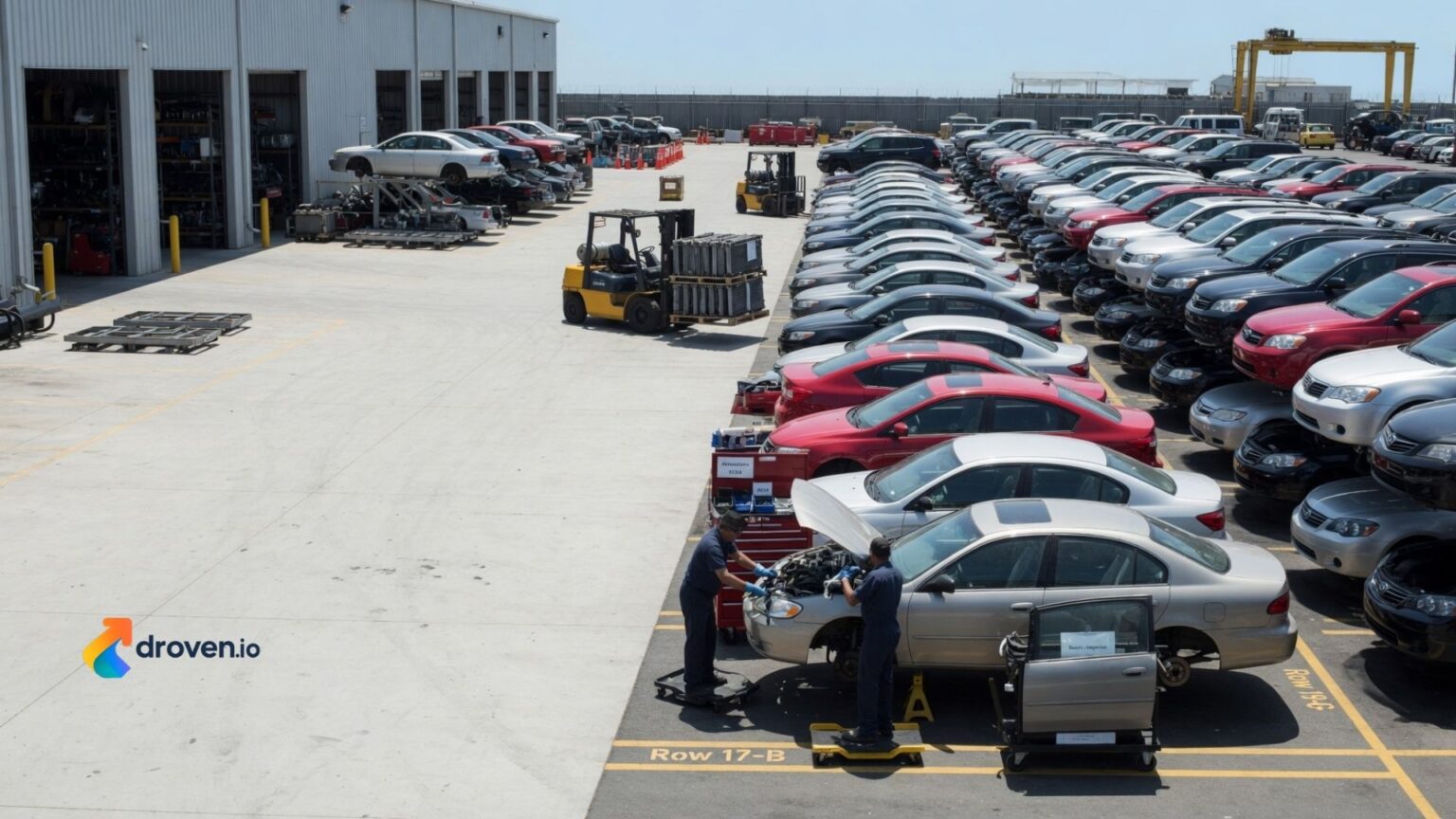
When a vehicle reaches the end of its useful life, many of its components can still be reused, repaired, or recycled. That’s where salvage yards play an important role. These facilities help recover valuable automotive parts, reduce waste, and provide drivers with affordable alternatives to buying new replacement components.
Whether you’re repairing a damaged vehicle, restoring a classic car, or looking for hard-to-find parts, salvage yards offer practical solutions while supporting environmental sustainability. This guide explains how salvage yards work, their benefits, what you can expect when visiting one, and how to choose quality used auto parts.
What Are Salvage Yards?
Salvage yards are facilities that collect vehicles that are no longer roadworthy or have been damaged in accidents. Before these vehicles are recycled, technicians inspect and remove reusable parts that can be sold for future repairs.
Depending on the condition of each vehicle, salvage yards may recover:
- Engines
- Transmissions
- Alternators
- Starters
- Doors
- Mirrors
- Headlights
- Tail lights
- Wheels
- Tires
- Radiators
- Interior components
- Body panels
After reusable parts are removed, the remaining materials are often recycled according to local environmental regulations.
How Salvage Yards Work
The process begins when vehicles arrive from insurance companies, dealerships, towing companies, auctions, or private owners.
The general process includes:
Vehicle Inspection
Staff evaluate the vehicle to determine which components can be safely reused.
Parts Removal
Usable parts are carefully removed using specialized tools and equipment.
Testing and Inspection
Some salvage yards inspect or test certain components before making them available for sale. The inspection process varies by facility and part type.
Inventory Management
Recovered parts are cataloged so customers can search by vehicle make, model, year, or part number.
Recycling Remaining Materials
Once reusable components are removed, metals, plastics, glass, and other materials are sent for recycling whenever possible.
Why Choose Salvage Yards?
Many vehicle owners choose salvage yards because they offer both economic and environmental advantages.
Some of the key benefits include:
- Lower replacement part costs
- Access to discontinued components
- Reduced automotive waste
- Support for vehicle recycling
- Availability of original equipment manufacturer (OEM) parts
- Environmentally responsible resource recovery
These advantages make salvage yards valuable for both consumers and the automotive industry.
Common Auto Parts Available at Salvage Yards
Many components remain in excellent condition even after a vehicle has been retired.
Engines and Transmissions
Low-mileage engines and transmissions are often available from vehicles involved in non-mechanical accidents.
Before purchasing, ask whether the part has been inspected and if any warranty is available.
Body Panels
Doors, bumpers, fenders, hoods, and trunk lids may provide cost-effective solutions for collision repairs.
Matching paint colors may also reduce refinishing costs.
Electrical Components
Salvage yards frequently stock:
- Alternators
- Starters
- Window motors
- Wiring harnesses
- Electronic control modules
- Switches
Compatibility should always be confirmed before installation.
Interior Parts
Customers often purchase:
- Seats
- Dashboard components
- Center consoles
- Door panels
- Seat belts
- Interior trim
These parts can help restore older vehicles without purchasing expensive new replacements.
Environmental Benefits of Salvage Yards
Vehicle recycling helps reduce waste and conserve valuable resources.
Environmental benefits include:
Reduced Landfill Waste
Recovering usable parts prevents many materials from being discarded unnecessarily.
Metal Recycling
Steel, aluminum, and other metals from retired vehicles can be processed and reused in future manufacturing.
Resource Conservation
Reusing existing automotive parts reduces the demand for manufacturing new components, helping conserve raw materials and energy.
Responsible Disposal
Fluids such as engine oil, coolant, and transmission fluid should be removed and handled according to environmental regulations before recycling.
How to Choose Reliable Salvage Yards
Not all salvage yards operate the same way. Choosing a reputable business helps improve the likelihood of finding quality parts.
Consider the following factors.
Inventory Selection
Larger inventories often provide more options for different vehicle makes and models.
Part Inspection
Ask whether parts are visually inspected or tested before sale.
Warranty Availability
Some salvage yards provide limited warranties on selected components. Warranty terms vary by business.
Customer Service
Knowledgeable staff can help identify compatible replacement parts and answer technical questions.
Organized Inventory
Well-organized facilities usually make locating parts faster and easier.
Tips for Buying Used Auto Parts
Purchasing recycled components can save money, but careful inspection is important.
Follow these best practices:
- Verify the vehicle’s make, model, and year.
- Compare part numbers whenever possible.
- Inspect for visible damage or corrosion.
- Ask about return policies.
- Request warranty information if available.
- Confirm compatibility before installation.
Taking these steps helps reduce the risk of purchasing incorrect parts.
Are Salvage Yard Parts Reliable?
Many recycled auto parts continue to perform well when they are properly inspected and compatible with the vehicle being repaired.
Reliability depends on factors such as:
- Original vehicle condition
- Part wear
- Proper removal procedures
- Storage conditions
- Installation quality
Professional installation may be appropriate for complex components such as engines, transmissions, or electronic systems.
The Future of Vehicle Recycling
As the automotive industry evolves, salvage yards continue to adapt to new technologies and environmental standards.
Emerging trends include:
- Digital parts inventory systems
- Online parts searches
- Improved recycling processes
- Electric vehicle component recovery
- Battery recycling programs
- Sustainable dismantling practices
These developments support greater efficiency while helping reduce environmental impact.
Frequently Asked Questions
What are salvage yards?
Salvage yards are facilities that recover reusable automotive parts from retired or damaged vehicles before recycling the remaining materials.
Are parts from salvage yards safe to use?
Many used parts can be reliable when properly inspected and compatible with the vehicle. Buyers should evaluate part condition and ask about any available warranties.
Can I find OEM parts at salvage yards?
Yes. Many salvage yards sell original equipment manufacturer (OEM) parts removed from vehicles of the same make and model.
Why are salvage yard parts less expensive?
Used parts typically cost less because they have already been manufactured and recovered from existing vehicles, reducing production costs.
Do salvage yards recycle entire vehicles?
After reusable parts are removed, the remaining materials are often processed for recycling according to local environmental regulations.
How do I choose a reputable salvage yard?
Look for organized inventory, knowledgeable staff, inspected parts, clear return policies, and warranty options where available.
Conclusion
Salvage yards provide an affordable and environmentally responsible way to source replacement auto parts while supporting vehicle recycling and resource conservation. From engines and body panels to interior components and electrical systems, recycled parts can help reduce repair costs and extend the life of many vehicles. By choosing a reputable salvage yard, verifying part compatibility, and inspecting components carefully, vehicle owners can make informed purchasing decisions while contributing to more sustainable automotive practices
