
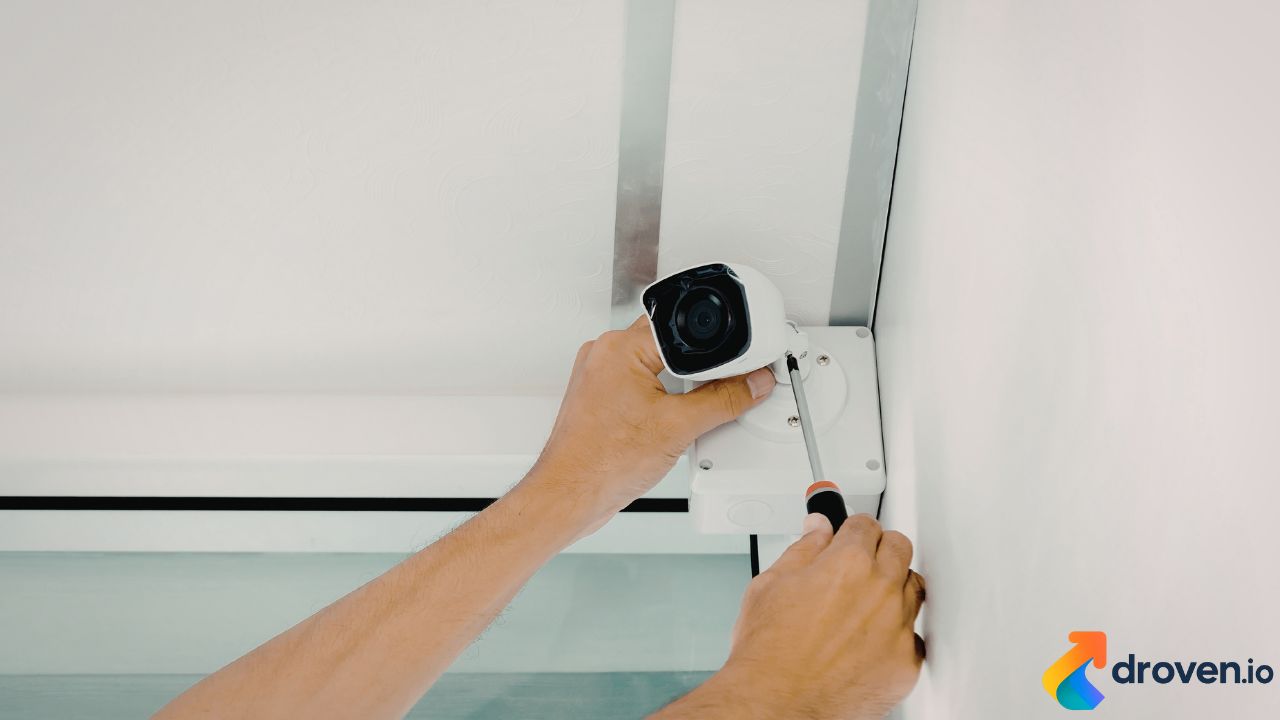
Security has become a major priority for homeowners and businesses alike. As technology advances, surveillance systems are becoming more accessible and effective in preventing theft, monitoring property, and improving overall safety. Security cameras are one of the most common and reliable tools used for modern surveillance.
From small residential setups to advanced commercial monitoring systems, security cameras help property owners keep an eye on their surroundings in real time. They also act as a strong deterrent against potential criminal activity.
What Are Security Cameras?
Security cameras are electronic devices designed to capture video footage of a specific area for monitoring and recording purposes. These cameras can be installed indoors or outdoors and are commonly connected to recording systems or cloud storage.
Modern security cameras often include features such as:
- high-definition video recording
- motion detection alerts
- night vision capabilities
- remote viewing via smartphone apps
- cloud storage or local recording options
These features allow users to monitor their property at any time from virtually anywhere.
Types of Security Cameras
There are several types of security cameras available, each designed for specific monitoring needs.
Dome Cameras
Dome cameras are commonly used indoors and in commercial environments. They are mounted on ceilings and enclosed in dome-shaped housings.
Benefits include:
- discreet appearance
- wide viewing angles
- protection from tampering
Bullet Cameras
Bullet cameras have a cylindrical shape and are typically installed outdoors. They are ideal for monitoring long distances such as driveways or building entrances.
These cameras often include weatherproof designs for outdoor use.
PTZ Cameras (Pan-Tilt-Zoom)
PTZ cameras allow users to control the camera’s direction and zoom remotely. They are often used in large spaces like parking lots or warehouses.
This flexibility allows security teams to monitor multiple areas using a single camera.
Wireless Security Cameras
Wireless cameras connect to Wi-Fi networks, making installation easier and reducing the need for complex wiring.
They are commonly used in smart home security systems.
Indoor and Outdoor Cameras
Indoor cameras monitor activity inside homes or offices, while outdoor cameras are built to withstand weather conditions such as rain, heat, and dust.
Outdoor models often include protective housings and enhanced night vision.
Benefits of Installing Security Cameras
Installing security cameras provides multiple advantages for both homes and businesses.
Crime Deterrence
Visible cameras often discourage criminal activity because potential offenders know they are being recorded.
Remote Monitoring
Many modern systems allow property owners to monitor live video through smartphone applications.
Evidence Collection
If an incident occurs, recorded footage can serve as valuable evidence for investigations.
Increased Peace of Mind
Knowing that a property is being monitored helps homeowners and business owners feel safer.
Employee and Property Monitoring
Businesses often use security cameras to monitor workplace safety and protect company assets.
Key Features to Look for in Security Cameras
When choosing security cameras, several technical features should be considered.
Video Resolution
High-resolution cameras provide clearer images and make it easier to identify individuals or details.
Common resolutions include:
- 1080p (Full HD)
- 2K
- 4K Ultra HD
Night Vision
Night vision technology allows cameras to capture clear footage in low-light or dark environments.
Infrared LEDs are commonly used for this feature.
Motion Detection
Motion detection alerts notify users when movement is detected in a monitored area.
Some systems also allow customizable detection zones.
Storage Options
Security camera footage can be stored in two main ways:
- local storage using DVR or NVR systems,
- cloud-based storage services
Cloud storage allows users to access recordings remotely.
Smart Home Integration
Many cameras integrate with smart home platforms such as voice assistants and home automation systems.
Where Security Cameras Are Commonly Installed
Security cameras can be placed in many locations depending on the surveillance needs.
Common installation areas include:
Home Entrances
Front doors and entryways are among the most important areas to monitor.
Driveways and Garages
Cameras help track vehicle activity and protect parked cars.
Backyards and Side Yards
These areas are often less visible and may require additional monitoring.
Offices and Retail Stores
Businesses install cameras to monitor employees, customers, and inventory.
Parking Lots and Industrial Areas
Large outdoor spaces often require multiple cameras to provide full coverage.
Tips for Effective Camera Placement
Proper placement ensures that security cameras capture useful footage.
Helpful tips include:
- position cameras above eye level
- avoid direct sunlight facing the lens
- ensure wide coverage of entry points
- protect outdoor cameras from weather exposure
Strategic placement improves overall surveillance effectiveness.
Wired vs Wireless Security Systems
Security cameras can be installed using either wired or wireless systems.
Wired Systems
Wired systems connect cameras directly to a central recording device.
Advantages include stable connections and high-quality video transmission.
Wireless Systems
Wireless cameras transmit footage through Wi-Fi networks.
They are easier to install and often used in residential smart home systems.
Each system type has advantages depending on installation needs and property size.
Privacy and Legal Considerations
When installing security cameras, it is important to respect privacy laws and regulations.
Property owners should:
- avoid recording private spaces such as bathrooms
- inform employees if cameras are used in workplaces
- follow local surveillance laws and regulations
Responsible use of security cameras ensures both safety and legal compliance.
The Future of Security Camera Technology
Security technology continues to evolve with advanced features powered by artificial intelligence and smart analytics.
Emerging innovations include:
- facial recognition technology
- AI-based motion detection
- cloud-based video analytics
- integration with smart home security systems
These developments are making surveillance systems more intelligent and effective.
Conclusion
Security cameras play a vital role in protecting homes, businesses, and public spaces. By providing real-time monitoring, crime deterrence, and recorded evidence, these systems improve safety and security in many environments.
With modern technology offering advanced features such as remote access, motion alerts, and high-resolution video, security cameras have become an essential component of modern security systems.
FAQs
What are security cameras used for?
Security cameras monitor and record activity to improve safety and prevent crime.
Do security cameras work at night?
Yes, many cameras include night vision technology that allows them to capture footage in low-light conditions.
Are wireless security cameras reliable?
Wireless cameras are reliable when connected to stable Wi-Fi networks.
How long do security cameras store footage?
Storage duration depends on the system and storage capacity, typically ranging from several days to several weeks.
Can security cameras be monitored remotely?
Yes, many modern systems allow users to view live footage through mobile apps or web platforms.
